

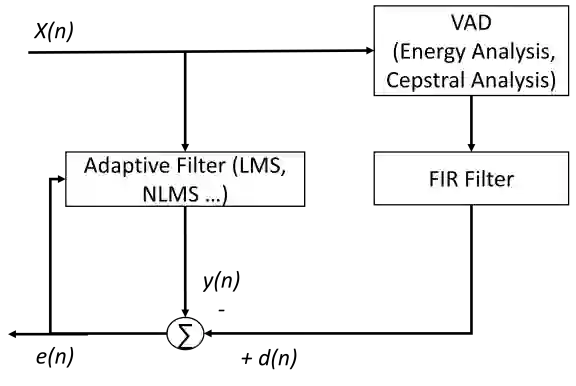
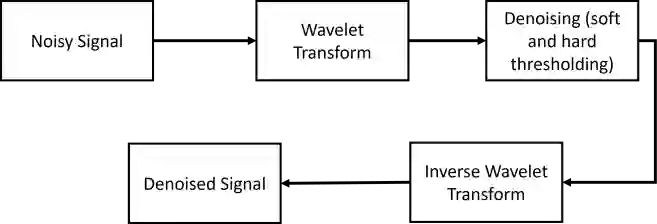
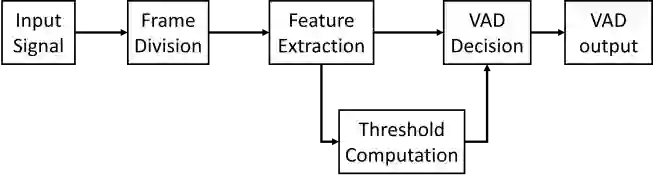
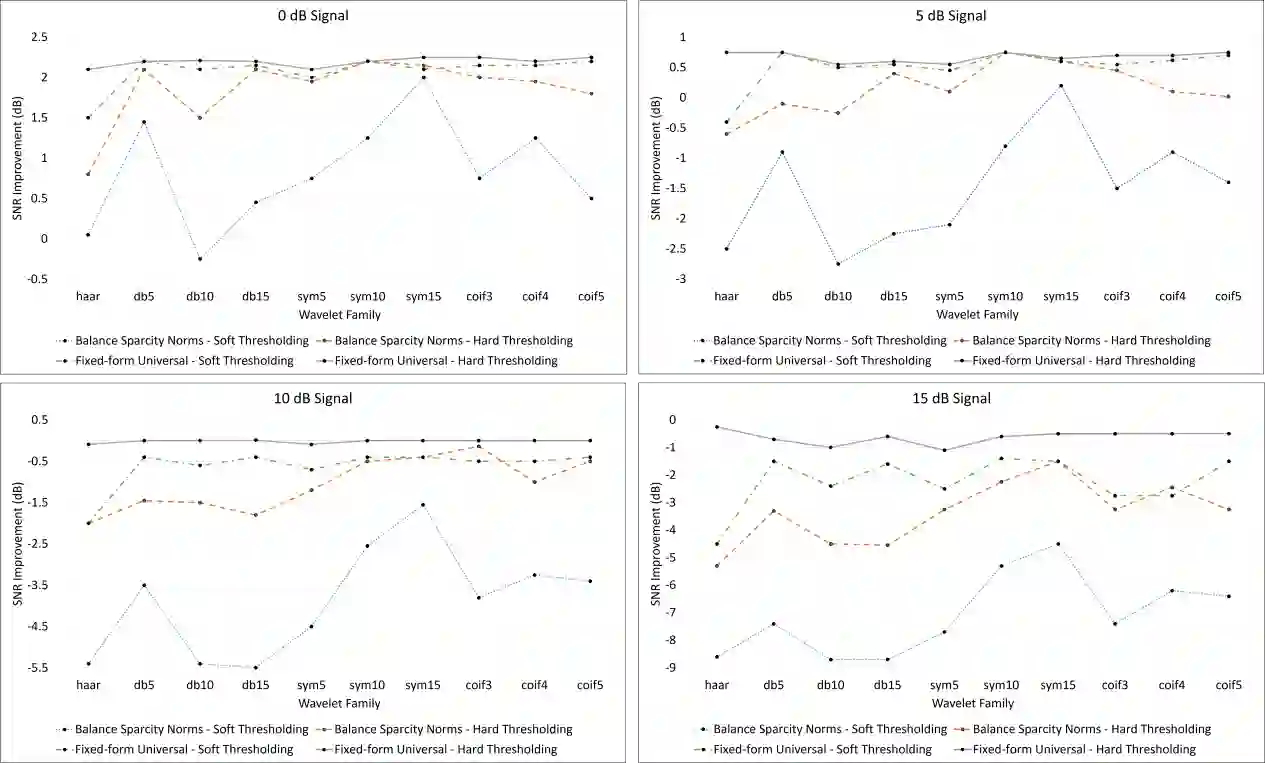
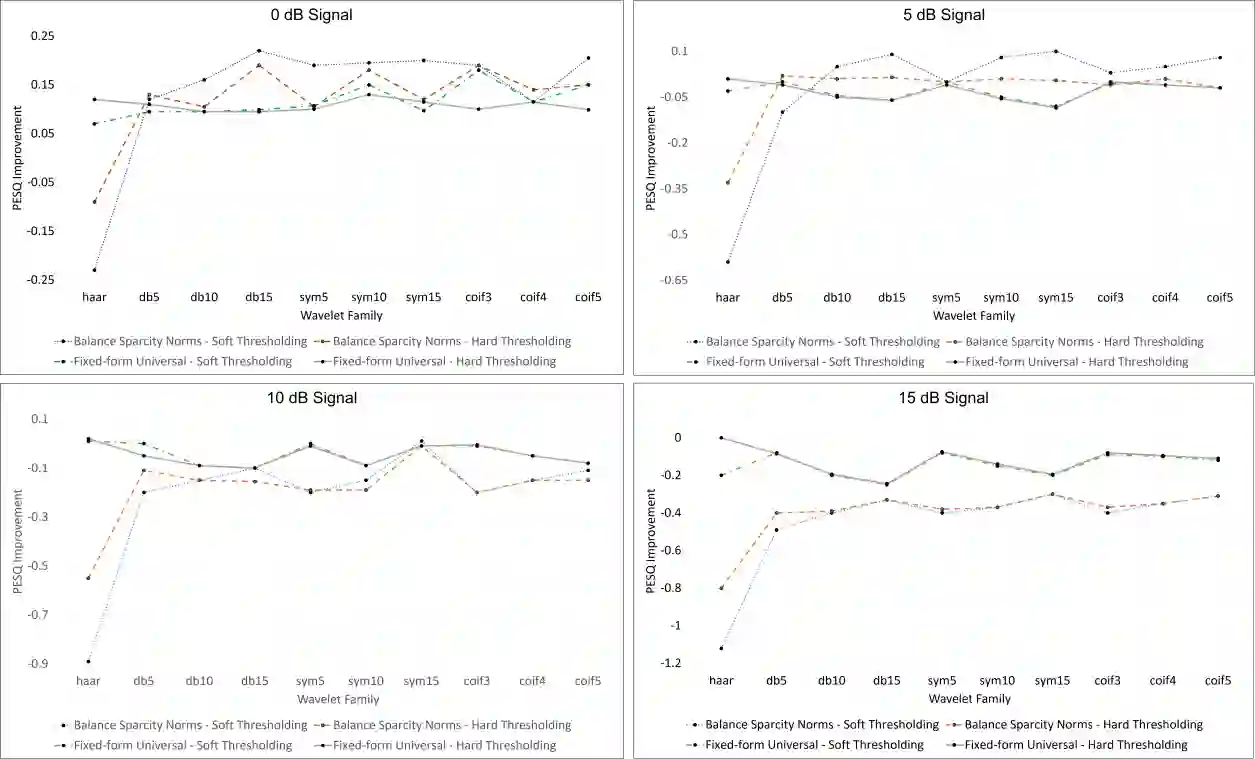
Noise reduction is a crucial aspect of hearing aids, which researchers have been striving to address over the years. However, most existing noise reduction algorithms have primarily been evaluated using English. Considering the linguistic differences between English and Sinhala languages, including variation in syllable structures and vowel duration, it is very important to assess the performance of noise reduction tailored to the Sinhala language. This paper presents a comprehensive analysis between wavelet transformation and adaptive filters for noise reduction in Sinhala languages. We investigate the performance of ten wavelet families with soft and hard thresholding methods against adaptive filters with Normalized Least Mean Square, Least Mean Square Average Normalized Least Mean Square, Recursive Least Square, and Adaptive Filtering Averaging optimization algorithms along with cepstral and energy-based voice activity detection algorithms. The performance evaluation is done using objective metrics; Signal to Noise Ratio (SNR) and Perceptual Evaluation of Speech Quality (PESQ) and a subjective metric; Mean Opinion Score (MOS). A newly recorded Sinhala language audio dataset and the NOIZEUS database by the University of Texas, Dallas were used for the evaluation. Our code is available at https://github.com/ChathukiKet/Evaluation-of-Noise-Reduction-Methods
翻译:噪声抑制是助听器领域的关键问题,也是研究人员长期致力于解决的课题。然而,现有降噪算法大多基于英语进行评估。考虑到英语与僧伽罗语在音节结构和元音时长等方面的语言差异,评估针对僧伽罗语定制的降噪性能具有重要意义。本文对基于小波变换和自适应滤波器的僧伽罗语降噪方法进行了全面分析。我们研究了十种小波族结合软阈值和硬阈值方法与自适应滤波器的性能对比,其中自适应滤波器包括归一化最小均方、最小均方平均归一化最小均方、递归最小二乘及自适应滤波平均优化算法,并联合了倒谱系数与能量检测的语音活动检测算法。性能评估采用客观指标(信噪比SNR和语音质量感知评估PESQ)与主观指标(平均意见分MOS)。评估数据集包括新录制的僧伽罗语音频数据集及德克萨斯大学达拉斯分校提供的NOIZEUS数据库。我们的代码已开源:https://github.com/ChathukiKet/Evaluation-of-Noise-Reduction-Methods




相关内容


 微信扫码咨询专知VIP会员