

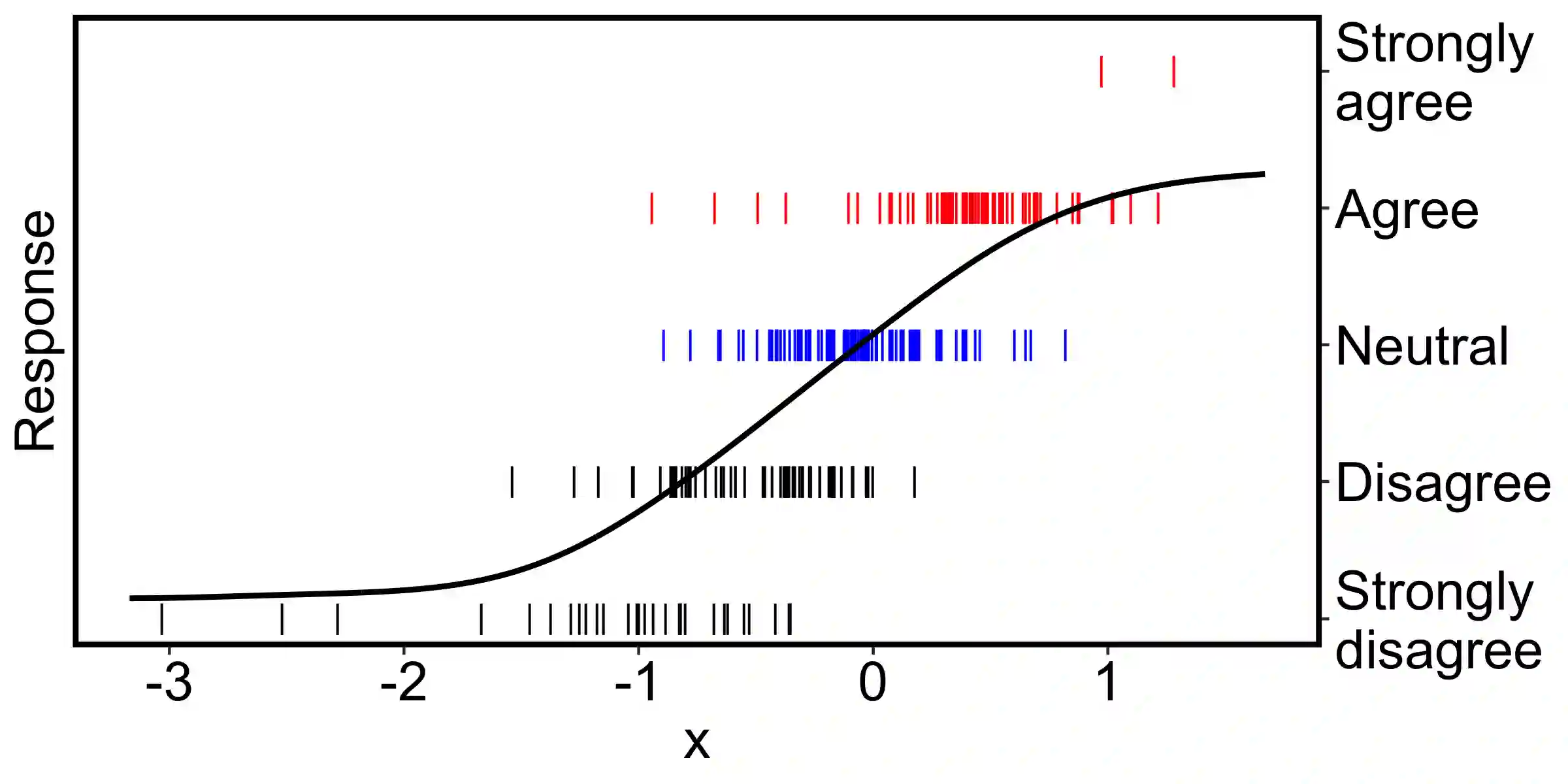
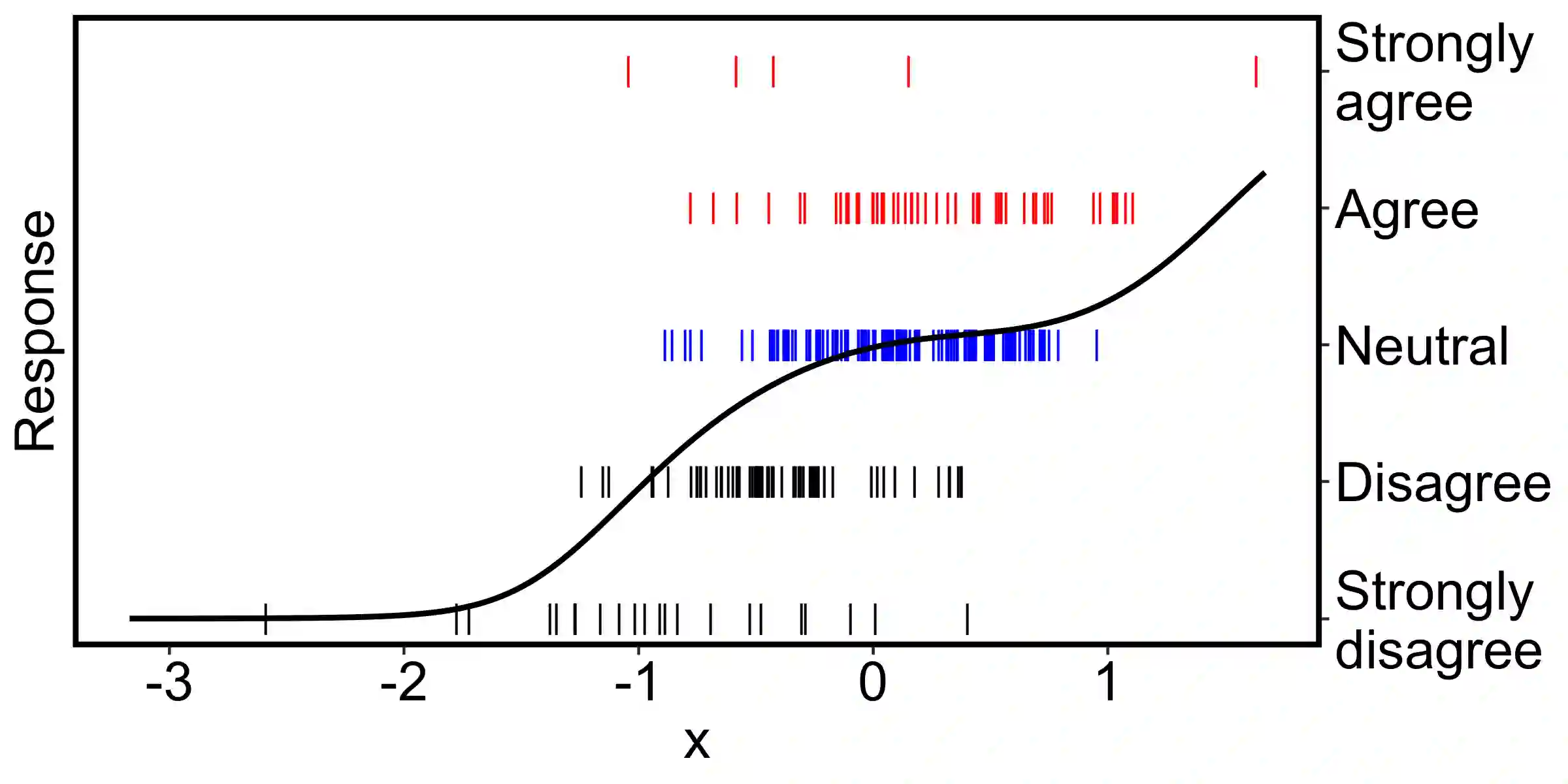
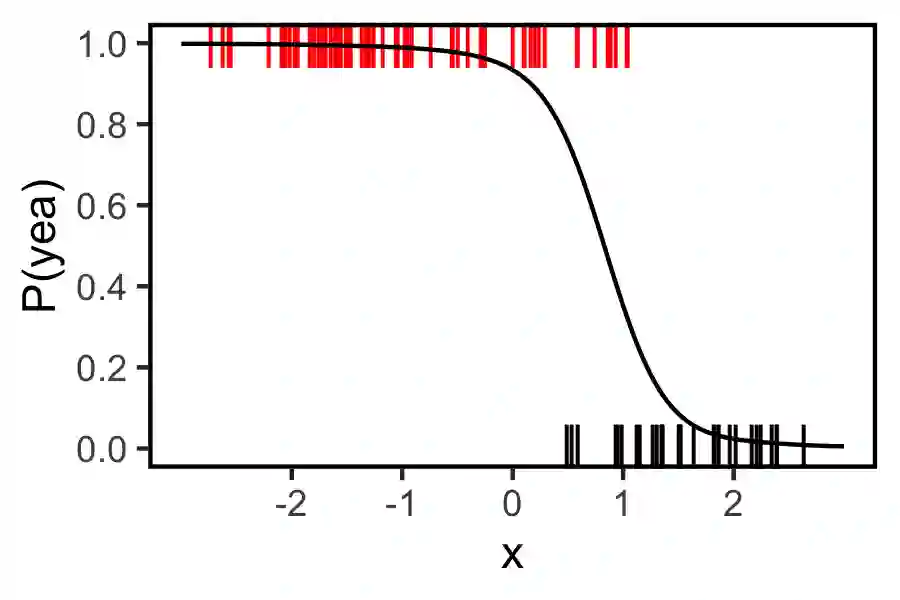
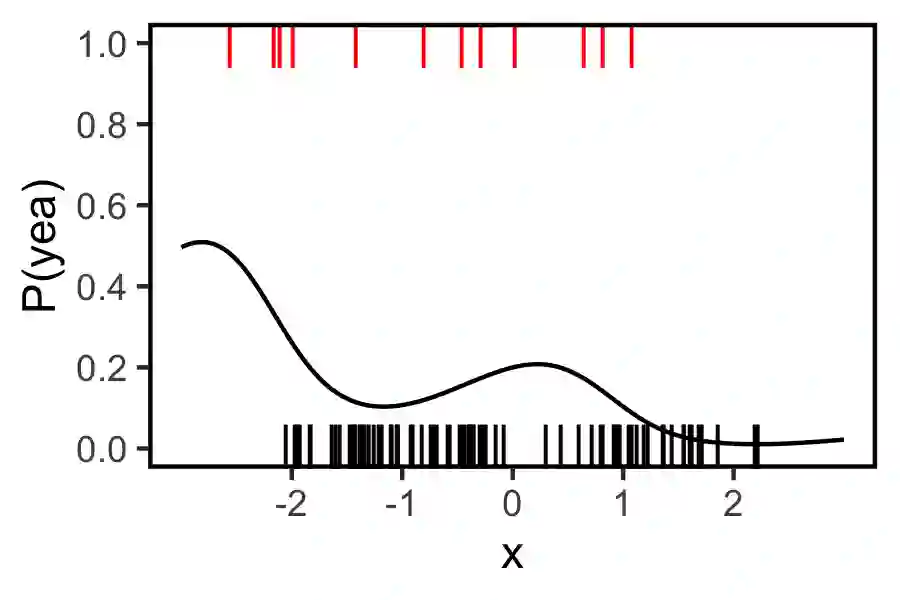
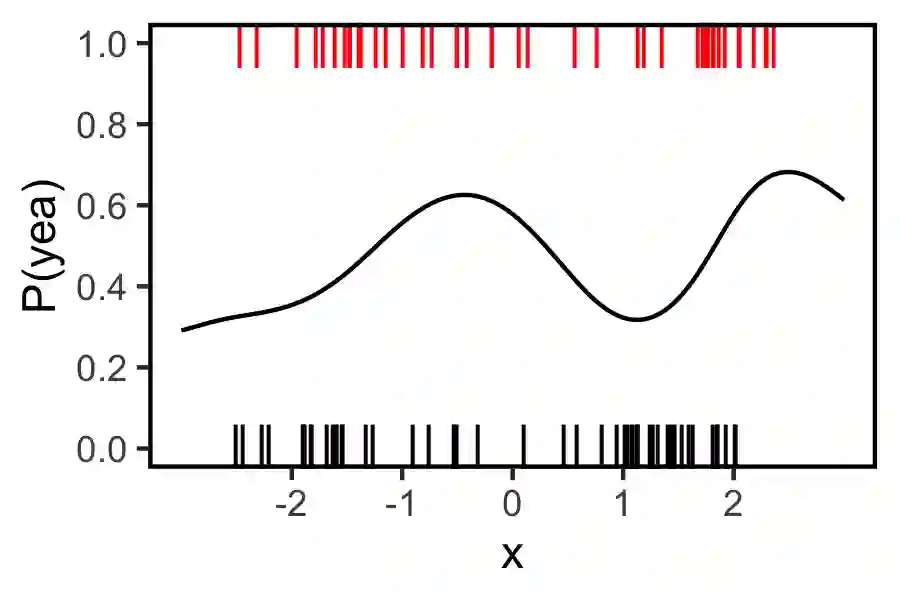
Social scientists are often interested in using ordinal indicators to estimate latent traits that change over time. Frequently, this is done with item response theoretic (IRT) models that describe the relationship between those latent traits and observed indicators. We combine recent advances in Bayesian nonparametric IRT, which makes minimal assumptions on shapes of item response functions, and Gaussian process time series methods to capture dynamic structures in latent traits from longitudinal observations. We propose a generalized dynamic Gaussian process item response theory (GD-GPIRT) as well as a Markov chain Monte Carlo sampling algorithm for estimation of both latent traits and response functions. We evaluate GD-GPIRT in simulation studies against baselines in dynamic IRT, and apply it to various substantive studies, including assessing public opinions on economy environment and congressional ideology related to abortion debate.
翻译:社会科学家常关注利用序数指标来估计随时间变化的潜在特质。通常,这通过项目反应理论(IRT)模型实现,该模型描述了这些潜在特质与观测指标之间的关系。我们结合了贝叶斯非参数IRT的最新进展(对项目反应函数的形态做出最小假设)与高斯过程时间序列方法,以从纵向观测中捕捉潜在特质的动态结构。我们提出了广义动态高斯过程项目反应理论(GD-GPIRT)以及用于估计潜在特质和反应函数的马尔可夫链蒙特卡洛采样算法。我们在模拟研究中将GD-GPIRT与动态IRT的基线方法进行比较评估,并将其应用于多项实证研究,包括评估公众对经济环境的看法以及与堕胎辩论相关的国会意识形态。




相关内容




 微信扫码咨询专知VIP会员