

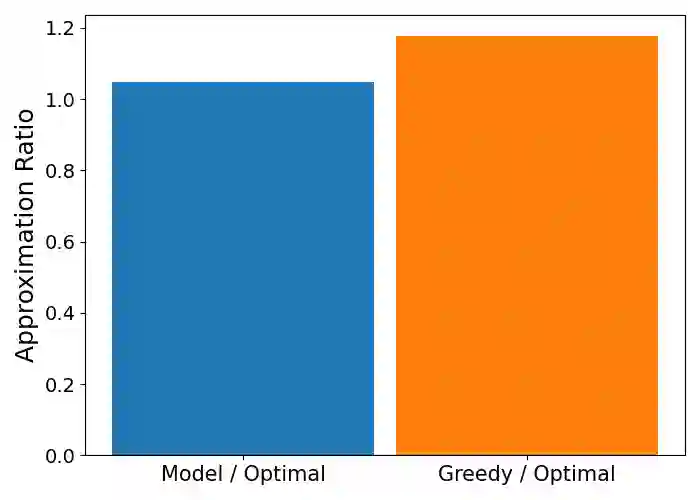
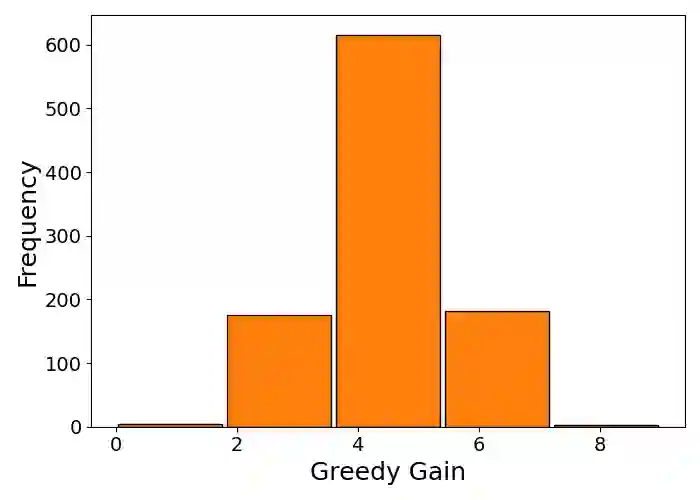
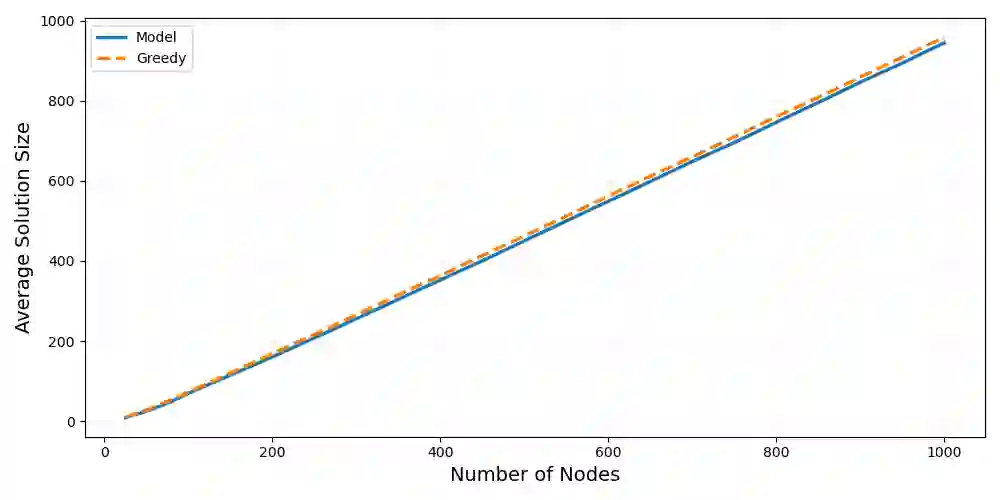
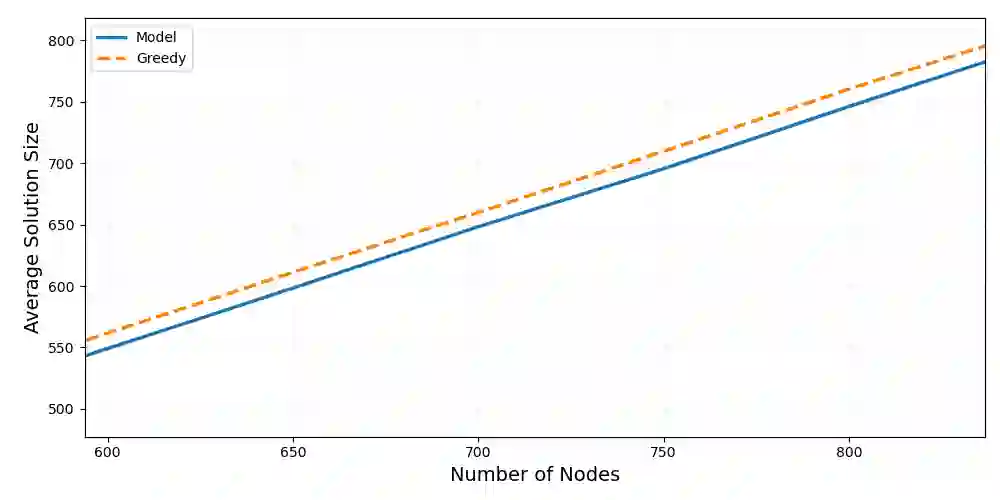
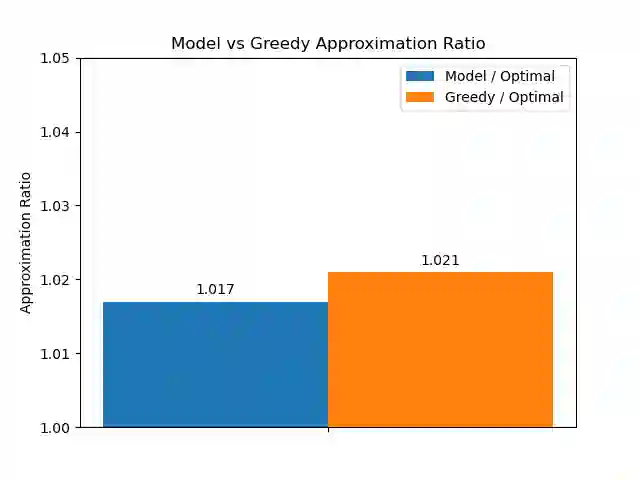
This paper explores the problem of finding the minimum zero-forcing set on undirected graphs and proposes an adapted machine-learning framework to solve the problem. The minimum zero-forcing set problem is a graph coloring problem where the color of an initial set of nodes propagates throughout a network. The set of nodes is zero-forcing if it forces all uncolored nodes to change color under the constraint of the color-change rule. There are several applications to this problem across different domains such as network science, network control, and designing logical circuits. Finding the minimum zero-forcing set is shown to be NP-hard. We propose a reinforcement learning framework, SD-ZFS, that adapts the S2V-DQN architecture to the ZFS problem. We train several models on this adapted framework and analyze the performance across graph datasets that have varying structures. We evaluate how the models trained on the framework generalize, scale, and transfer to different network types. The results demonstrate the effectiveness of the framework when compared against the optimal solution and greedy heuristic. We provide further insight into how the ZFS problem can be solved through machine-learning and the influence of network structure on the problem.
翻译:本文探讨了在无向图中寻找最小零强制集的问题,并提出了一种改进的机器学习框架来解决该问题。最小零强制集问题是一类图着色问题,其中初始节点集合的颜色会通过网络传播。若节点集合在颜色变化规则约束下能迫使所有未着色节点改变颜色,则称该集合为零强制集。该问题在网络科学、网络控制、逻辑电路设计等多个领域具有广泛应用。研究表明,寻找最小零强制集是NP难问题。我们提出了一种强化学习框架SD-ZFS,该框架将S2V-DQN结构适配至零强制集问题。基于该改进框架,我们训练了多个模型,并分析了它们在具有不同结构特性的图数据集上的表现。我们评估了基于该框架训练的模型在不同网络类型上的泛化能力、可扩展性及迁移性能。与最优解和贪心启发式方法的对比结果表明,该框架具有有效性。本文进一步揭示了如何通过机器学习解决零强制集问题,以及网络结构对该问题的影响机制。




相关内容





 微信扫码咨询专知VIP会员