

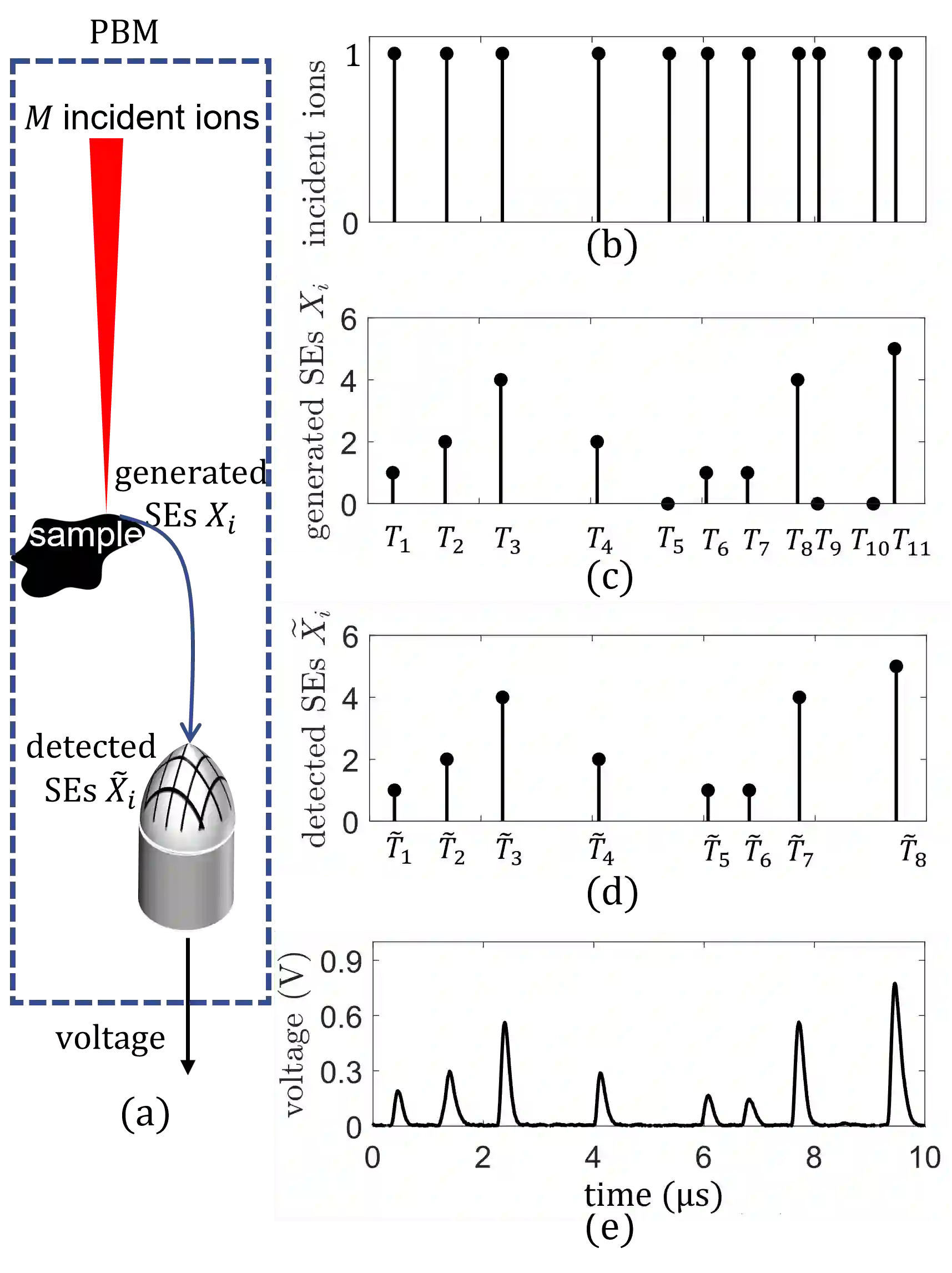
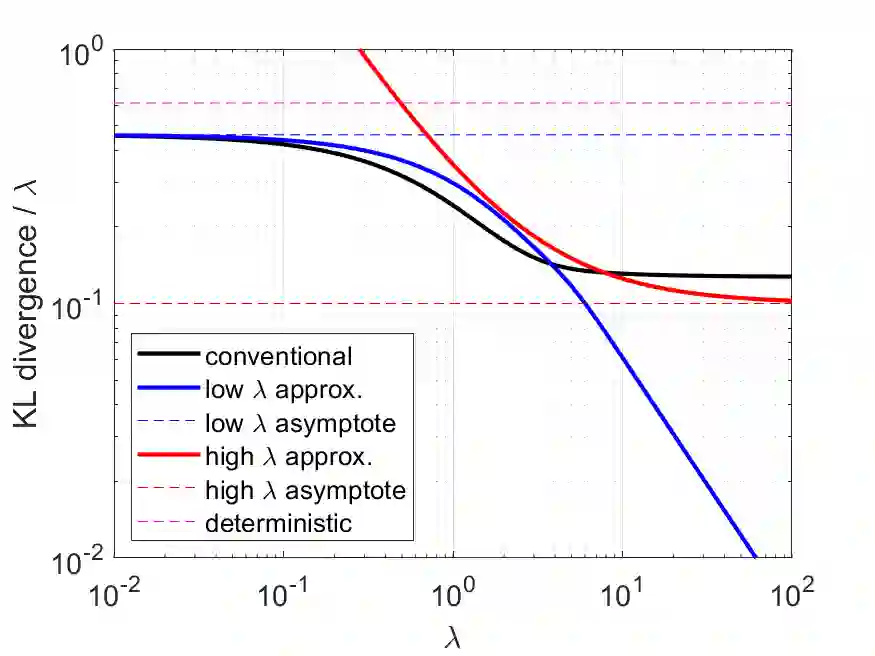
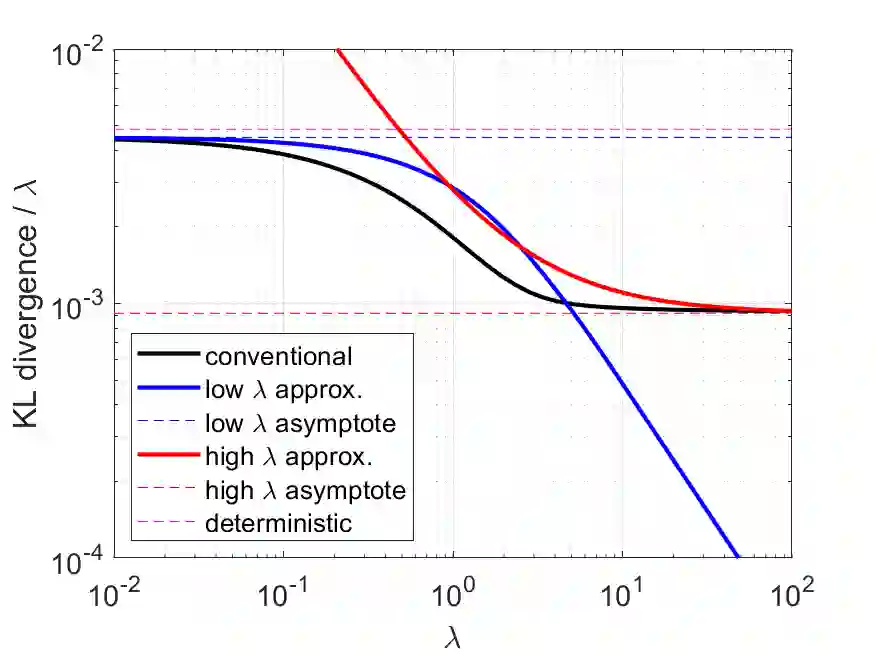
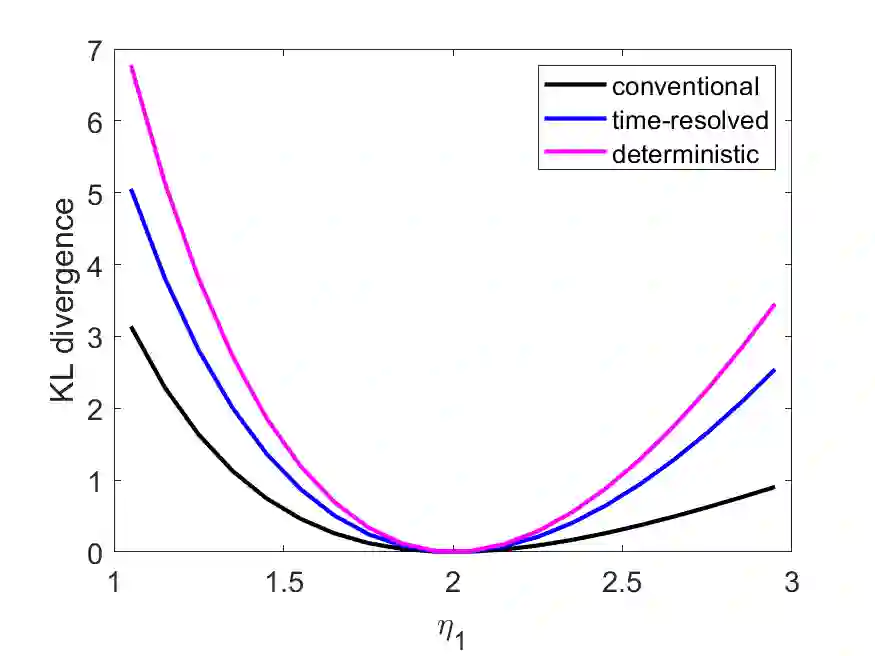
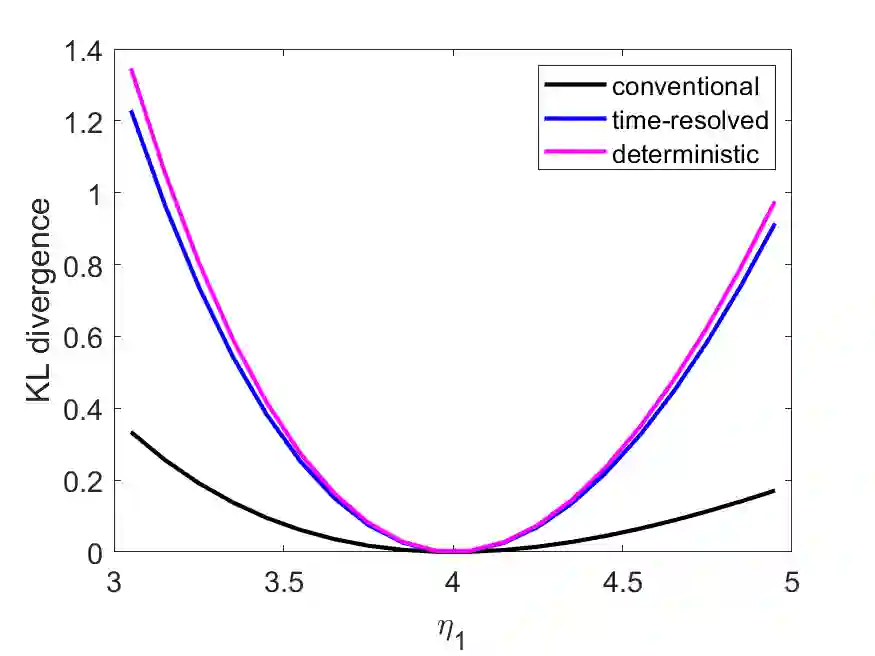
Particle beam microscopy (PBM) performs nanoscale imaging by pixelwise capture of scalar values representing noisy measurements of the response from secondary electrons (SEs) integrated over a dwell time. Extended to metrology, goals include estimating SE yield at each pixel and detecting differences in SE yield across pixels; obstacles include shot noise in the particle source as well as lack of knowledge of and variability in the instrument response to single SEs. A recently introduced time-resolved measurement paradigm promises mitigation of source shot noise, but its analysis and development have been largely limited to estimation problems under an idealization in which SE bursts are directly and perfectly counted. Here, analyses are extended to error exponents in feature detection problems and to degraded measurements that are representative of actual instrument behavior for estimation problems. For estimation from idealized SE counts, insights on existing estimators and a superior estimator are also provided. For estimation in a realistic PBM imaging scenario, extensions to the idealized model are introduced, methods for model parameter extraction are discussed, and large improvements from time-resolved data are presented.
翻译:粒子束显微镜(PBM)通过逐像素捕获标量值实现纳米级成像,这些标量值表示在驻留时间内积分得到的二次电子响应的噪声测量结果。在计量学应用中,其目标包括估算每个像素的二次电子产率,并检测不同像素间二次电子产率的差异;其障碍包括粒子源中的散粒噪声,以及缺乏对单个二次电子仪器响应的认知及其可变性。最近引入的时间分辨测量范式有望减轻源散粒噪声,但其分析与开发在很大程度上仍局限于理想化条件下的估计问题,即二次电子爆发被直接且完美地计数。本文的分析扩展至特征检测问题中的误差指数,以及代表实际仪器行为特征的退化测量(针对估计问题)。对于基于理想化二次电子计数的估计,本文提供了对现有估计器的见解及一种更优的估计器。针对实际PBM成像场景中的估计,本文引入了对理想化模型的扩展,讨论了模型参数提取方法,并展示了时间分辨数据带来的显著改进。




相关内容





 微信扫码咨询专知VIP会员