

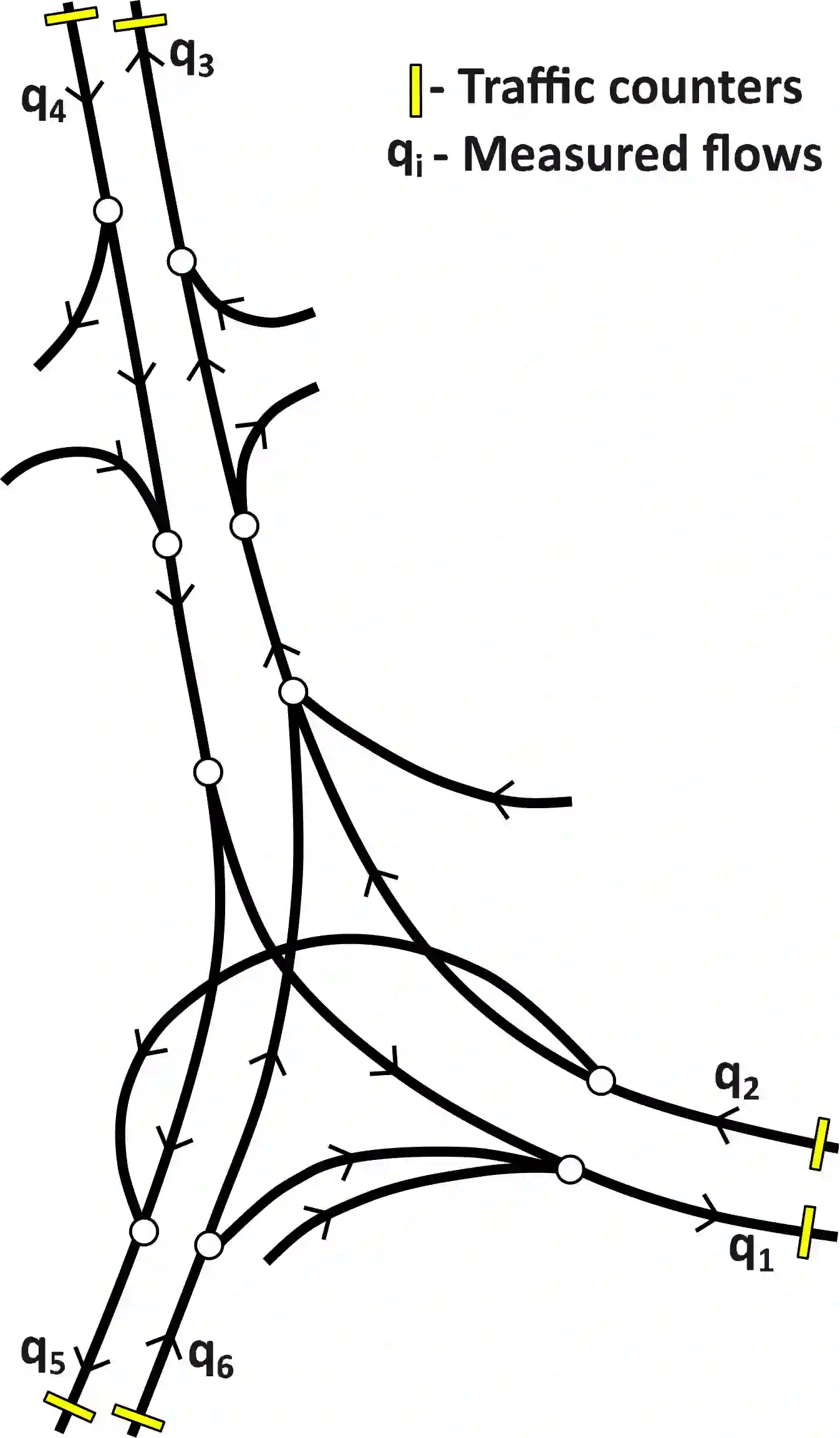
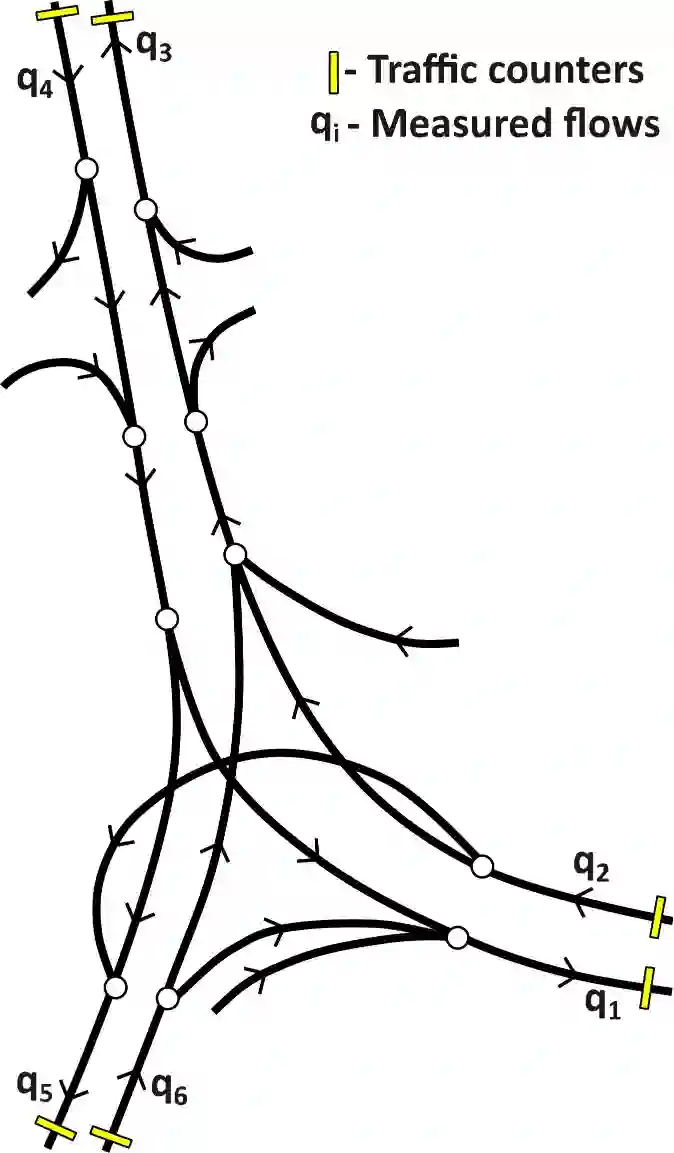
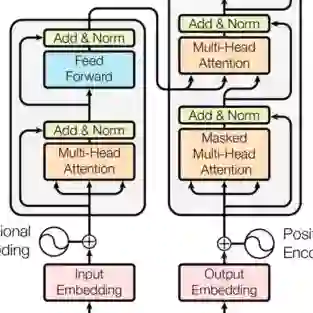
The operational effectiveness of digital-twin technology in motorway traffic management depends on the availability of a continuous flow of high-resolution real-time traffic data. To function as a proactive decision-making support layer within traffic management, a digital twin must also incorporate predicted traffic conditions in addition to real-time observations. Due to the spatio-temporal complexity and the time-variant, non-linear nature of traffic dynamics, predicting motorway traffic remains a difficult problem. Sequence-based deep-learning models offer clear advantages over classical machine learning and statistical models in capturing long-range, temporal dependencies in time-series traffic data, yet limitations in forecasting accuracy and model complexity point to the need for further improvements. To improve motorway traffic forecasting, this paper introduces a Geographically-aware Transformer-based Traffic Forecasting GATTF model, which exploits the geographical relationships between distributed sensors using their mutual information (MI). The model has been evaluated using real-time data from the Geneva motorway network in Switzerland and results confirm that incorporating geographical awareness through MI enhances the accuracy of GATTF forecasting compared to a standard Transformer, without increasing model complexity.
翻译:高速公路数字孪生技术在交通管理中的运行效能,取决于能否持续获取高分辨率的实时交通数据流。为了在交通管理中发挥前瞻性决策支持层的作用,数字孪生除需整合实时观测数据外,还必须纳入预测的交通状况。由于交通动态具有时空复杂性、时变性和非线性特征,高速公路交通预测依然是一个难题。基于序列的深度学习模型在捕捉时序交通数据中的长程时间依赖性方面,较传统机器学习与统计模型具有明显优势,但其预测精度与模型复杂度方面的局限表明仍需进一步改进。为提升高速公路交通预测性能,本文提出一种基于地理感知的Transformer交通预测模型GATTF,该模型利用分布式传感器间的互信息来挖掘其地理关联性。通过瑞士日内瓦高速公路网络的实时数据对模型进行评估,结果表明:相较于标准Transformer模型,通过互信息融入地理感知机制能在不增加模型复杂度的前提下,有效提升GATTF的预测精度。




相关内容



 微信扫码咨询专知VIP会员