

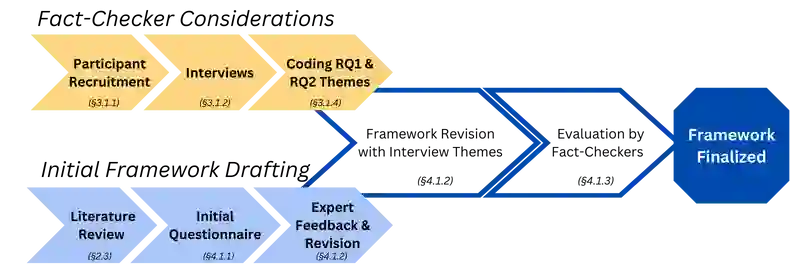
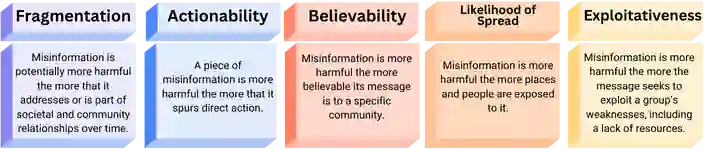
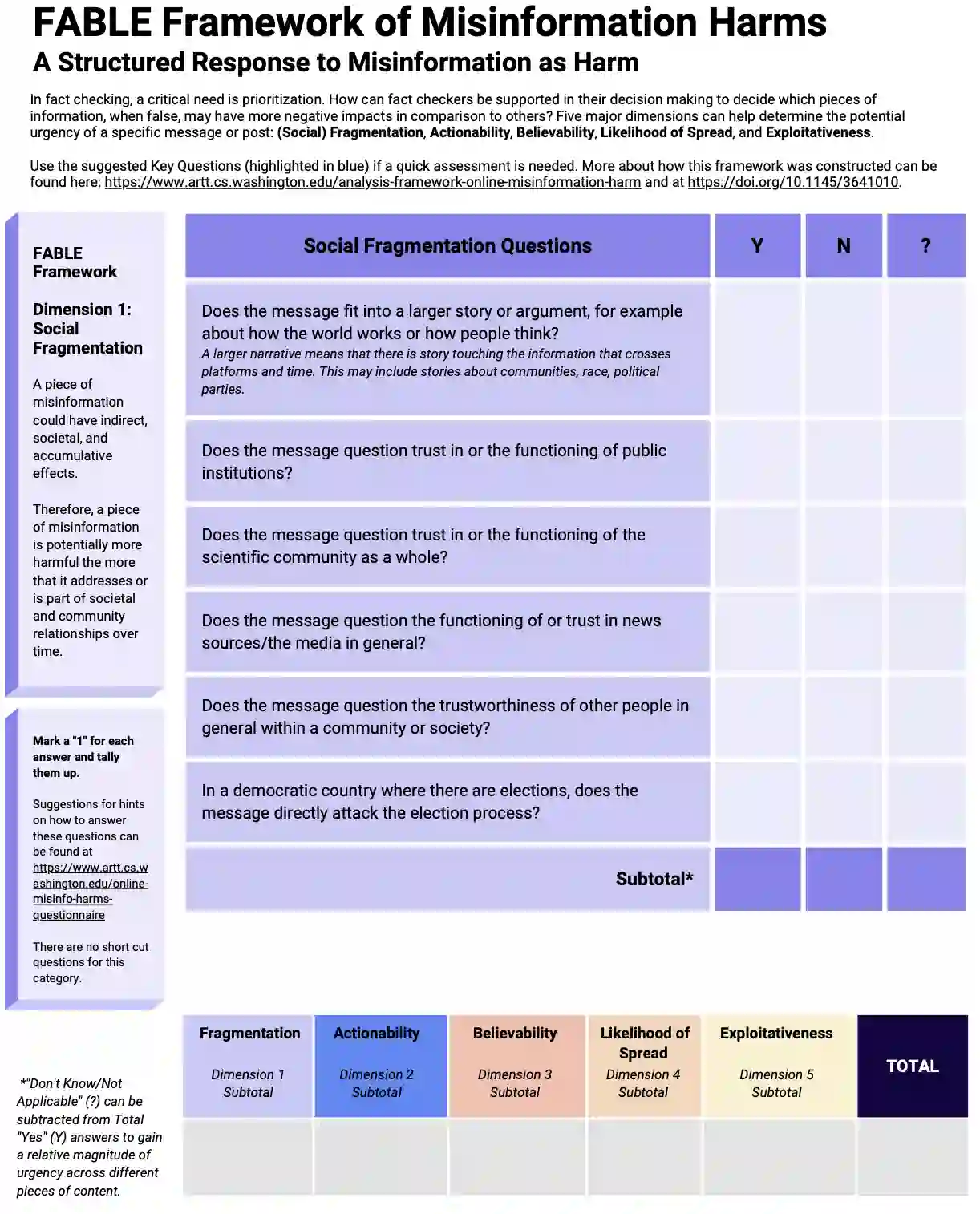
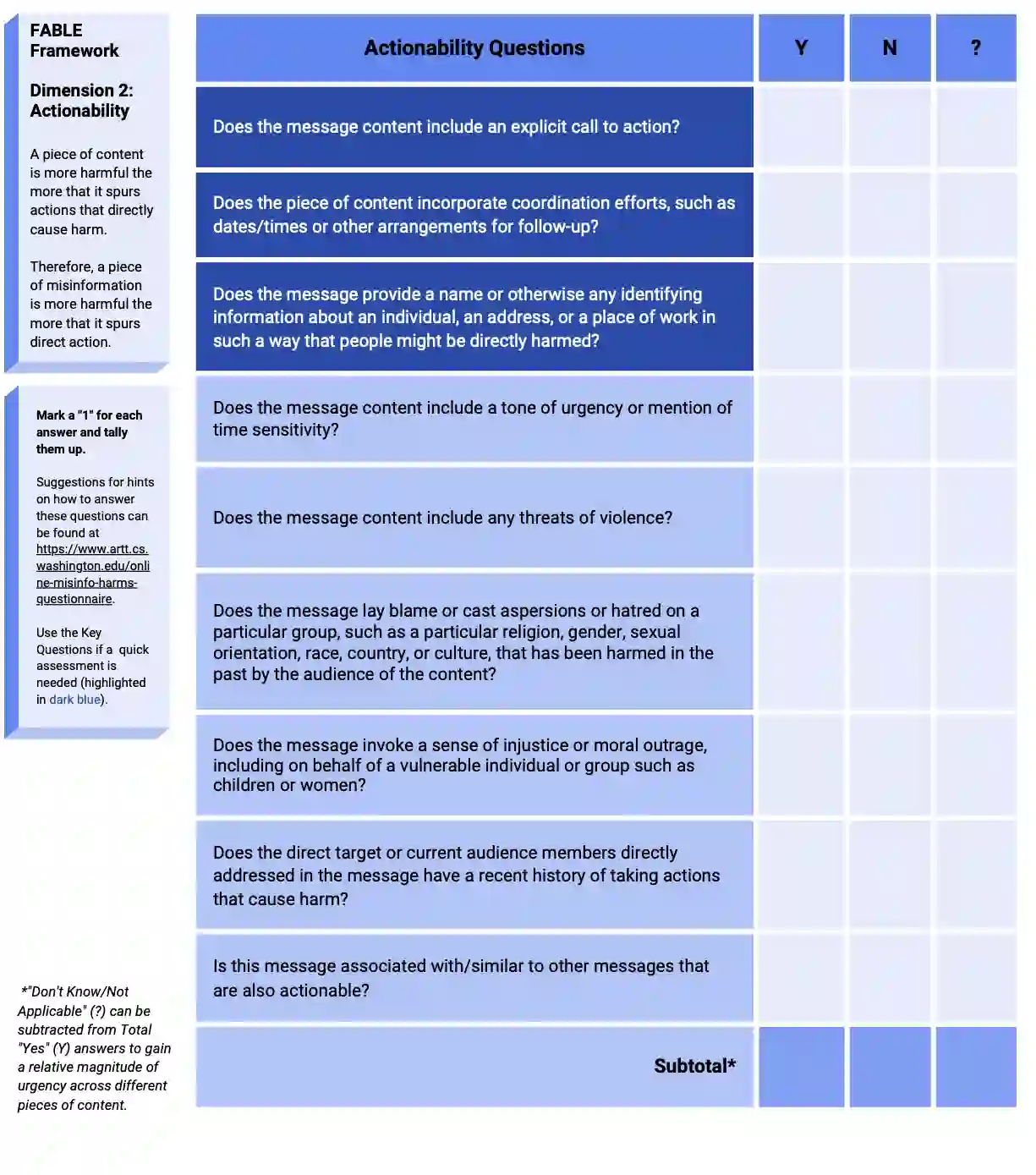
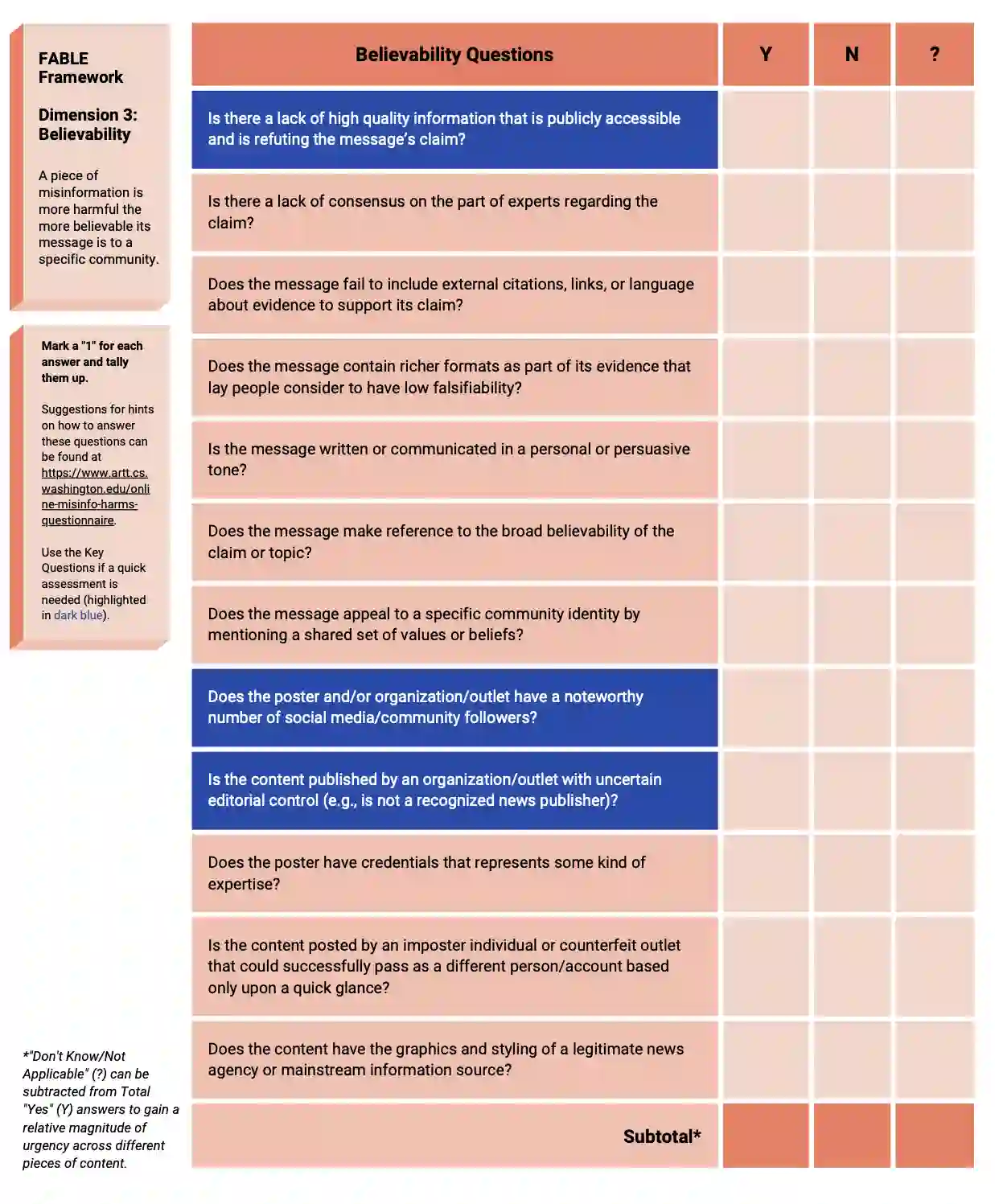
In this work, we examined how fact-checkers prioritize which claims to inspect for further investigation and publishing, and what tools may assist them in their efforts. Specifically, through a series of interviews with 23 professional fact-checkers from around the world, we validated that harm assessment is a central component of how fact-checkers triage their work. First, we clarify what aspects of misinformation they considered to create urgency or importance. These often revolved around the potential for the claim to harm others. We also clarify the processes behind collective fact-checking decisions and gather suggestions for tools that could help with these processes. In addition, to address the needs articulated by these fact-checkers and others, we present a five-dimension framework of questions to help fact-checkers negotiate the priority of claims. Our FABLE Framework of Misinformation Harms incorporates five dimensions of magnitude -- (social) Fragmentation, Actionability, Believability, Likelihood of spread, and Exploitativeness -- that can help determine the potential urgency of a specific message or post when considering misinformation as harm. This effort was further validated by additional interviews with expert fact-checkers. The result is a questionnaire, a practical and conceptual tool to support fact-checkers and other content moderators as they make strategic decisions to prioritize their efforts.
翻译:摘要:本研究考察了事实核查员如何筛选并决定优先调查与发布的言论,以及哪些工具可助其工作。通过对全球23位专业事实核查员的系列访谈,我们验证了危害评估是事实核查员工作分类的核心要素。首先,我们阐明他们判断错误信息紧迫性或重要性的考量维度——通常围绕该言论对他人造成潜在危害的可能性。同时,我们梳理了集体事实核查决策的流程,并收集了可辅助这些流程的工具建议。此外,为回应核查员及其他从业者的需求,我们提出了一个五维度问题框架,以协助核查员协商言论优先级。我们提出的错误信息危害FABLE框架包含五大维度规模——(社会)碎片化(Fragmentation)、可行动性(Actionability)、可信度(Believability)、传播可能性(Likelihood of spread)与利用性(Exploitativiveness)——这些维度有助于在将错误信息视为危害时,判定特定信息或帖子的潜在紧迫性。该成果经资深核查员补充访谈进一步验证。最终形成一套问卷工具——兼具实践性与概念性——可支持核查员及其他内容审核员在制定战略决策时合理分配工作优先级。




相关内容




 微信扫码咨询专知VIP会员