

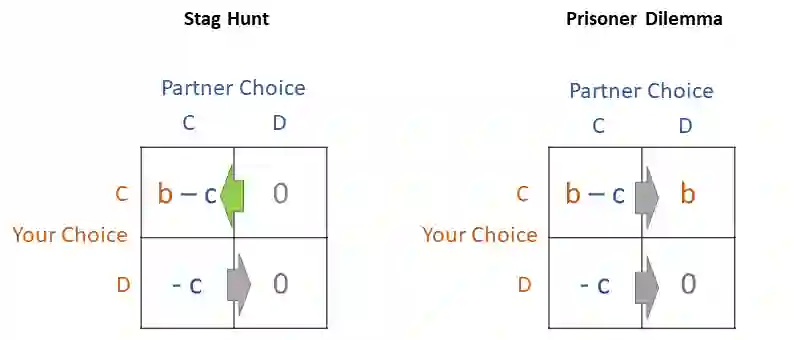
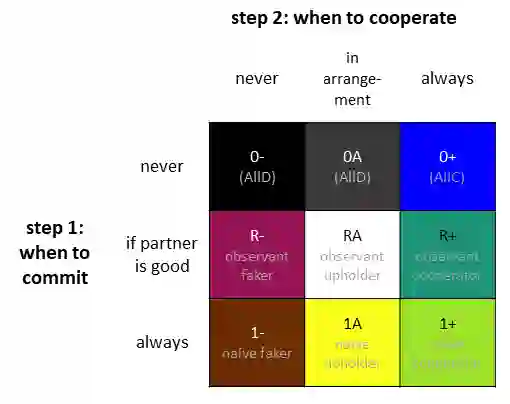
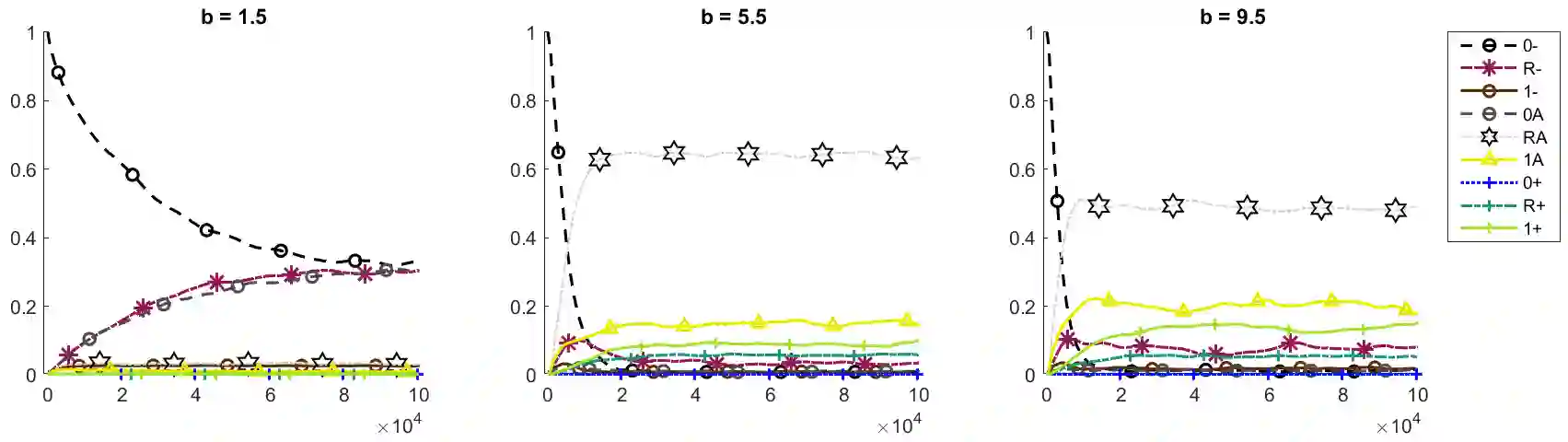
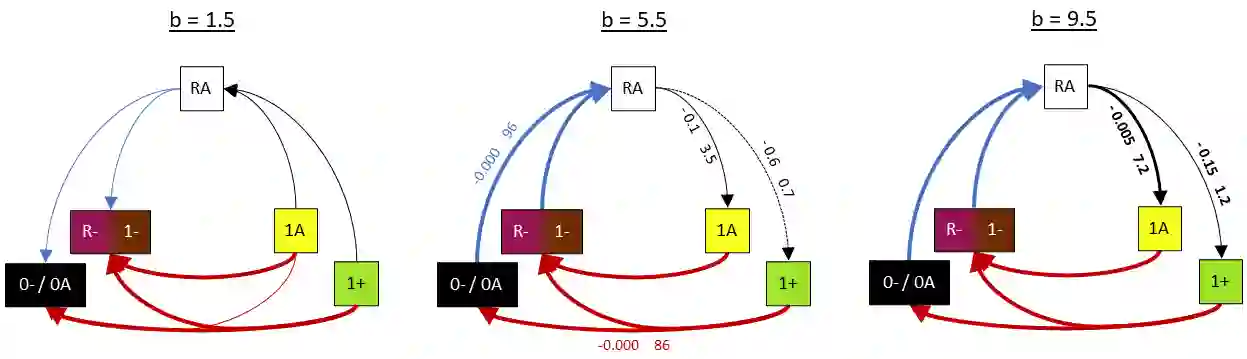
Joint commitment was argued to "make our social world" (Gilbert, 2014) and to separate us from other primates. 'Joint' entails that neither of us promises anything, unless the other promises as well. When we need to coordinate for the best mutual outcome, any commitment is beneficial. However, when we are tempted to free-ride (i.e. in social dilemmas), commitment serves no obvious purpose. We show that a reputation system, which judges action in social dilemmas only after joint commitment, can prevent free-riding. Keeping commitments builds trust. We can selectively enter joint commitments with trustworthy individuals to ensure their cooperation (since they will now be judged). We simply do not commit to cooperate with those we do not trust, and hence can freely defect without losing the trust of others. This principle might be the reason for pointedly public joint commitments, such as marriage. It is especially relevant to our evolutionary past, in which no mechanisms existed to enforce commitments reliably and impartially (e.g. via a powerful and accountable government). Much research from anthropology, philosophy and psychology made the assumption that past collaborations were mutually beneficial and had little possibilities to free-ride, for which there is little support. Our evolutionary game theory approach proves that this assumption is not necessary, because free-riding could have been dealt with joint commitments and reputation.
翻译:联合承诺曾被论证为“构成我们社会世界的基础”(Gilbert, 2014),并将人类与其他灵长类动物区分开来。“联合”意味着除非对方同样做出承诺,否则任何一方均不承诺。当我们需要协调以取得最佳共同结果时,任何承诺都具有裨益。然而,当存在“搭便车”诱惑(即社会困境)时,承诺则无明显作用。我们证明,一种仅在联合承诺后对社会困境中的行为进行评判的声誉系统,能够阻止搭便车行为。信守承诺可建立信任。我们可有选择地与可信赖者达成联合承诺,以确保其合作(因其行为将受评判)。对于不信任者,我们则不予合作承诺,从而可自由背叛而不失他人信任。这一原理或许正是结婚等公开宣誓联合承诺的成因。它尤其适用于我们的进化史,彼时尚无可靠且公正的强制承诺机制(如通过权威且问责制政府)。人类学、哲学及心理学领域的大量研究假定,过往协作是互利共赢且极少存在搭便车机会的——此假定缺乏充分证据。我们的演化博弈论方法证明,该假定并非必要,因为搭便车问题可通过联合承诺与声誉机制加以应对。





相关内容





 微信扫码咨询专知VIP会员