

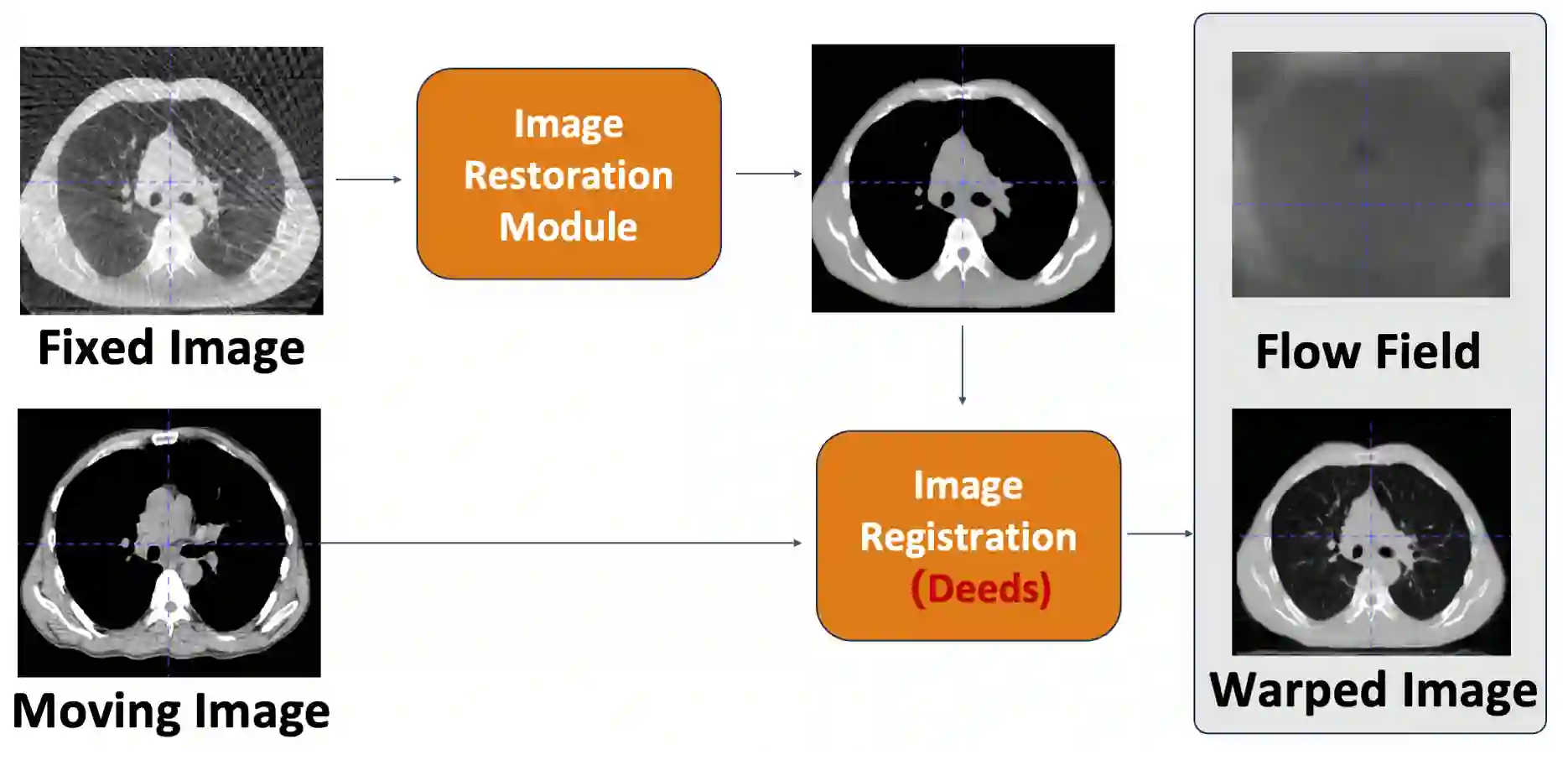
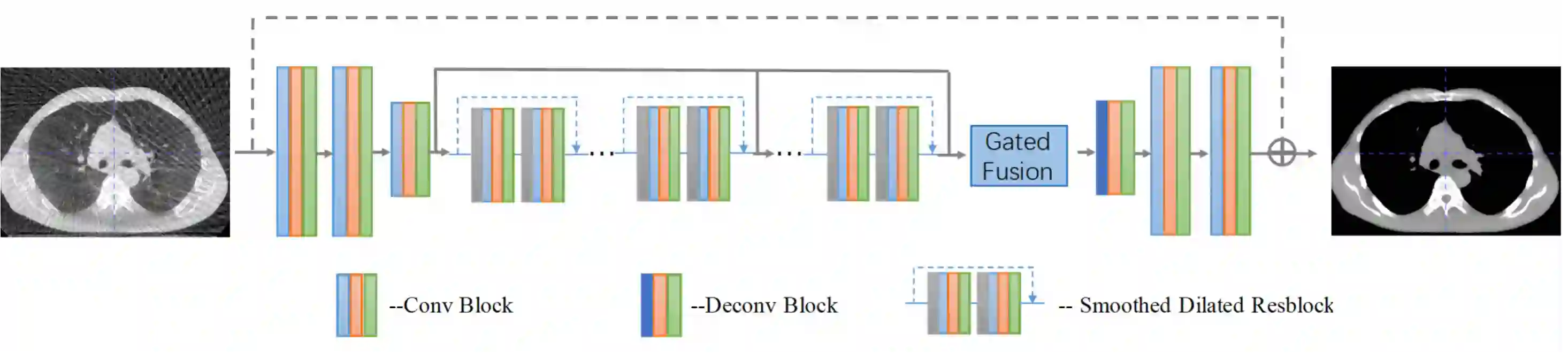
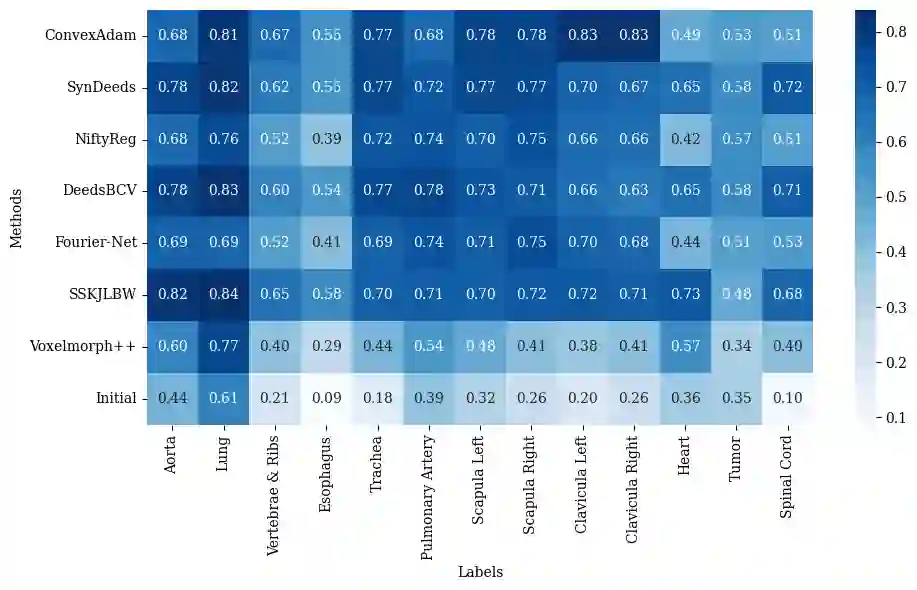
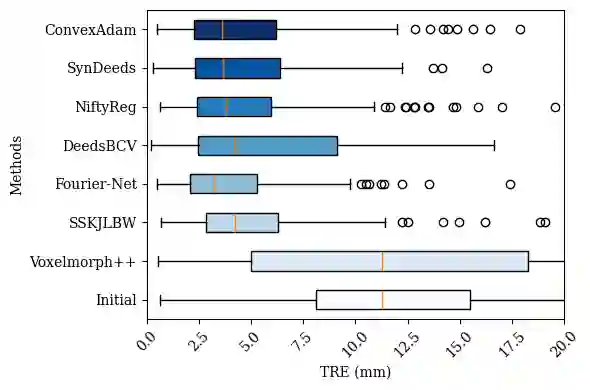
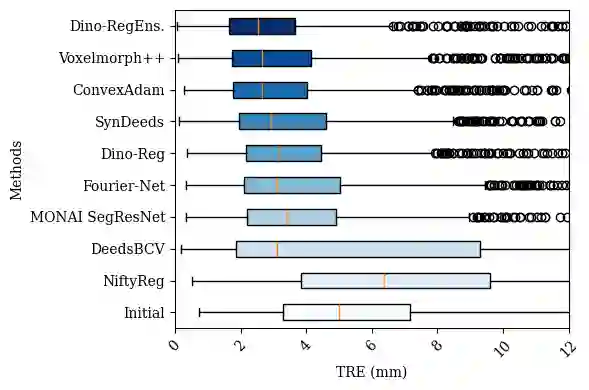
In modern cancer research, the vast volume of medical data generated is often underutilised due to challenges related to patient privacy. The OncoReg Challenge addresses this issue by enabling researchers to develop and validate image registration methods through a two-phase framework that ensures patient privacy while fostering the development of more generalisable AI models. Phase one involves working with a publicly available dataset, while phase two focuses on training models on a private dataset within secure hospital networks. OncoReg builds upon the foundation established by the Learn2Reg Challenge by incorporating the registration of interventional cone-beam computed tomography (CBCT) with standard planning fan-beam CT (FBCT) images in radiotherapy. Accurate image registration is crucial in oncology, particularly for dynamic treatment adjustments in image-guided radiotherapy, where precise alignment is necessary to minimise radiation exposure to healthy tissues while effectively targeting tumours. This work details the methodology and data behind the OncoReg Challenge and provides a comprehensive analysis of the competition entries and results. Findings reveal that feature extraction plays a pivotal role in this registration task. A new method emerging from this challenge demonstrated its versatility, while established approaches continue to perform comparably to newer techniques. Both deep learning and classical approaches still play significant roles in image registration, with the combination of methods - particularly in feature extraction - proving most effective.
翻译:在现代癌症研究中,由于患者隐私相关的挑战,生成的大量医学数据往往未能得到充分利用。OncoReg挑战赛通过一个两阶段框架解决了这一问题,该框架在确保患者隐私的同时,促进了更具泛化能力AI模型的开发。第一阶段涉及使用公开可用的数据集,而第二阶段则侧重于在医院安全网络内的私有数据集上训练模型。OncoReg建立在Learn2Reg挑战赛所奠定的基础上,纳入了放射治疗中锥形束计算机断层扫描(CBCT)与标准规划扇形束CT(FBCT)图像的配准。精确的图像配准在肿瘤学中至关重要,特别是在图像引导放射治疗的动态治疗调整中,精确的对准对于最大限度地减少对健康组织的辐射暴露同时有效靶向肿瘤是必要的。这项工作详细阐述了OncoReg挑战赛背后的方法与数据,并对参赛作品和结果进行了全面分析。研究结果表明,特征提取在此配准任务中起着关键作用。本次挑战赛中涌现的一种新方法展示了其多功能性,而成熟的方法在性能上仍可与新技术相媲美。深度学习和经典方法在图像配准中仍发挥着重要作用,方法的结合——尤其是在特征提取方面——被证明是最有效的。




相关内容



 微信扫码咨询专知VIP会员