

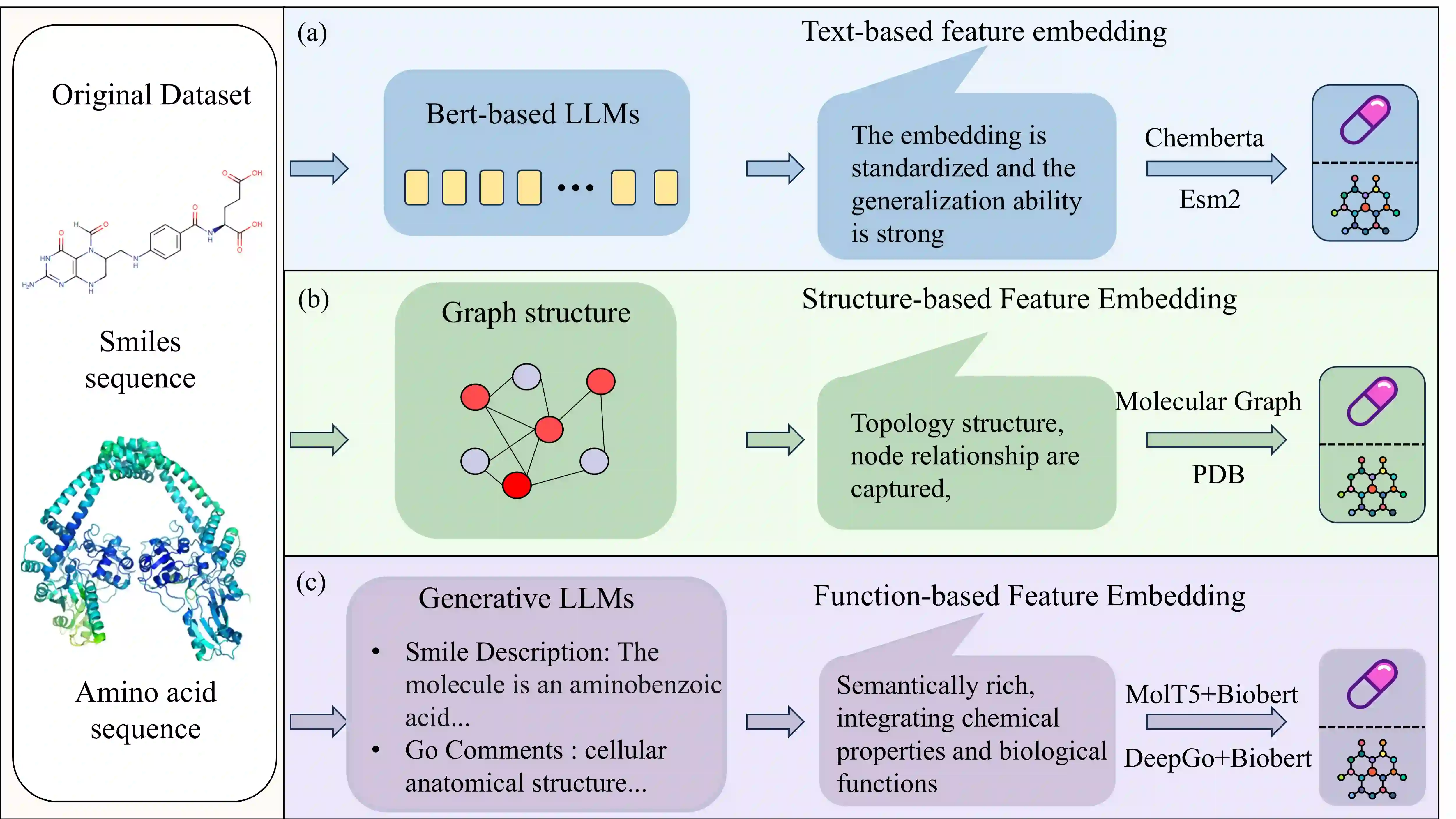
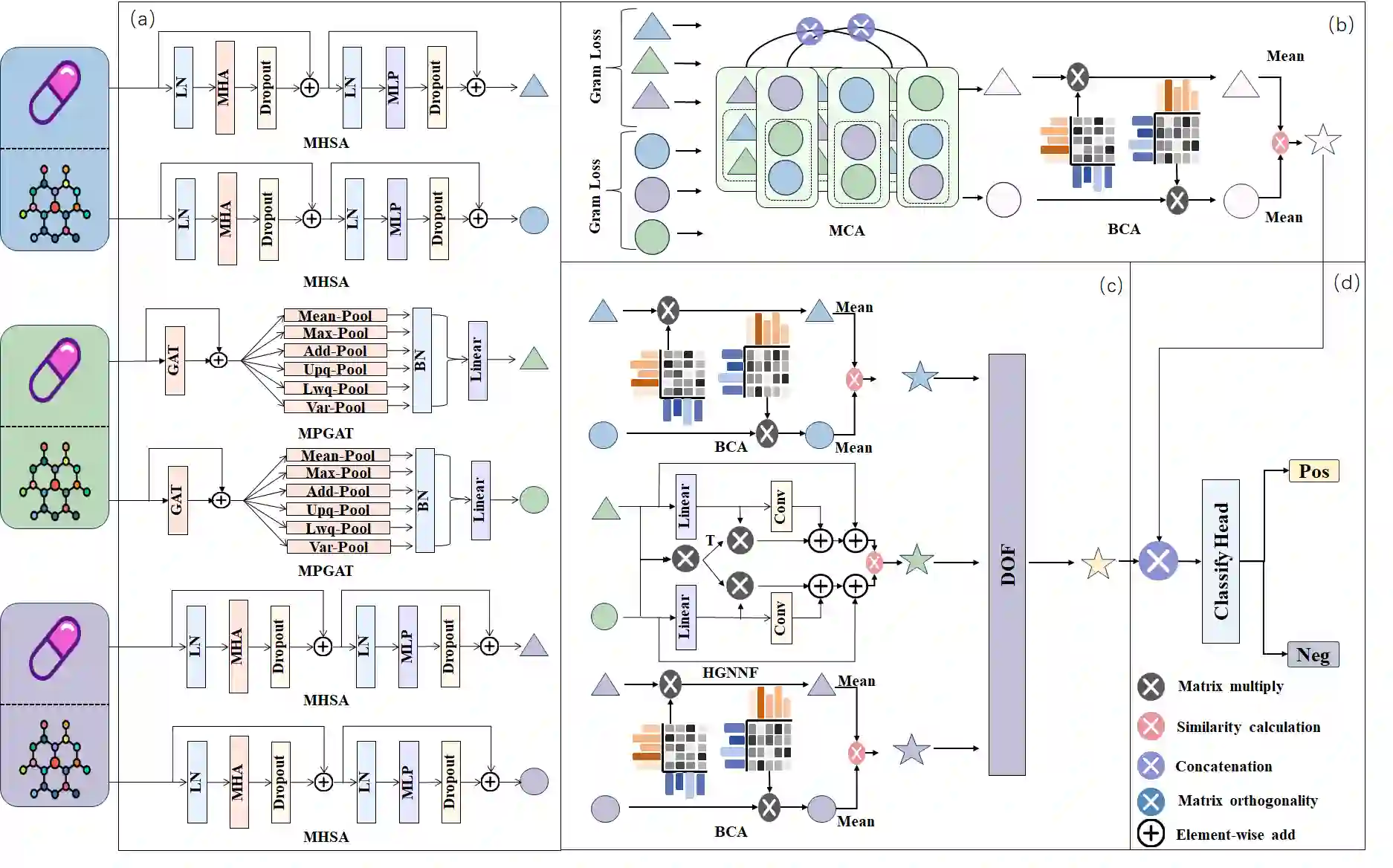
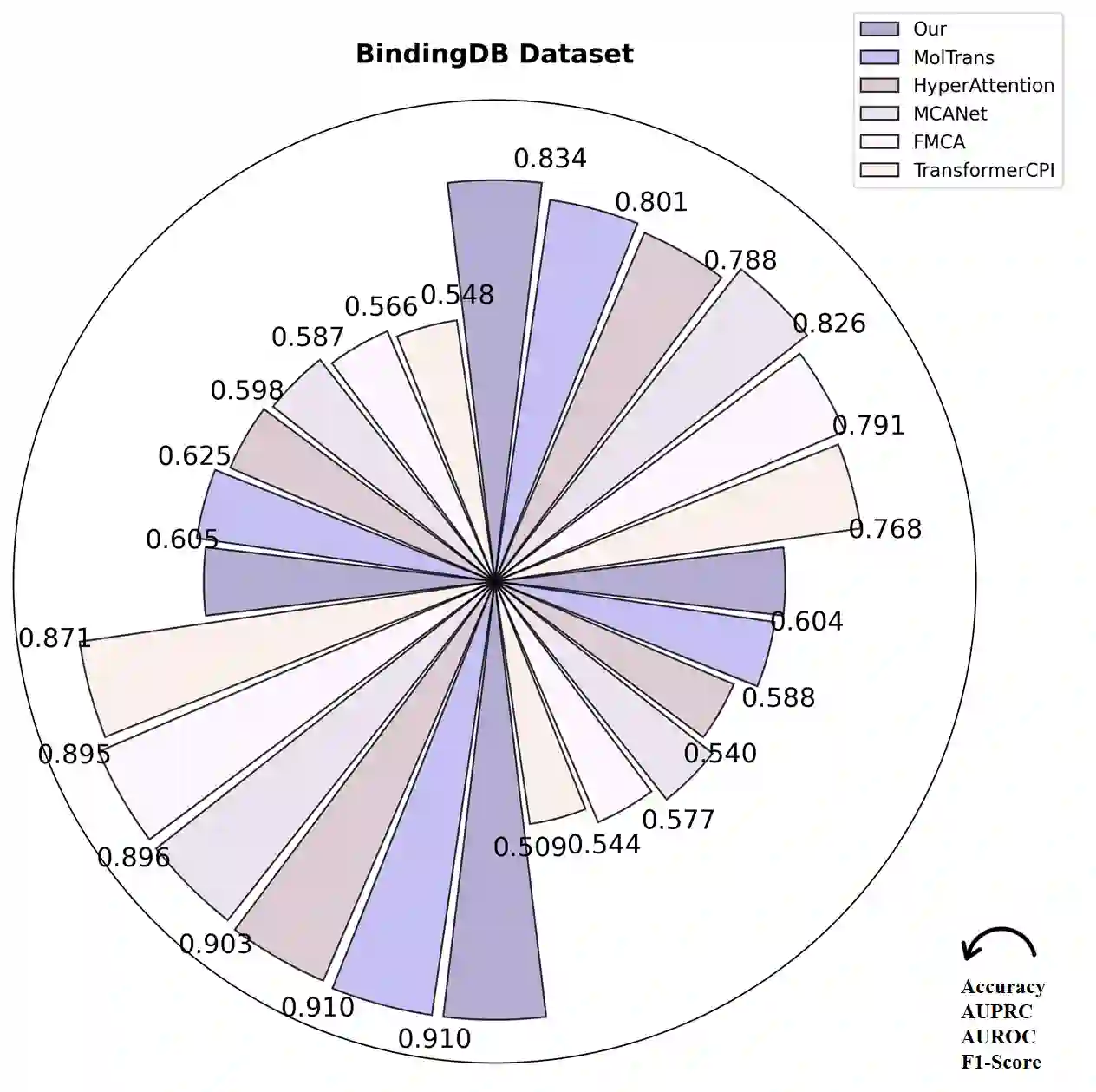
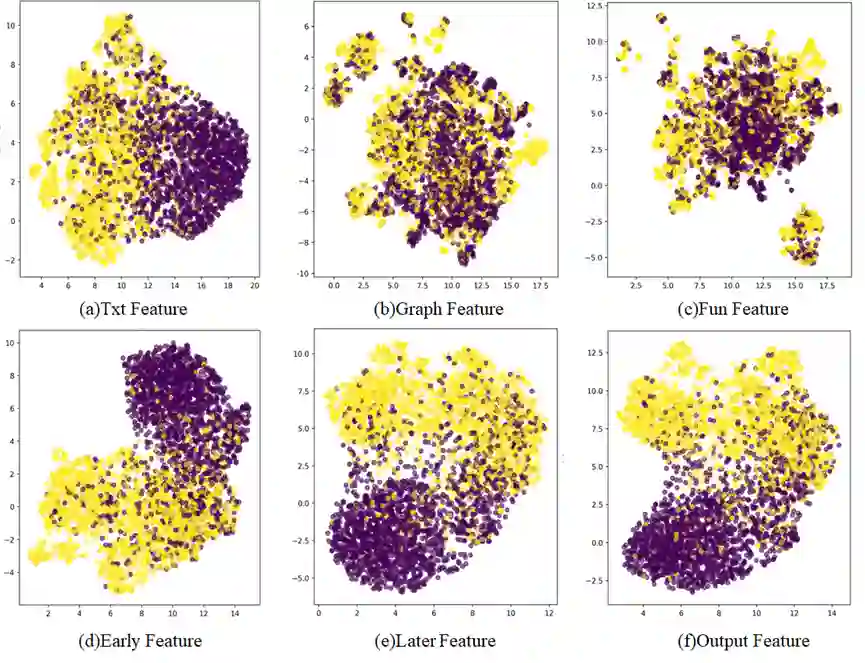
Accurate prediction of drug-target interactions (DTI) is pivotal in drug discovery. However, existing approaches often fail to capture deep intra-modal feature interactions or achieve effective cross-modal alignment, limiting predictive performance and generalization. To address these challenges, we propose M3ST-DTI, a multi-task learning model that enables multi-stage integration and alignment of multi modal features for DTI prediction. M3ST-DTI incorporates three types of features-textual, structural, and functional and enhances intra-modal representations using self-attention mechanisms and a hybrid pooling graph attention module. For early-stage feature alignment and fusion, the model in tegrates MCA with Gram loss as a structural constraint. In the later stage, a BCA module captures fine-grained interactions between drugs and targets within each modality, while a deep orthogonal fusion module mitigates feature redundancy.Extensive evaluations on benchmark datasets demonstrate that M3ST-DTI consistently outperforms state-of-the art methods across diverse metrics
翻译:药物-靶点相互作用(DTI)的准确预测在药物发现中至关重要。然而,现有方法往往难以捕捉深层的模态内特征交互或实现有效的跨模态对齐,从而限制了预测性能与泛化能力。为应对这些挑战,我们提出了M3ST-DTI,一种多任务学习模型,能够实现多模态特征的多阶段整合与对齐以进行DTI预测。M3ST-DTI整合了三种类型的特征——文本特征、结构特征与功能特征,并利用自注意力机制与混合池化图注意力模块增强了模态内表征。为实现早期特征对齐与融合,该模型将MCA与Gram损失作为结构约束进行整合。在后期阶段,BCA模块捕捉各模态内药物与靶点间的细粒度交互,而深度正交融合模块则减轻了特征冗余。在基准数据集上的广泛评估表明,M3ST-DTI在多种评价指标上均持续优于现有最先进方法。




相关内容





 微信扫码咨询专知VIP会员