

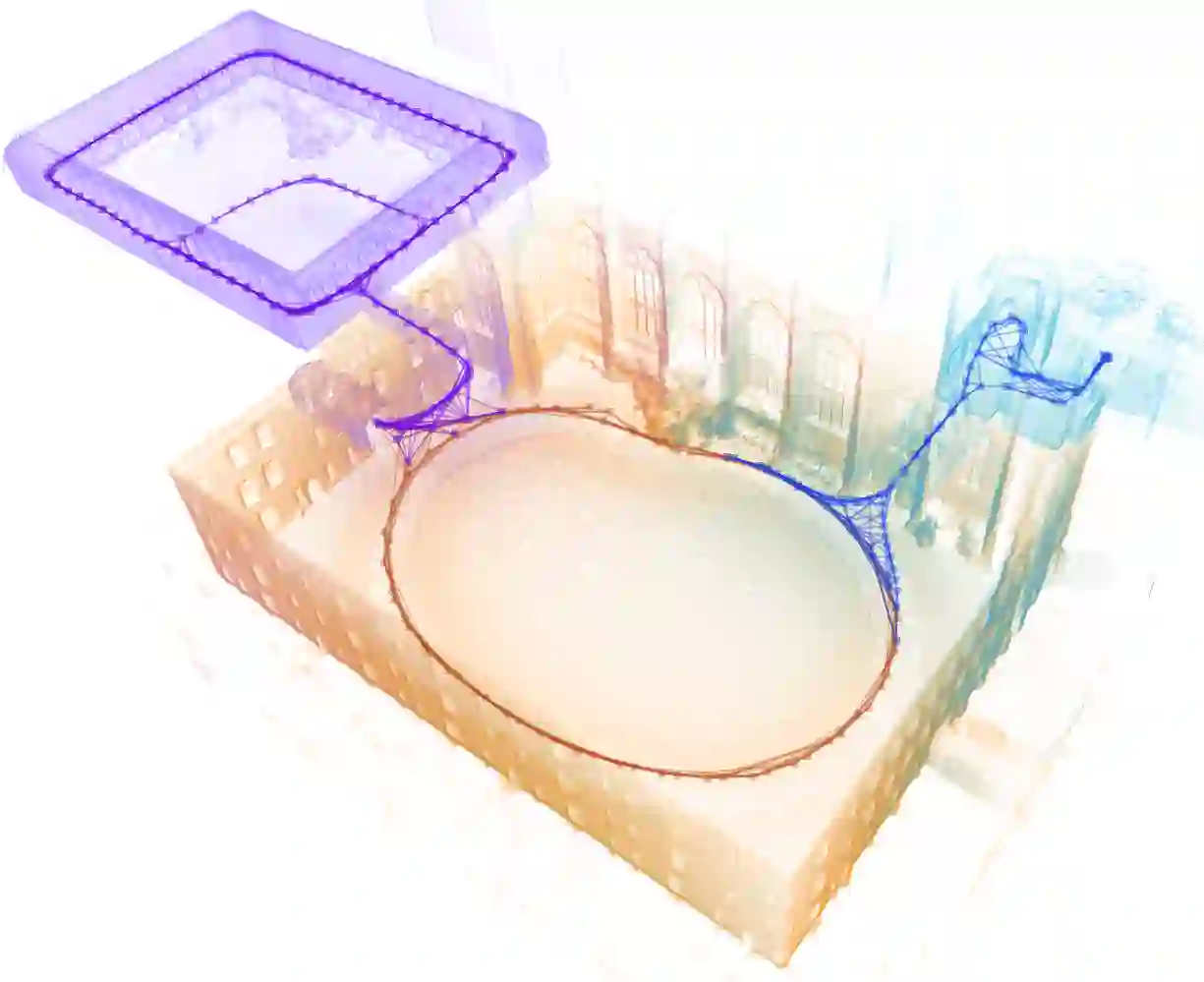
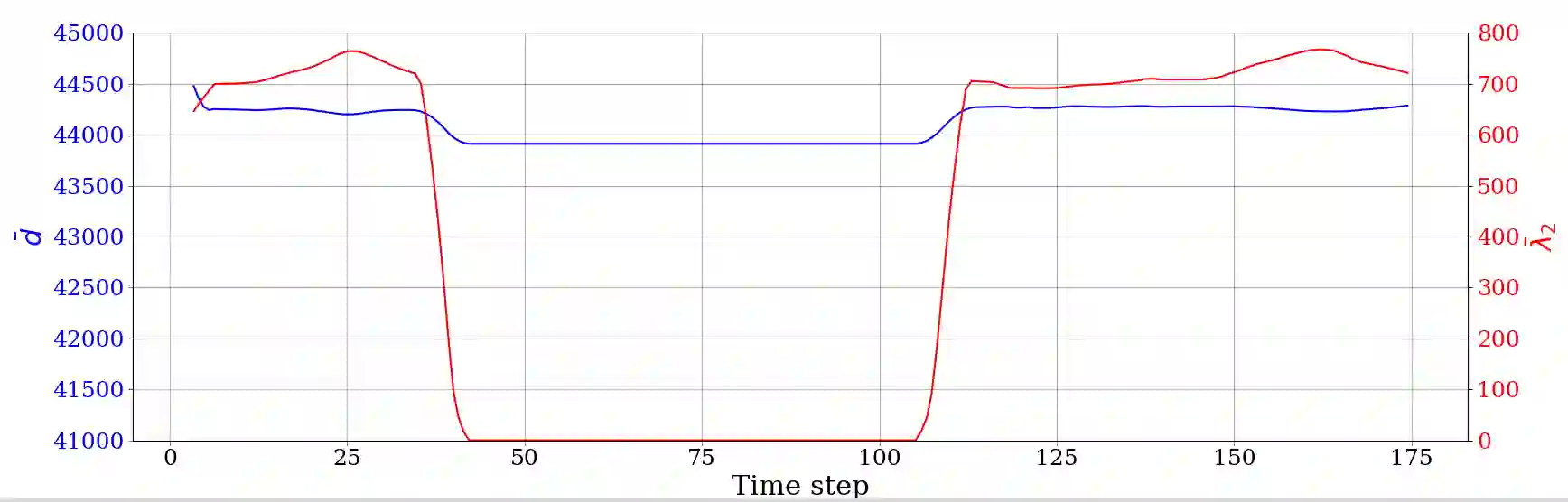
Operating in previously visited environments is becoming increasingly crucial for autonomous systems, with direct applications in autonomous driving, surveying, and warehouse or household robotics. This repeated exposure to observing the same areas poses significant challenges for mapping and localization -- key components for enabling any higher-level task. In this work, we propose a novel multi-session framework that builds on map-based localization, in contrast to the common practice of greedily running full SLAM sessions and trying to find correspondences between the resulting maps. Our approach incorporates a topology-informed, uncertainty-aware decision-making mechanism that analyzes the pose-graph structure to detect low-connectivity regions, selectively triggering mapping and loop closing modules. The resulting map and pose-graph are seamlessly integrated into the existing model, reducing accumulated error and enhancing global consistency. We validate our method on overlapping sequences from datasets and demonstrate its effectiveness in a real-world mine-like environment.
翻译:在先前访问过的环境中运行正日益成为自主系统的关键能力,在自动驾驶、测绘以及仓储或家庭机器人等领域具有直接应用价值。这种对同一区域的重复观测给建图与定位——实现任何高级任务的核心组件——带来了重大挑战。本研究提出了一种新颖的多会话框架,该框架基于地图定位方法构建,有别于当前常见的贪婪式运行完整SLAM会话并尝试在生成的地图间建立对应关系的做法。我们的方法引入了一种拓扑感知、不确定性驱动的决策机制,该机制通过分析位姿图结构来检测低连通性区域,并选择性地触发建图与闭环检测模块。生成的增量地图与位姿图将被无缝整合至现有模型中,从而有效降低累积误差并提升全局一致性。我们在数据集的重叠序列上验证了所提方法,并在真实矿井类环境中证明了其有效性。




相关内容

 微信扫码咨询专知VIP会员