

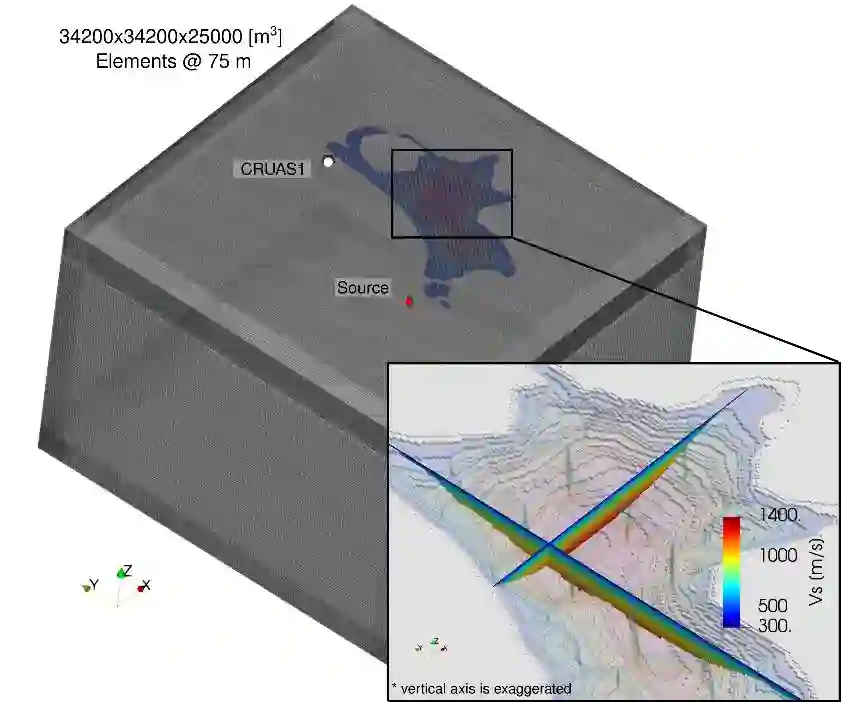
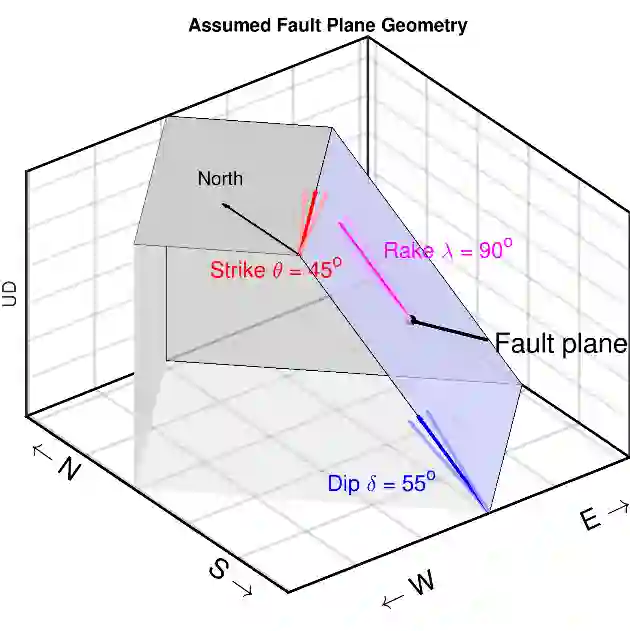
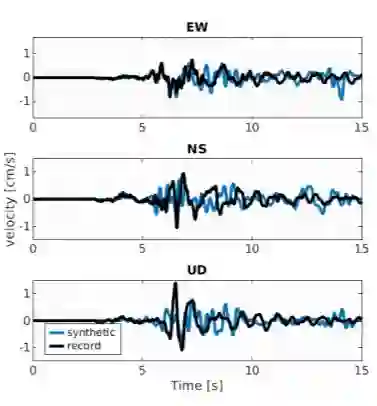
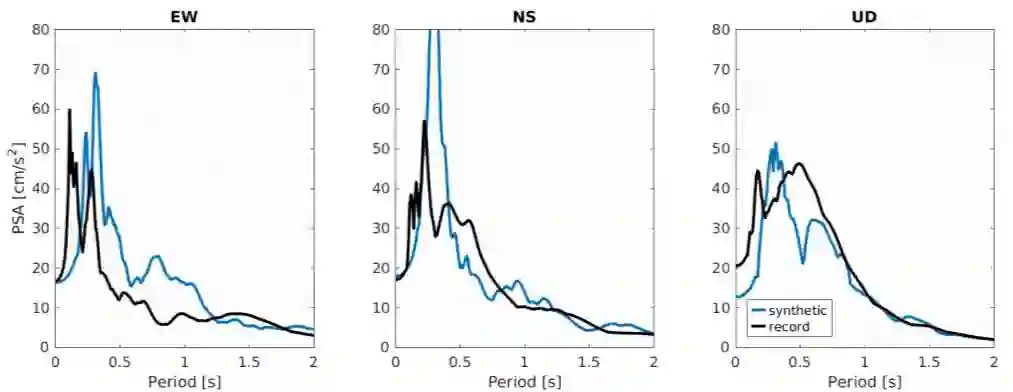
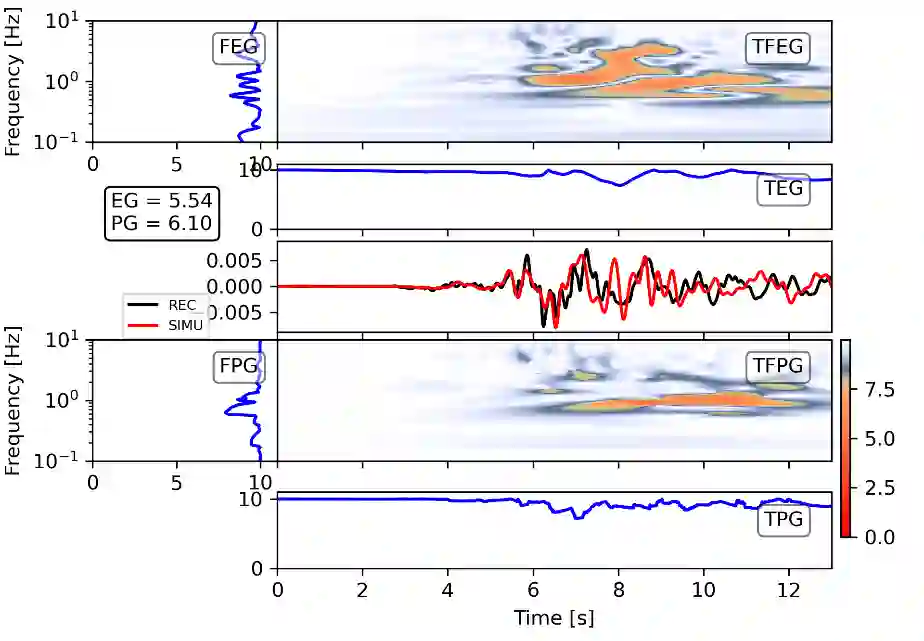
Ensuring the seismic safety of nuclear power plants (NPPs) is essential, especially for facilities that rely on base isolation to reduce earthquake impacts. For understanding the seismic response, accurate models are key to predict the ground motions, which are generally sensitive to various factors, including earthquake source parameters like the focal mechanism, i.e., strike, dip, and rake angles. This study examines how uncertainties in these parameters affect ground motion predictions. The analysis is based on the SMATCH benchmark, which provides a standardized approach for evaluating the seismic response of the Cruas-Meysse NPP in France during the Mw 4.9 Le-Teil earthquake of 2019. A set of 27 3D high-fidelity numerical simulations was performed using a spectral-element method, each incorporating different focal mechanism variations. These simulations provide an effective approach for investigating the factors behind the exceptional ground motion observed during this event. To quantify uncertainty, the simulated ground motions were compared to recorded data using two well-established goodness-of-fit criteria: one assessing time-frequency domain characteristics and another focusing on the characterization of the ground motion signals by intensity measures. Results highlight the significant influence of focal mechanism variability on ground motion predictions, especially on the rake angle, which showed the strongest correlation with wave and intensity measures.
翻译:确保核电站(NPPs)的地震安全至关重要,特别是对于依赖基础隔震来减轻地震影响的设施。为了理解地震响应,精确的模型是预测地面运动的关键,而地面运动通常对多种因素敏感,包括震源机制参数,即走向角、倾角和滑动角。本研究探讨了这些参数的不确定性如何影响地面运动预测。该分析基于SMATCH基准,该基准为评估2019年Mw 4.9勒泰尔地震期间法国克吕阿-梅斯核电站的地震响应提供了一种标准化方法。研究采用谱元法进行了一组27次三维高保真数值模拟,每次模拟均包含不同的震源机制变化。这些模拟为探究此次事件中观测到的异常地面运动背后的因素提供了一种有效方法。为了量化不确定性,使用两种成熟的拟合优度准则将模拟地面运动与记录数据进行了比较:一种评估时频域特性,另一种则侧重于通过强度度量来表征地面运动信号。结果突显了震源机制变异性对地面运动预测的显著影响,尤其是滑动角,其与波形和强度度量显示出最强的相关性。




相关内容




 微信扫码咨询专知VIP会员