

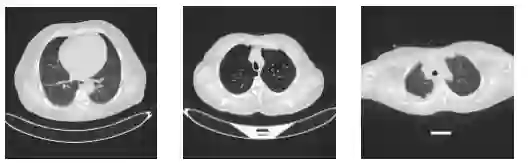
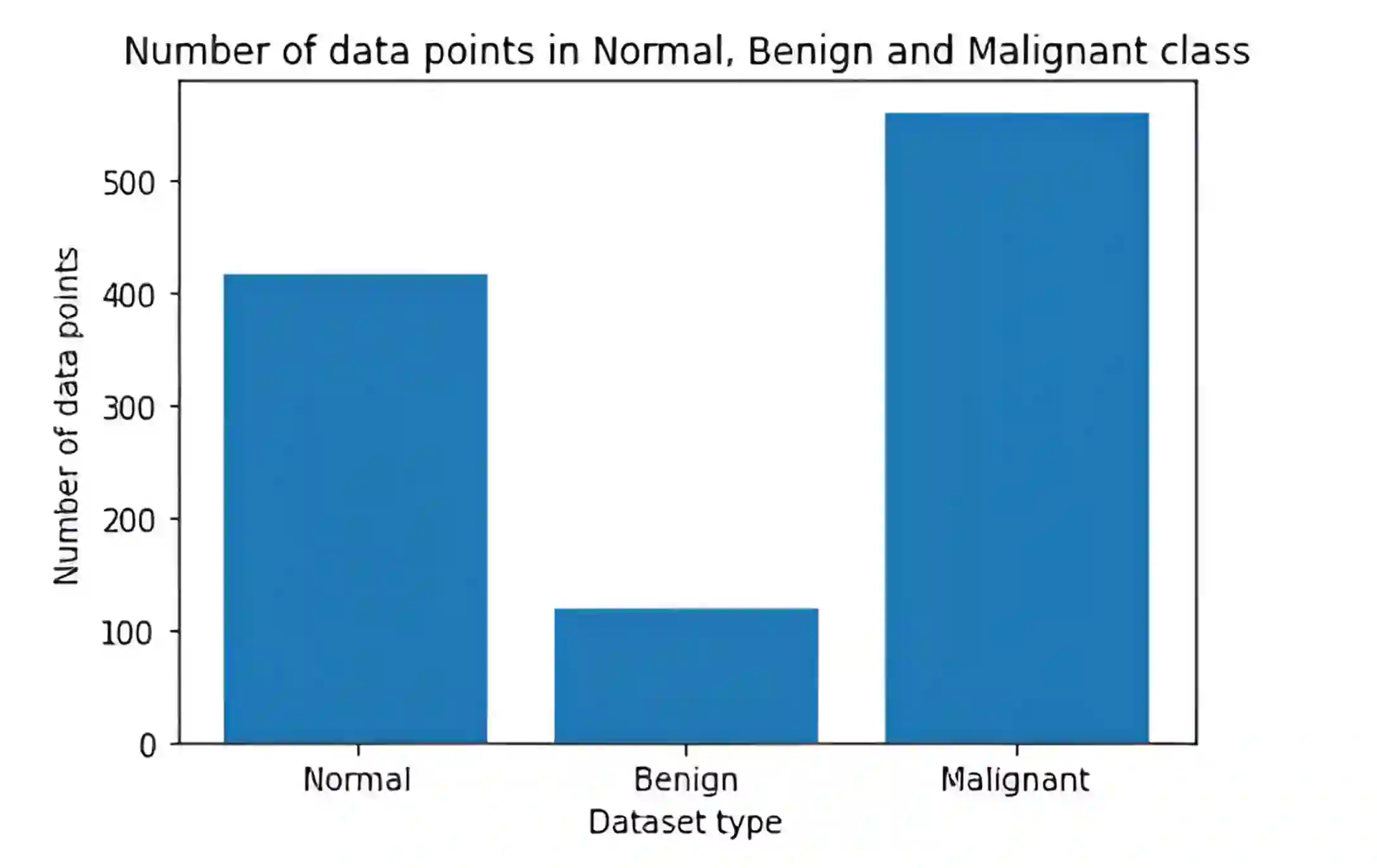
Early detection of lung cancer is critical to improving survival outcomes. We present a deep learning framework for automated lung cancer screening from chest computed tomography (CT) images with integrated explainability. Using the IQ-OTH/NCCD dataset (1,197 scans across Normal, Benign, and Malignant classes), we evaluate a custom convolutional neural network (CNN) and three fine-tuned transfer learning backbones: DenseNet121, ResNet152, and VGG19. Models are trained with cost-sensitive learning to mitigate class imbalance and evaluated via accuracy, precision, recall, F1-score, and ROC-AUC. While ResNet152 achieved the highest accuracy (97.3%), DenseNet121 provided the best overall balance in precision, recall, and F1 (up to 92%, 90%, 91%, respectively). We further apply Shapley Additive Explanations (SHAP) to visualize evidence contributing to predictions, improving clinical transparency. Results indicate that CNN-based approaches augmented with explainability can provide fast, accurate, and interpretable support for lung cancer screening, particularly in resource-limited settings.
翻译:肺癌的早期检测对于改善患者生存预后至关重要。本文提出一种用于胸部计算机断层扫描(CT)图像自动化肺癌筛查的深度学习框架,该框架集成了可解释性功能。使用IQ-OTH/NCCD数据集(包含正常、良性和恶性三类共计1,197例扫描),我们评估了一个定制的卷积神经网络(CNN)以及三个微调的迁移学习骨干网络:DenseNet121、ResNet152和VGG19。所有模型均采用代价敏感学习进行训练以缓解类别不平衡问题,并通过准确率、精确率、召回率、F1分数和ROC-AUC进行评估。尽管ResNet152取得了最高准确率(97.3%),但DenseNet121在精确率、召回率和F1分数上实现了最佳综合平衡(分别高达92%、90%和91%)。我们进一步应用沙普利加性解释(SHAP)可视化影响预测的证据区域,从而提升临床透明度。结果表明,结合可解释性增强的CNN方法能够为肺癌筛查提供快速、准确且可解释的决策支持,在资源有限的环境中尤其具有应用价值。




相关内容



 微信扫码咨询专知VIP会员