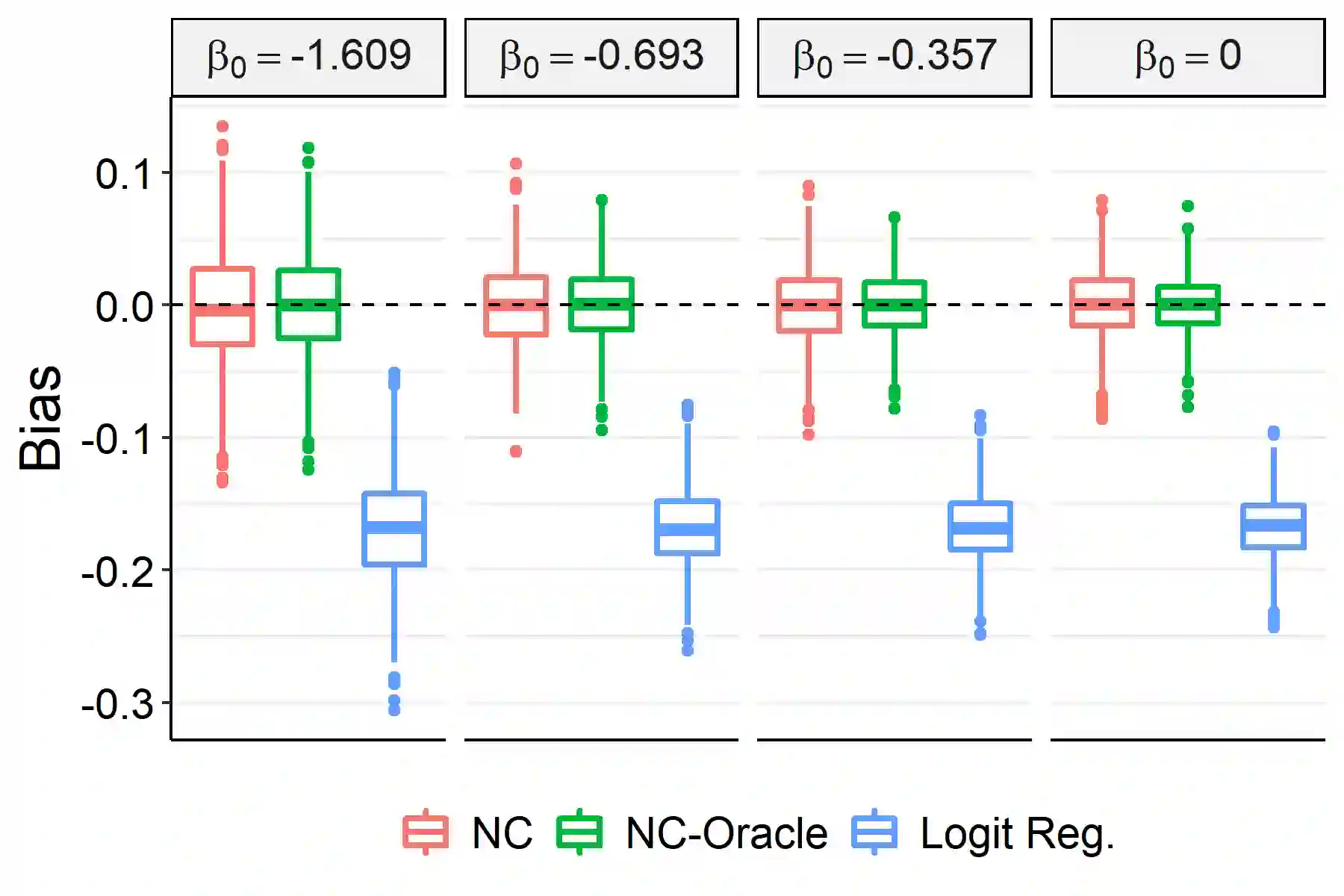
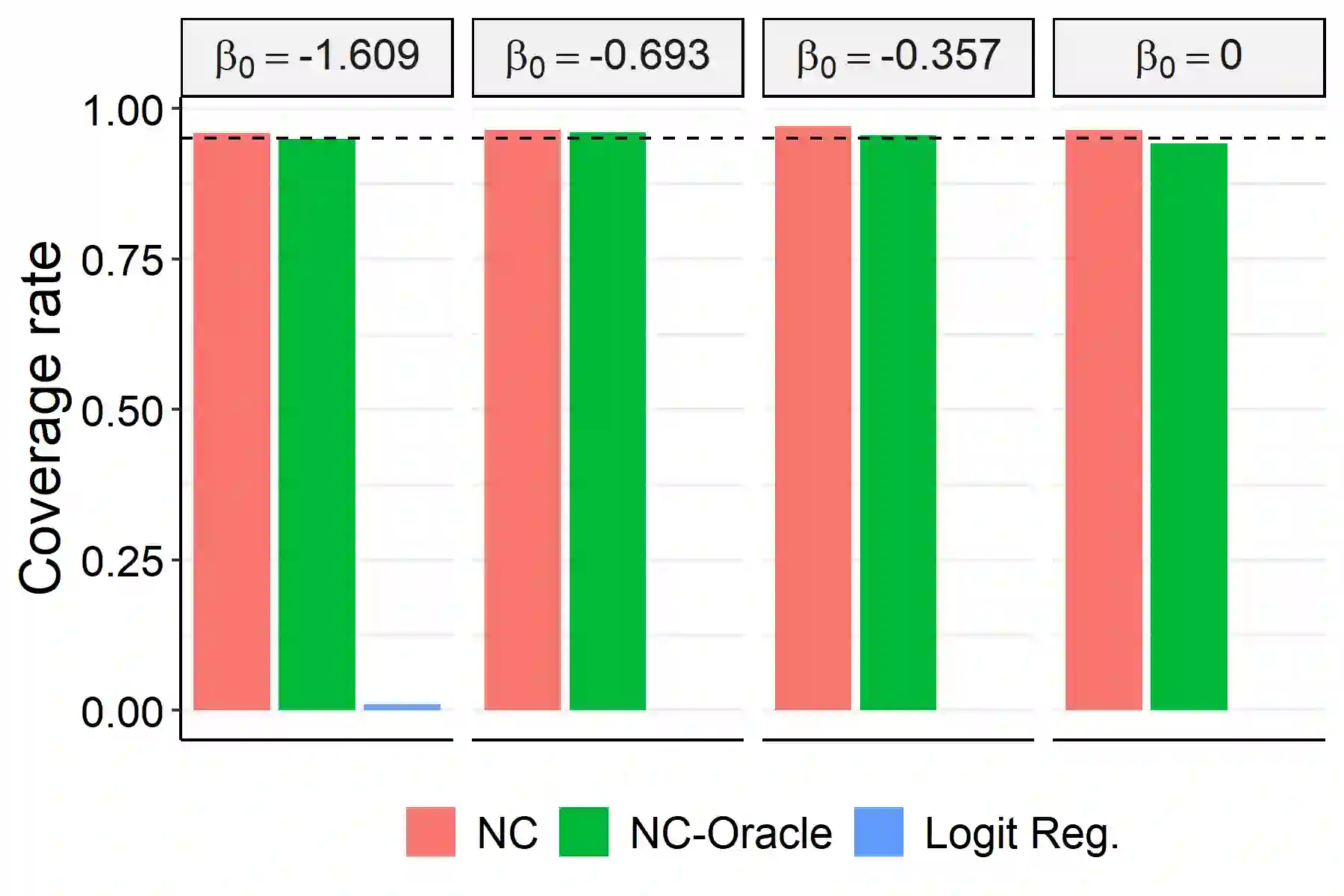
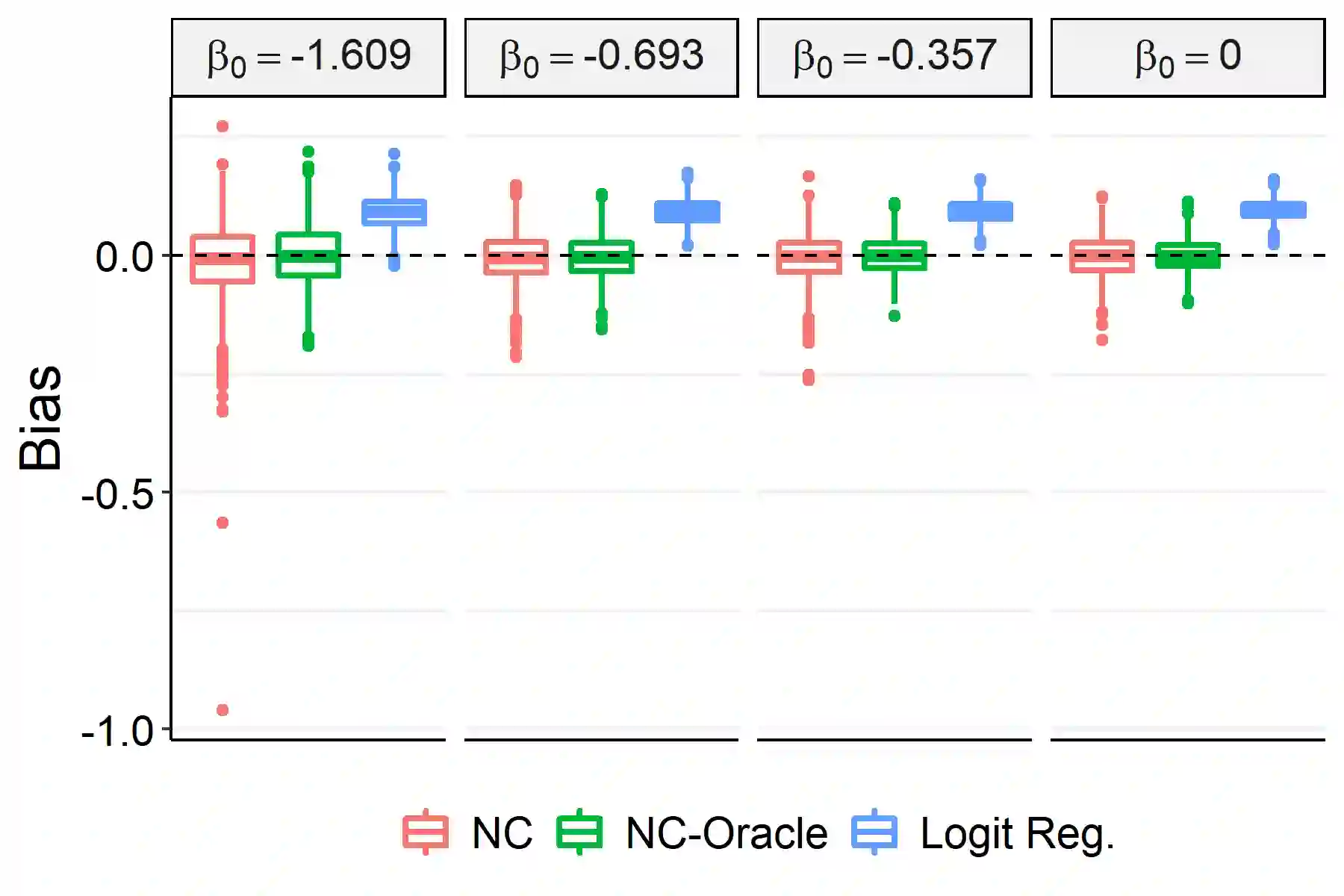
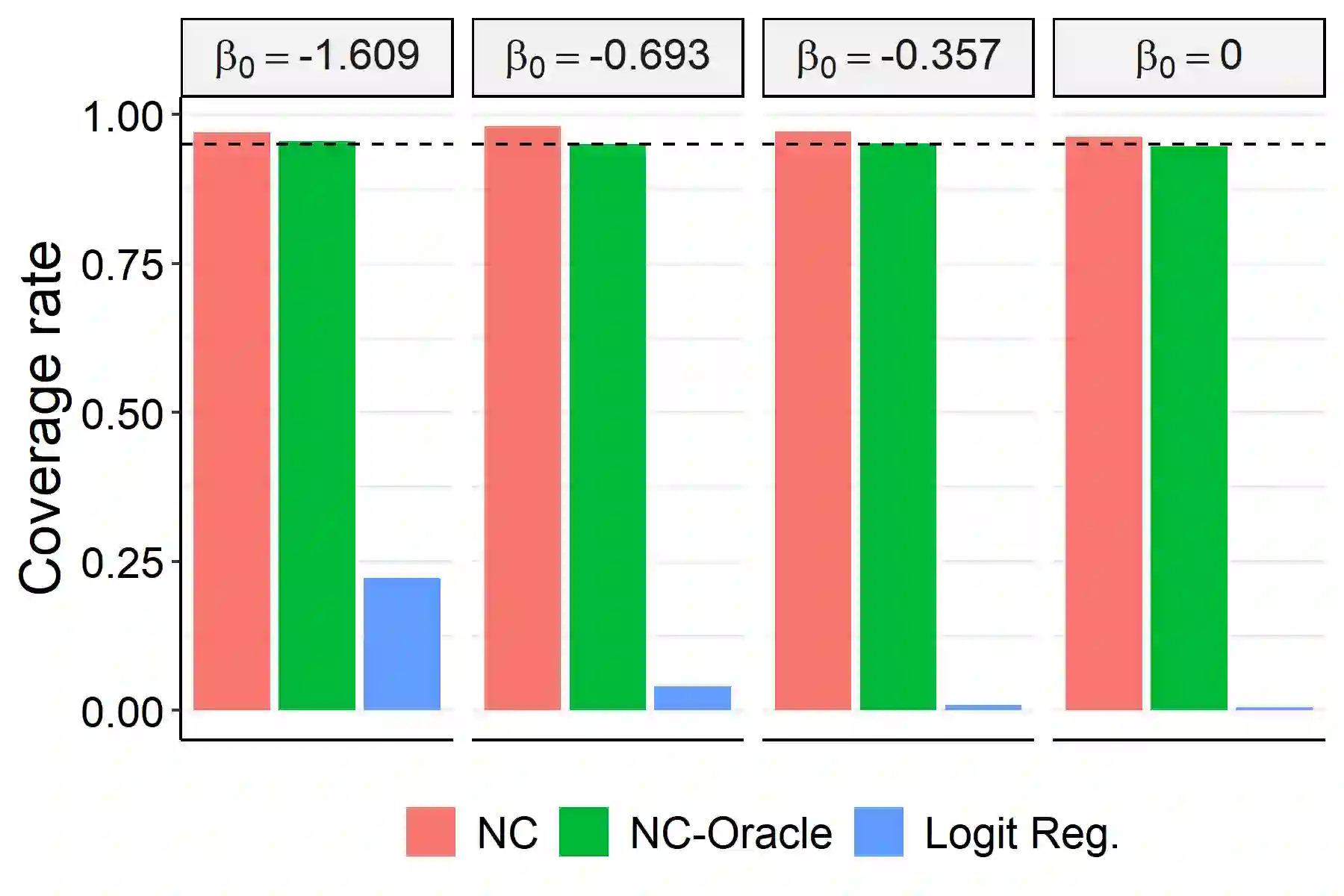
The test-negative design (TND) has become a standard approach to evaluate vaccine effectiveness against the risk of acquiring infectious diseases in real-world settings, such as Influenza, Rotavirus, Dengue fever, and more recently COVID-19. In a TND study, individuals who experience symptoms and seek care are recruited and tested for the infectious disease which defines cases and controls. Despite TND's potential to reduce unobserved differences in healthcare seeking behavior (HSB) between vaccinated and unvaccinated subjects, it remains subject to various potential biases. First, residual confounding may remain due to unobserved HSB, occupation as healthcare worker, or previous infection history. Second, because selection into the TND sample is a common consequence of infection and HSB, collider stratification bias may exist when conditioning the analysis on tested samples, which further induces confounding by latent HSB. In this paper, we present a novel approach to identify and estimate vaccine effectiveness in the target population by carefully leveraging a pair of negative control exposure and outcome variables to account for potential hidden bias in TND studies. We illustrate our proposed method with extensive simulations and an application to study COVID-19 vaccine effectiveness using data from the University of Michigan Health System.


翻译:测试阴性设计(TND)已成为评估疫苗在真实世界环境中(如流感、轮状病毒、登革热,以及近期的新冠肺炎)降低传染病感染风险效果的标准方法。在TND研究中,出现症状并寻求医疗服务的个体被招募,并通过检测传染病来确定病例组和对照组。尽管TND可能减少接种与未接种疫苗个体在就医行为(HSB)上未观测到的差异,但其仍面临多种潜在偏倚。首先,由于未观测到的HSB、医护人员职业或既往感染史,可能存在残余混杂。其次,由于进入TND样本是感染和HSB的共同结果,在将分析限定于检测样本时可能出现碰撞分层偏倚,这进一步引入潜在HSB的混杂。本文提出了一种新方法,通过谨慎利用一对阴性对照暴露和结局变量来识别和估计目标人群中的疫苗效果,以应对TND研究中潜在的隐藏偏倚。我们通过大量模拟实验以及利用密歇根大学卫生系统数据对新冠肺炎疫苗效果的应用研究,展示了所提出方法的有效性。
0
下载
关闭预览

相关内容

不可错过!700+ppt《因果推理》课程!杜克大学Fan Li教程
专知会员服务
73+阅读 · 2022年7月11日
不可错过!《机器学习100讲》课程,UBC Mark Schmidt讲授
专知会员服务
76+阅读 · 2022年6月28日
100+篇《自监督学习(Self-Supervised Learning)》论文最新合集
专知会员服务
167+阅读 · 2020年3月18日
机器学习入门的经验与建议
专知会员服务
94+阅读 · 2019年10月10日
征稿 | International Joint Conference on Knowledge Graphs (IJCKG)
开放知识图谱
2+阅读 · 2022年5月20日
Hierarchically Structured Meta-learning
CreateAMind
27+阅读 · 2019年5月22日
Transferring Knowledge across Learning Processes
CreateAMind
29+阅读 · 2019年5月18日
逆强化学习-学习人先验的动机
CreateAMind
16+阅读 · 2019年1月18日
强化学习的Unsupervised Meta-Learning
CreateAMind
18+阅读 · 2019年1月7日
Unsupervised Learning via Meta-Learning
CreateAMind
44+阅读 · 2019年1月3日
A Technical Overview of AI & ML in 2018 & Trends for 2019
待字闺中
18+阅读 · 2018年12月24日
disentangled-representation-papers
CreateAMind
26+阅读 · 2018年9月12日
【论文】变分推断(Variational inference)的总结
机器学习研究会
39+阅读 · 2017年11月16日
国家自然科学基金
0+阅读 · 2013年12月31日
国家自然科学基金
0+阅读 · 2013年12月31日
国家自然科学基金
0+阅读 · 2013年12月31日
国家自然科学基金
0+阅读 · 2013年12月31日
国家自然科学基金
0+阅读 · 2011年12月31日
国家自然科学基金
0+阅读 · 2009年12月31日
国家自然科学基金
0+阅读 · 2008年12月31日
Arxiv
0+阅读 · 2023年4月27日
Arxiv
15+阅读 · 2020年12月17日
VIP会员
最新内容
《通过小型无人机系统将情报能力“作战化”》
消耗优势:美军的“精确规模化”概念
专知会员服务
8+阅读 · 6月15日
《离线语言支持系统:面向空战战术决策》
专知会员服务
8+阅读 · 6月15日
相关资讯
征稿 | International Joint Conference on Knowledge Graphs (IJCKG)
开放知识图谱
2+阅读 · 2022年5月20日
Hierarchically Structured Meta-learning
CreateAMind
27+阅读 · 2019年5月22日
Transferring Knowledge across Learning Processes
CreateAMind
29+阅读 · 2019年5月18日
逆强化学习-学习人先验的动机
CreateAMind
16+阅读 · 2019年1月18日
强化学习的Unsupervised Meta-Learning
CreateAMind
18+阅读 · 2019年1月7日
Unsupervised Learning via Meta-Learning
CreateAMind
44+阅读 · 2019年1月3日
A Technical Overview of AI & ML in 2018 & Trends for 2019
待字闺中
18+阅读 · 2018年12月24日
disentangled-representation-papers
CreateAMind
26+阅读 · 2018年9月12日
【论文】变分推断(Variational inference)的总结
机器学习研究会
39+阅读 · 2017年11月16日
相关基金
国家自然科学基金
0+阅读 · 2013年12月31日
国家自然科学基金
0+阅读 · 2013年12月31日
国家自然科学基金
0+阅读 · 2013年12月31日
国家自然科学基金
0+阅读 · 2013年12月31日
国家自然科学基金
0+阅读 · 2011年12月31日
国家自然科学基金
0+阅读 · 2009年12月31日
国家自然科学基金
0+阅读 · 2008年12月31日
Top
微信扫码咨询专知VIP会员