

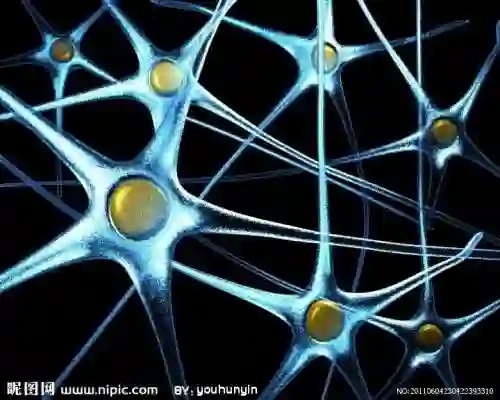
From their inception in the 1950s, artificial neural networks (ANNs) started using the so-called point neuron model then prevalent in neuroscience, hoping that this analogy would allow for a better emulation of brain function. Over the years the neuroscience literature has shown that the point neuron model is too simplistic to properly represent many fundamental neural processes; however, the standard neuron model in ANNs still remains the same. Here we substitute it by a very recent model of cortical cells and demonstrate through theoretical analyses and experimental results how, simply by using a more realistic neural unit element without augmenting the number of parameters, the resulting ANNs offer a number of important advantages that include increases in expressivity, robustness and learning speed, and a reduction in memorization and the amount of training data needed.
翻译:自20世纪50年代诞生以来,人工神经网络(ANN)便开始采用当时神经科学中盛行的所谓点神经元模型,期望这种类比能更好地模拟大脑功能。然而,多年来的神经科学文献表明,点神经元模型过于简单,无法恰当表征许多基本神经过程;但ANN中的标准神经元模型至今仍保持不变。在此,我们用一个最新的皮层细胞模型替代现有模型,并通过理论分析与实验结果表明,仅仅通过使用一个更切合实际的神经单元,且不增加参数数量,由此产生的ANN即可提供若干重要优势,包括增强的表达力、鲁棒性和学习速度,同时减少记忆化现象以及所需训练数据量。




相关内容



 微信扫码咨询专知VIP会员