

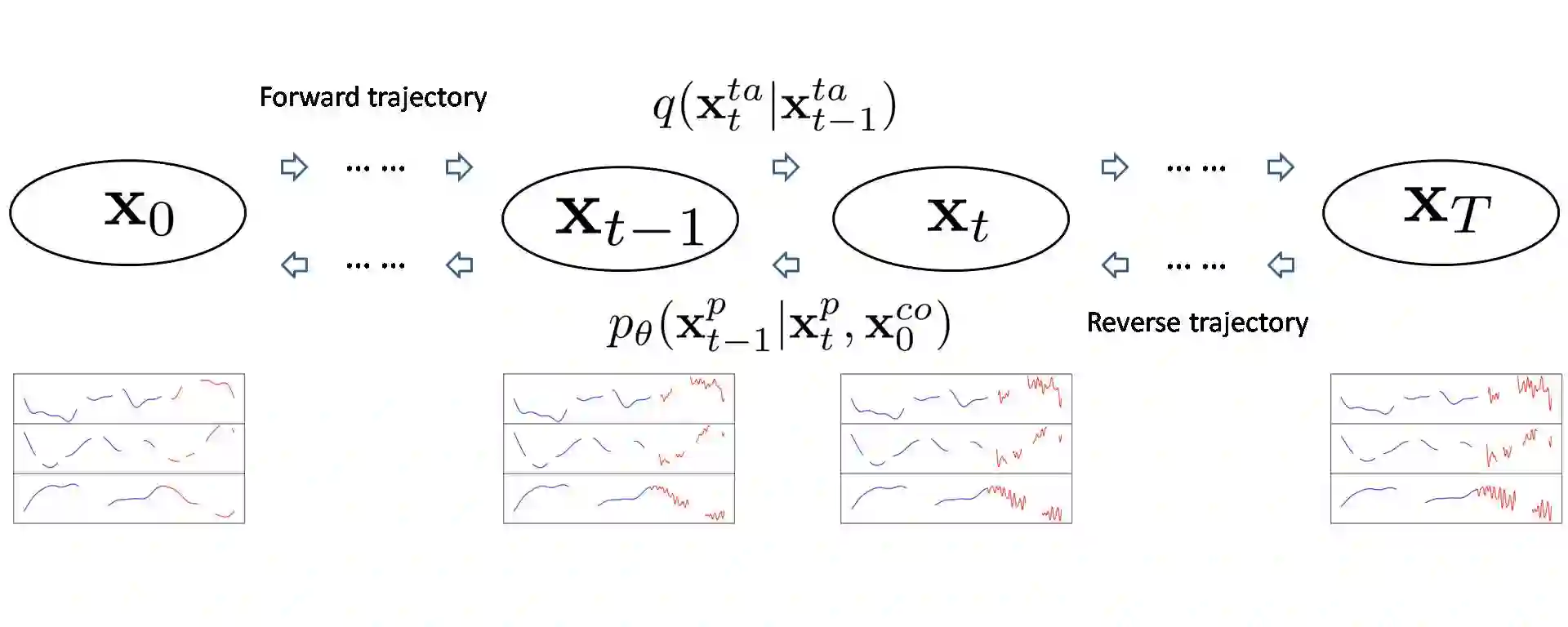
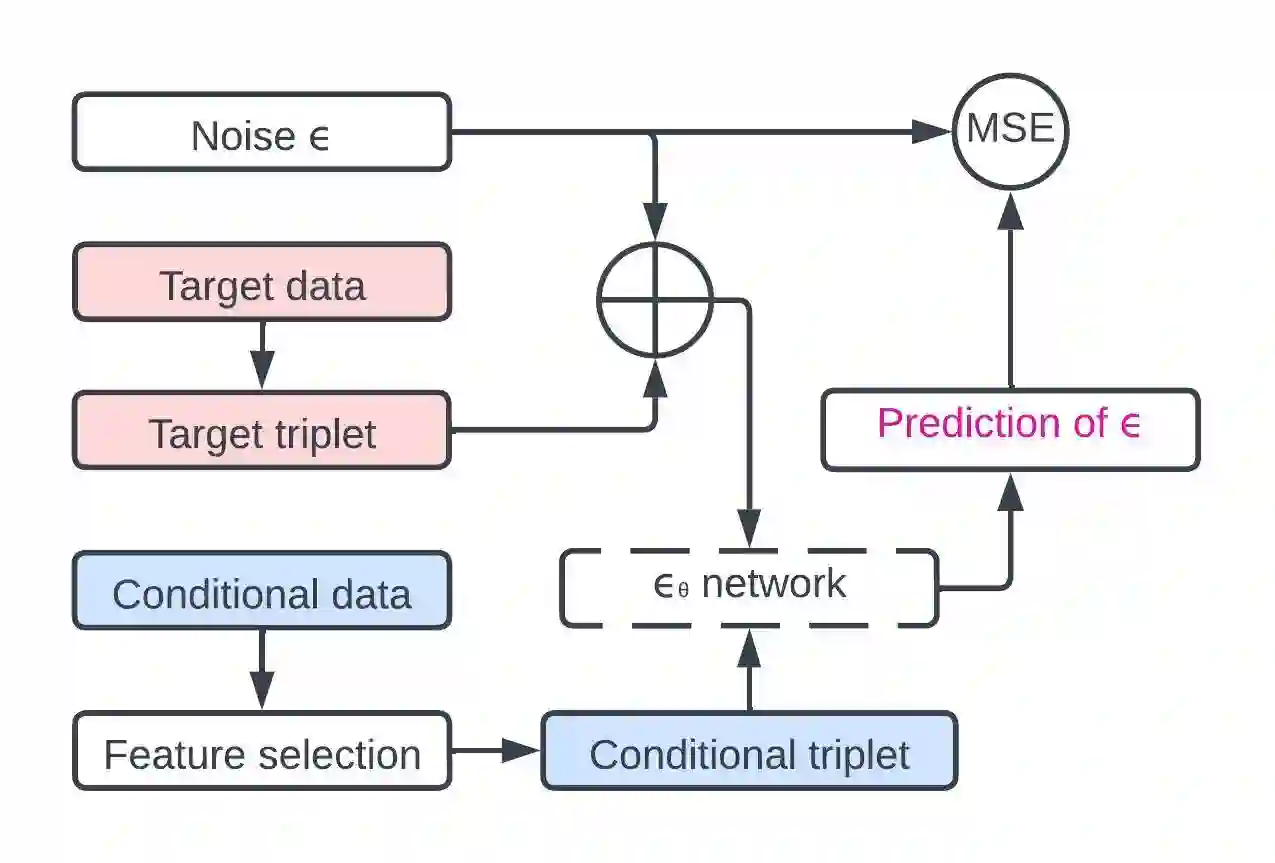
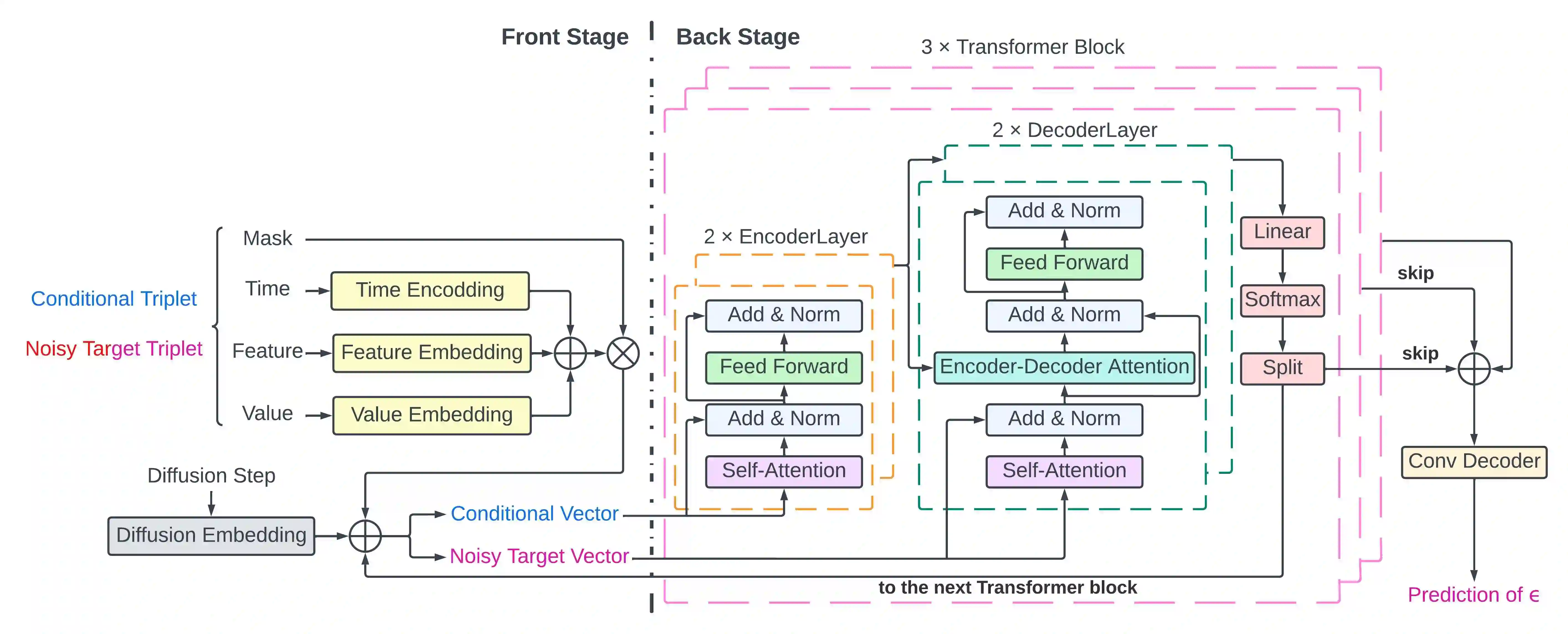
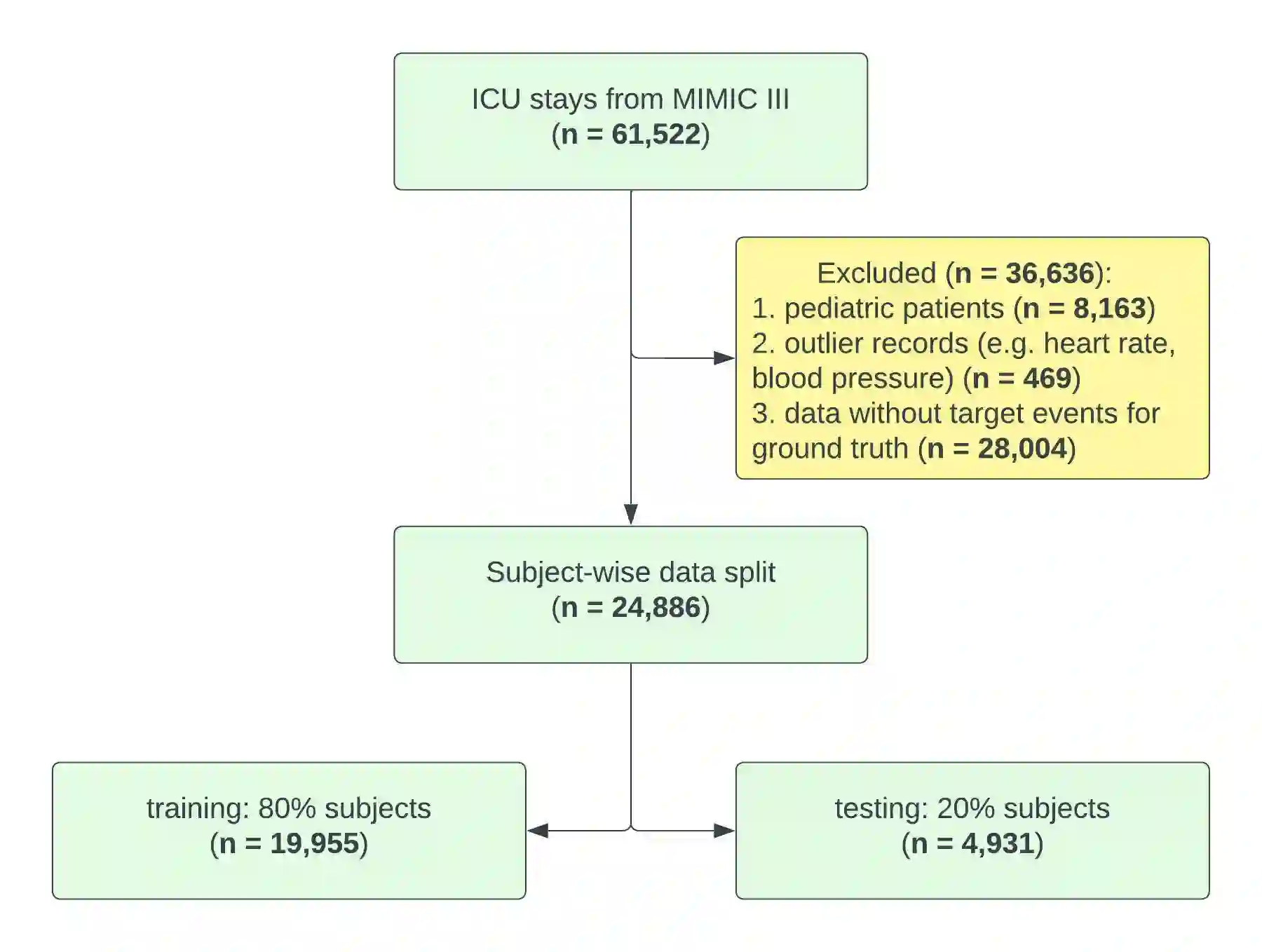
Background and Objective: Vital sign monitoring in the Intensive Care Unit (ICU) is crucial for enabling prompt interventions for patients. This underscores the need for an accurate predictive system. Therefore, this study proposes a novel deep learning approach for forecasting Heart Rate (HR), Systolic Blood Pressure (SBP), and Diastolic Blood Pressure (DBP) in the ICU. Methods: We extracted $24,886$ ICU stays from the MIMIC-III database which contains data from over $46$ thousand patients, to train and test the model. The model proposed in this study, Transformer-based Diffusion Probabilistic Model for Sparse Time Series Forecasting (TDSTF), merges Transformer and diffusion models to forecast vital signs. The TDSTF model showed state-of-the-art performance in predicting vital signs in the ICU, outperforming other models' ability to predict distributions of vital signs and being more computationally efficient. The code is available at https://github.com/PingChang818/TDSTF. Results: The results of the study showed that TDSTF achieved a Standardized Average Continuous Ranked Probability Score (SACRPS) of $0.4438$ and a Mean Squared Error (MSE) of $0.4168$, an improvement of $18.9\%$ and $34.3\%$ over the best baseline model, respectively. The inference speed of TDSTF is more than $17$ times faster than the best baseline model. Conclusion: TDSTF is an effective and efficient solution for forecasting vital signs in the ICU, and it shows a significant improvement compared to other models in the field.
翻译:背景与目的:重症监护病房(ICU)中的生命体征监测对于及时干预患者至关重要,这凸显了构建精确预测系统的必要性。因此,本研究提出了一种新颖的深度学习方法来预测ICU中的心率(HR)、收缩压(SBP)和舒张压(DBP)。方法:我们从包含超过46,000名患者数据的MIMIC-III数据库中提取了24,886次ICU住院记录,用于训练和测试模型。本研究提出的模型——基于Transformer的稀疏时间序列预测扩散概率模型(TDSTF),融合了Transformer和扩散模型来预测生命体征。TDSTF模型在ICU生命体征预测中展现了最先进的性能,在预测生命体征分布方面优于其他模型,且计算效率更高。代码已开源至https://github.com/PingChang818/TDSTF。结果:研究结果表明,TDSTF实现了标准化平均连续排名概率得分(SACRPS)为0.4438,均方误差(MSE)为0.4168,较最佳基线模型分别提升了18.9%和34.3%。TDSTF的推理速度比最佳基线模型快17倍以上。结论:TDSTF是一种有效且高效的ICU生命体征预测解决方案,相较于该领域的其他模型表现出显著改进。




相关内容




 微信扫码咨询专知VIP会员