

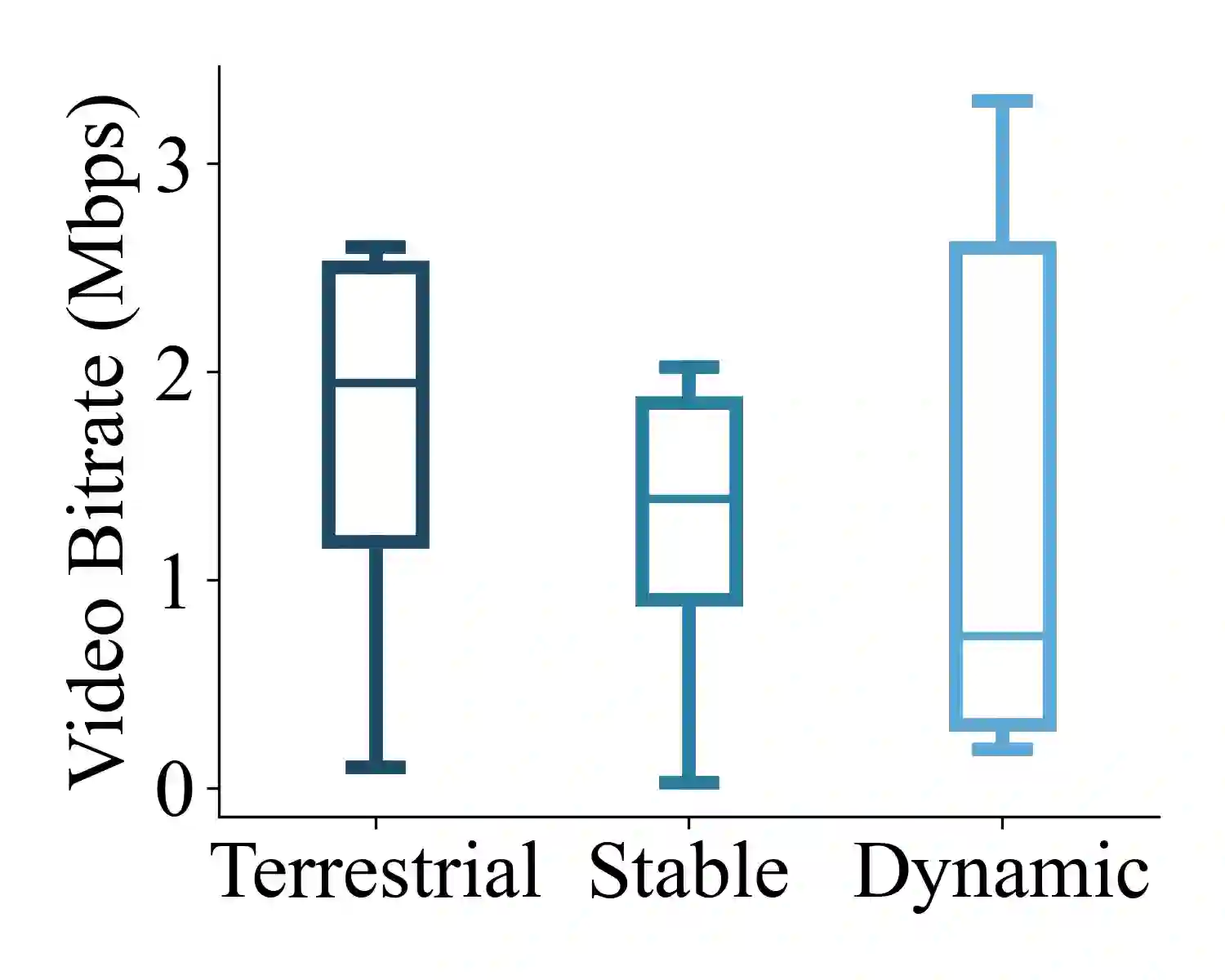
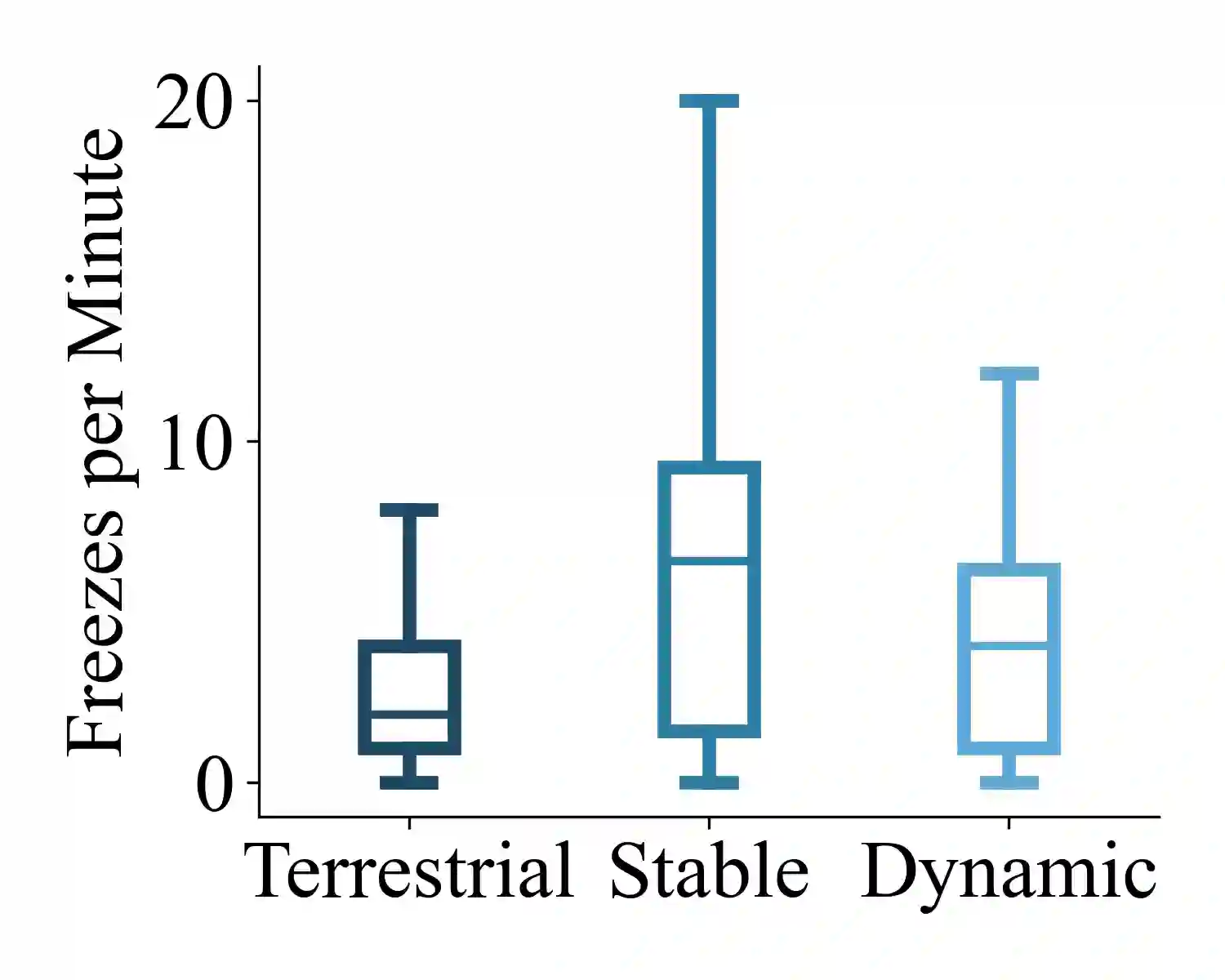
Google's congestion control (GCC) has become a cornerstone for real-time video and audio communication, yet its performance remains fragile in emerging Low Earth Orbit (LEO) networks. In this paper, we study the behavior of videoconferencing systems in LEO constellations. We observe that video quality degrades due to inherent delays and network instability introduced by the high altitude and rapid movement of LEO satellites, with these effects exacerbated by WebRTC's conventional "one-size-fits-all" sender-side pacing queue management. To address these challenges, we introduce a data-driven queue management mechanism that tunes the maximum pacing queue capacity based on predicted handover activity, minimizing latency during no-handover periods and prioritizing stability when entering periods of increased handover activity. Our method yields up to 3x improvements in video bitrate and reduces freeze rate by 62% in emulation, while delivering up to a 41% reduction in freeze rate and 40% decrease in mean packet loss on real Starlink constellations compared to WebRTC's default pacing queue policy.
翻译:谷歌拥塞控制算法已成为实时音视频通信的基石,但其性能在新型低地球轨道网络中仍显脆弱。本文研究了视频会议系统在LEO星座中的表现。我们观察到,由于LEO卫星的高轨道高度和快速运动所固有的延迟和网络不稳定性,视频质量会下降,而WebRTC传统“一刀切”的发送端队列管理机制加剧了这些影响。为应对这些挑战,我们提出一种数据驱动的队列管理机制,该机制基于预测的切换活动动态调整最大发送队列容量:在无切换阶段最小化延迟,在进入切换活跃期时优先保障稳定性。仿真实验表明,我们的方法将视频码率提升最高达3倍,冻结率降低62%;在实际星链星座中,与WebRTC默认队列策略相比,冻结率降低最高达41%,平均丢包率减少40%。







相关内容





 微信扫码咨询专知VIP会员