

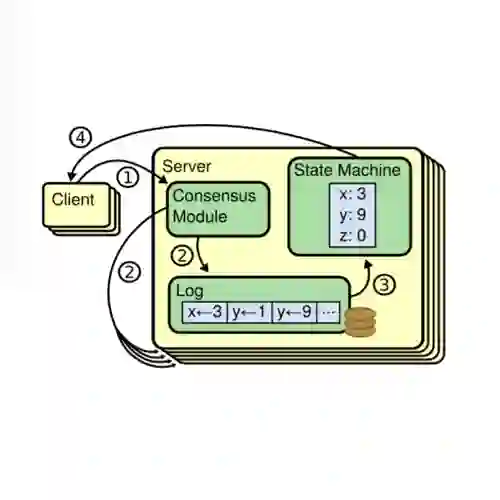
Blockchain-based IoT systems can manage IoT devices and achieve a high level of data integrity, security, and provenance. However, incorporating existing consensus protocols in many IoT systems limits scalability and leads to high computational cost and consensus latency. In addition, location-centric characteristics of many IoT applications paired with limited storage and computing power of IoT devices bring about more limitations, primarily due to the location-agnostic designs in blockchains. We propose a hierarchical and location-aware consensus protocol (LH-Raft) for IoT-blockchain applications inspired by the original Raft protocol to address these limitations. The proposed LH-Raft protocol forms local consensus candidate groups based on nodes' reputation and distance to elect the leaders in each sub-layer blockchain. It utilizes a threshold signature scheme to reach global consensus and the local and global log replication to maintain consistency for blockchain transactions. To evaluate the performance of LH-Raft, we first conduct an extensive numerical analysis based on the proposed reputation mechanism and the candidate group formation model. We then compare the performance of LH-Raft against the classical Raft protocol from both theoretical and experimental perspectives. We evaluate the proposed threshold signature scheme using Hyperledger Ursa cryptography library to measure various consensus nodes' signing and verification time. Experimental results show that the proposed LH-Raft protocol is scalable for large IoT applications and significantly reduces the communication cost, consensus latency, and agreement time for consensus processing.
翻译:基于区块链的物联网系统能够管理物联网设备,并实现高水平的数据完整性、安全性和可追溯性。然而,在众多物联网系统中采用现有共识协议会限制可扩展性,并导致高计算成本和共识延迟。此外,许多物联网应用以位置为中心的特性,结合物联网设备有限的存储和计算能力,带来了更多限制——这主要源于区块链中忽视位置感知的设计。针对上述限制,受原始Raft协议启发,我们提出了一种面向物联网-区块链应用的分层位置感知共识协议(LH-Raft)。所提出的LH-Raft协议基于节点的信誉和距离形成局部共识候选组,以选举各子层区块链的领导者。该协议利用阈值签名方案达成全局共识,并通过局部与全局日志复制维护区块链交易的一致性。为评估LH-Raft的性能,我们首先基于所提出的信誉机制和候选组形成模型进行了广泛的数值分析。随后,我们从理论和实验两个维度将LH-Raft与经典Raft协议进行性能对比。通过使用Hyperledger Ursa密码学库评估所提出的阈值签名方案,我们测量了不同共识节点的签名与验证时间。实验结果表明,所提出的LH-Raft协议能够适应大型物联网应用,并显著降低共识处理中的通信成本、共识延迟与达成一致时间。




相关内容




 微信扫码咨询专知VIP会员