

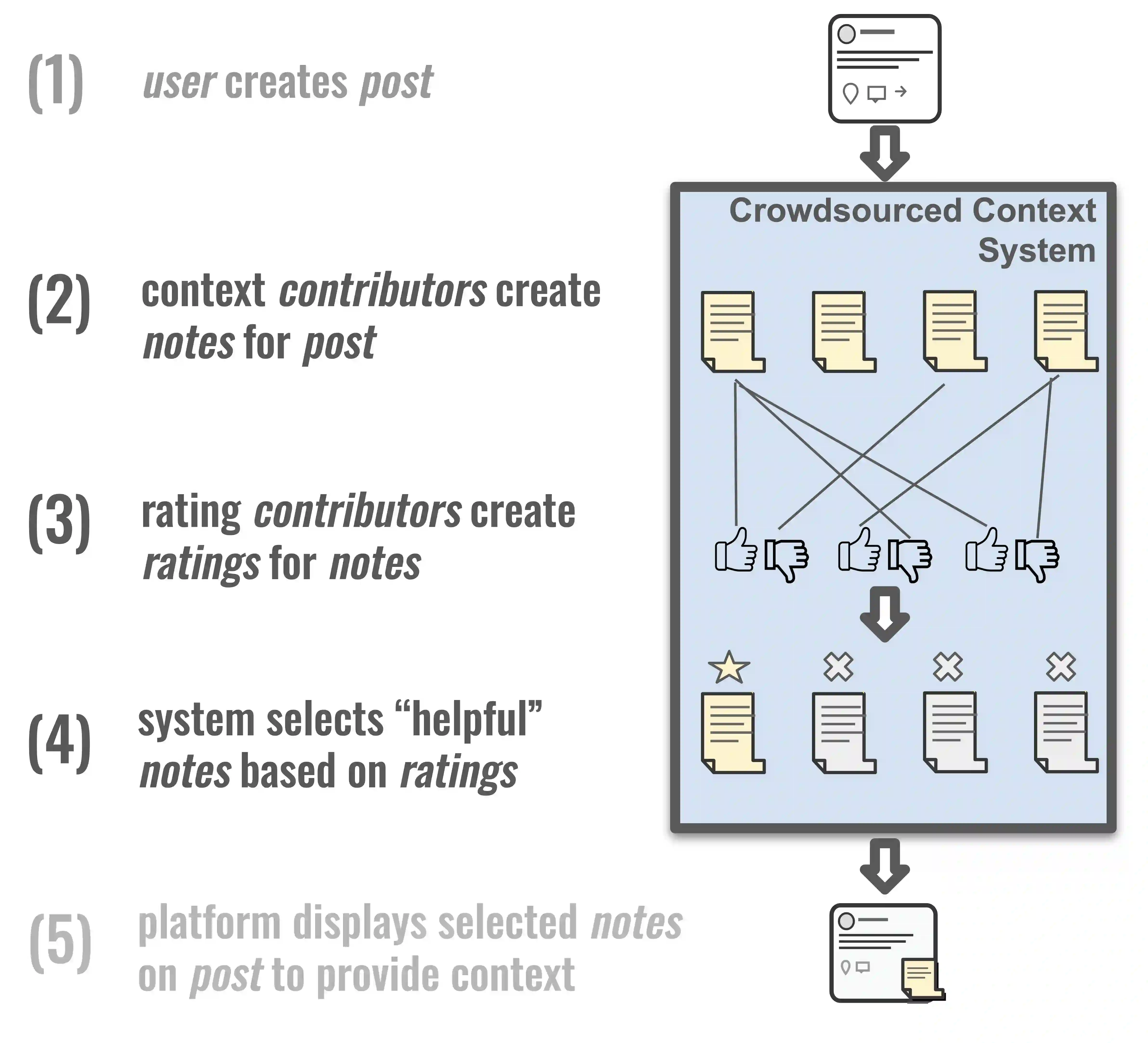
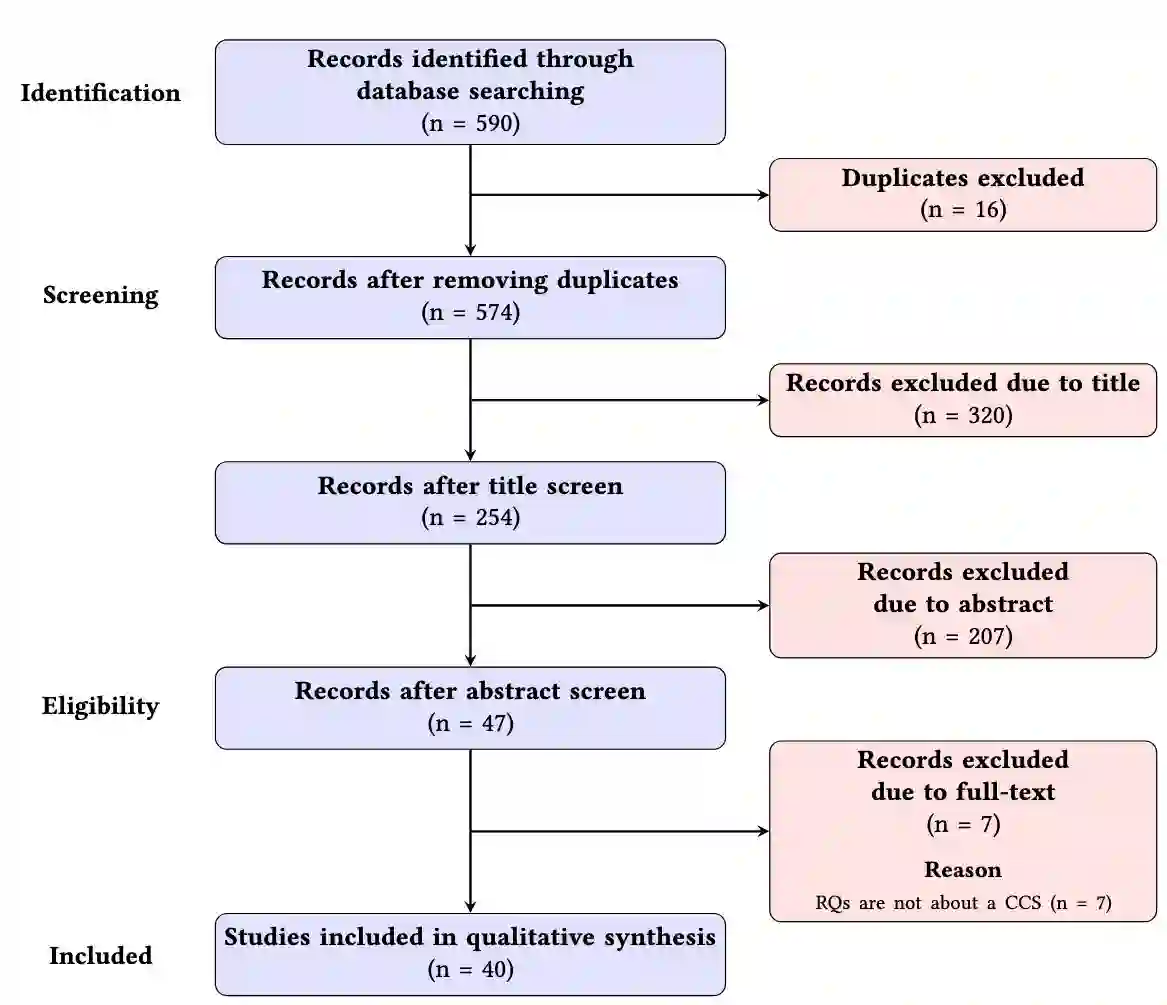
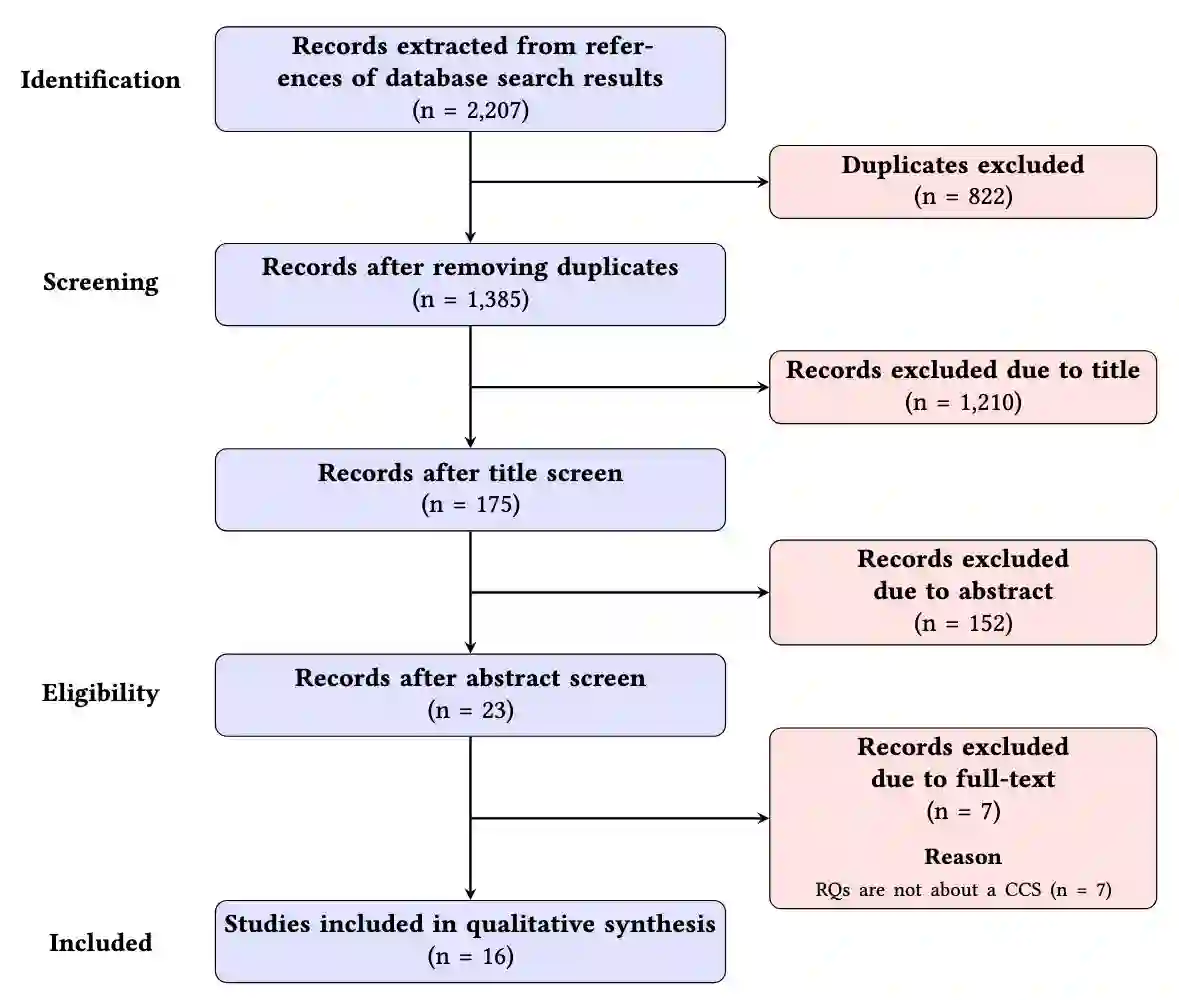
Social media platforms are increasingly adopting features that display crowdsourced context alongside posts, a technique pioneered by X's Community Notes. These systems -- which we term Crowdsourced Context Systems (CCS) -- have the potential to reshape the information ecosystem as major platforms embrace them as alternatives to professional fact-checking. To understand the features and implications of these systems, we conduct a systematic literature review of existing CCS research (n=56) and analyze real-world CCS implementations. Based on our analysis, we develop a framework with two components. First, we present a theoretical model to conceptualize and define CCS. Second, we identify a design space encompassing six aspects: participation, inputs, curation, presentation, platform treatment, and transparency. We also surface normative implications of different CCS design and implementation choices. Our work integrates theoretical, design, and ethical perspectives to establish a foundation for future human-centered research on Crowdsourced Context Systems.
翻译:社交媒体平台正日益采用在帖子旁展示众包上下文的功能,这一技术由X平台的社区笔记首创。这些系统——我们称之为众包上下文系统(CCS)——随着主要平台将其作为专业事实核查的替代方案而采用,具有重塑信息生态系统的潜力。为理解这些系统的特性与影响,我们对现有CCS研究(n=56)进行了系统性文献综述,并分析了实际部署的CCS案例。基于分析,我们构建了一个包含两个组成部分的框架:首先,我们提出了用于概念化与定义CCS的理论模型;其次,我们识别出涵盖六个维度的设计空间:参与机制、输入内容、策展流程、呈现形式、平台处理方式及透明度规范。我们还揭示了不同CCS设计与实施选择所引发的规范性影响。本研究整合理论、设计与伦理视角,为未来开展以人为中心的众包上下文系统研究奠定了理论基础。






相关内容



 微信扫码咨询专知VIP会员