

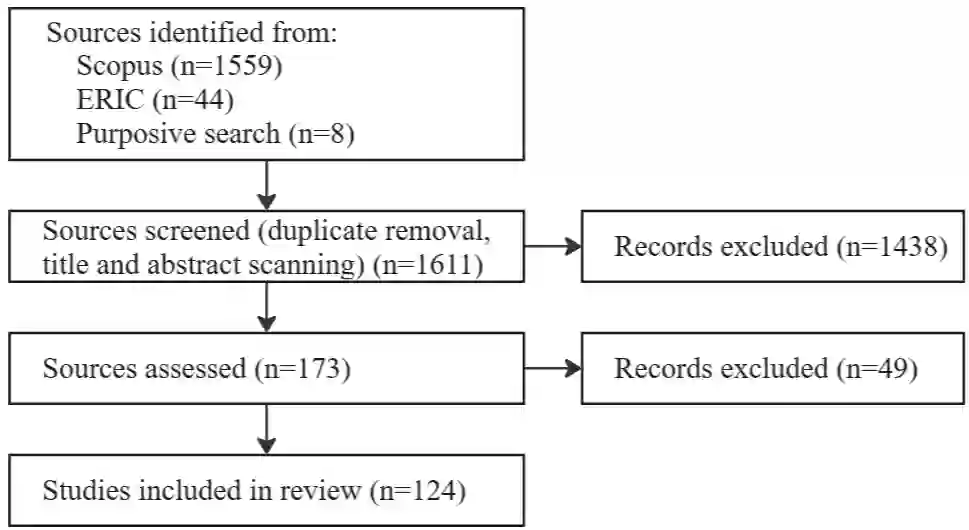
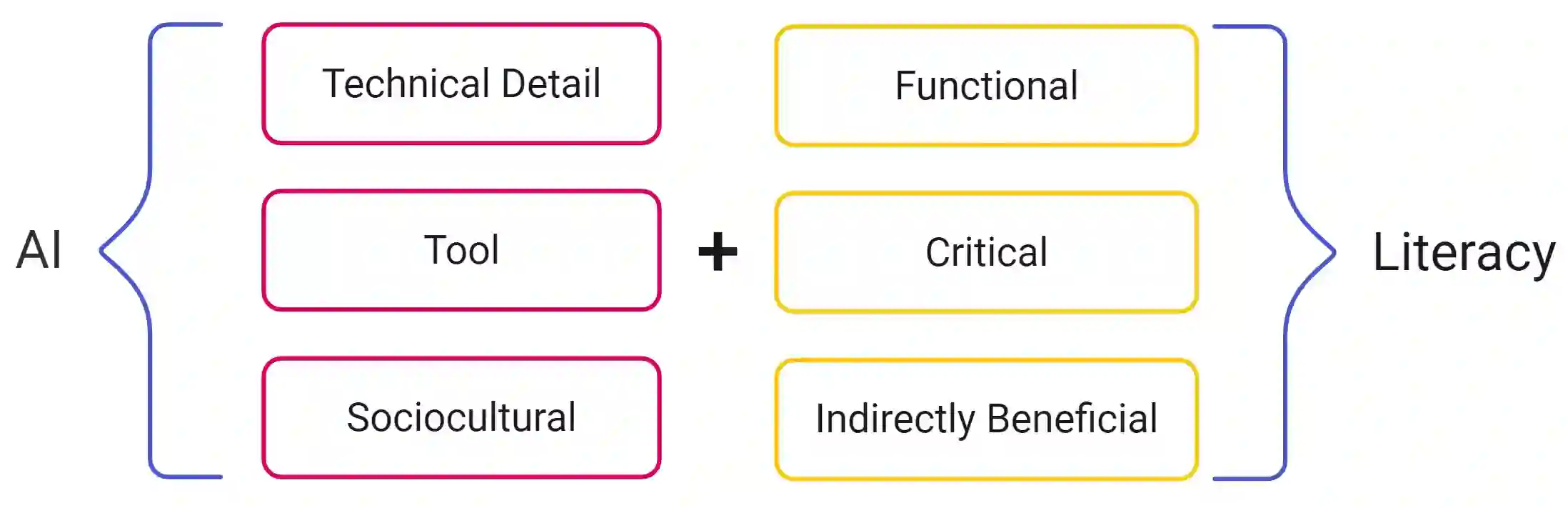
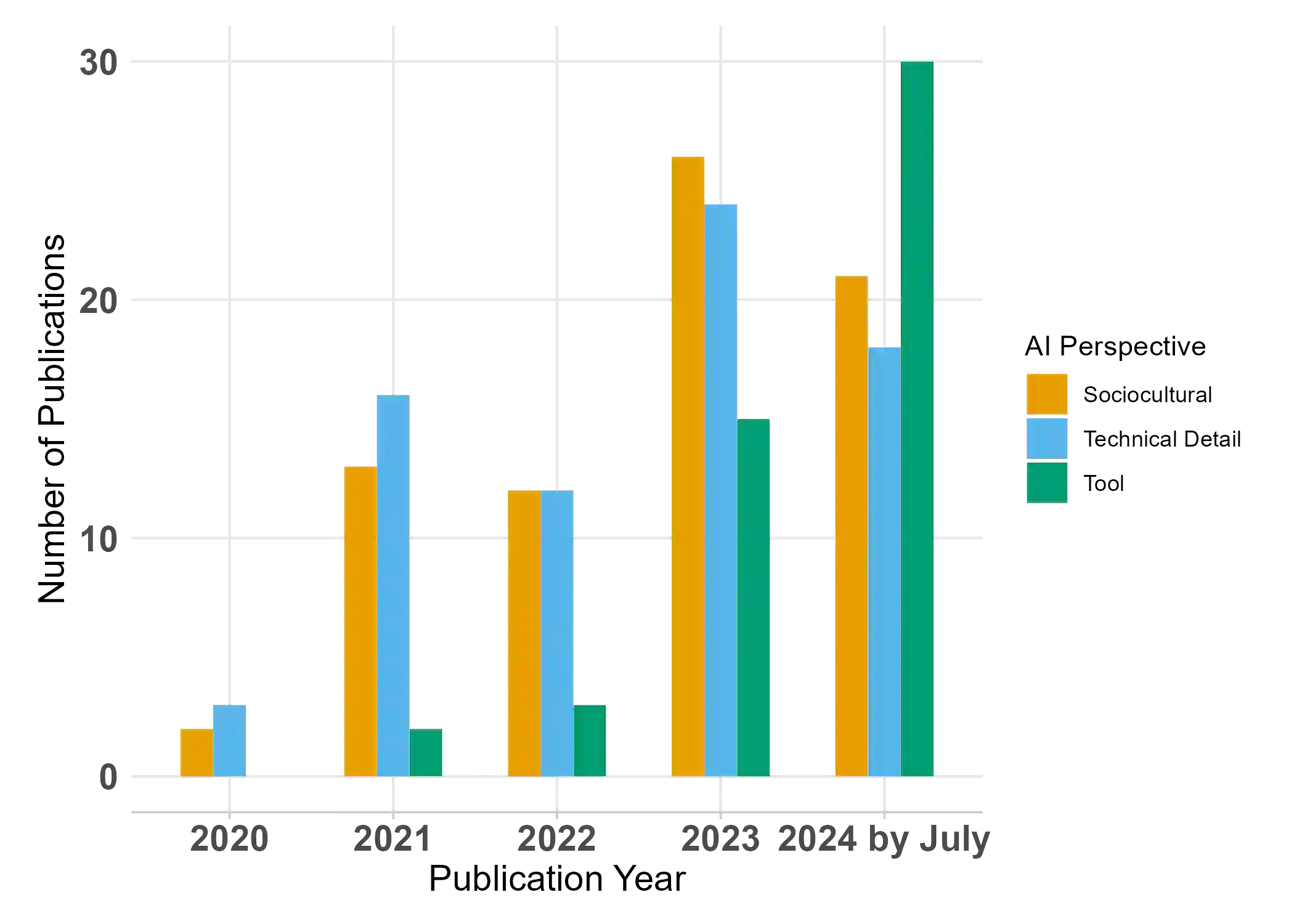
Even though AI literacy has emerged as a prominent education topic in the wake of generative AI, its definition remains vague. There is little consensus among researchers and practitioners on how to discuss and design AI literacy interventions. The term has been used to describe both learning activities that train undergraduate students to use ChatGPT effectively and having kindergarten children interact with social robots. This paper applies an integrative review method to examine empirical and theoretical AI literacy studies published since 2020. In synthesizing the 124 reviewed studies, three ways to conceptualize literacy-functional, critical, and indirectly beneficial-and three perspectives on AI-technical detail, tool, and sociocultural-were identified, forming a framework that reflects the spectrum of how AI literacy is approached in practice. The framework highlights the need for more specialized terms within AI literacy discourse and indicates research gaps in certain AI literacy objectives.
翻译:尽管在生成式人工智能兴起后,人工智能素养已成为教育领域的重要议题,但其定义仍模糊不清。研究者与实践者对于如何讨论和设计人工智能素养培养方案尚未形成广泛共识。这一术语既被用于描述培训本科生有效使用ChatGPT的学习活动,亦被用以指代幼儿园儿童与社交机器人的互动。本文采用整合性综述方法,系统检视2020年以来发表的实证性与理论性人工智能素养研究。通过对124项文献的整合分析,研究识别出三种素养概念化路径——功能性、批判性与间接获益性,以及三种人工智能认知视角——技术细节、工具性与社会文化性,由此构建出一个反映人工智能素养实践光谱的框架。该框架揭示了人工智能素养论述中需要更专业化术语的迫切性,并指出了特定人工智能素养目标领域存在的研究空白。




相关内容




 微信扫码咨询专知VIP会员