

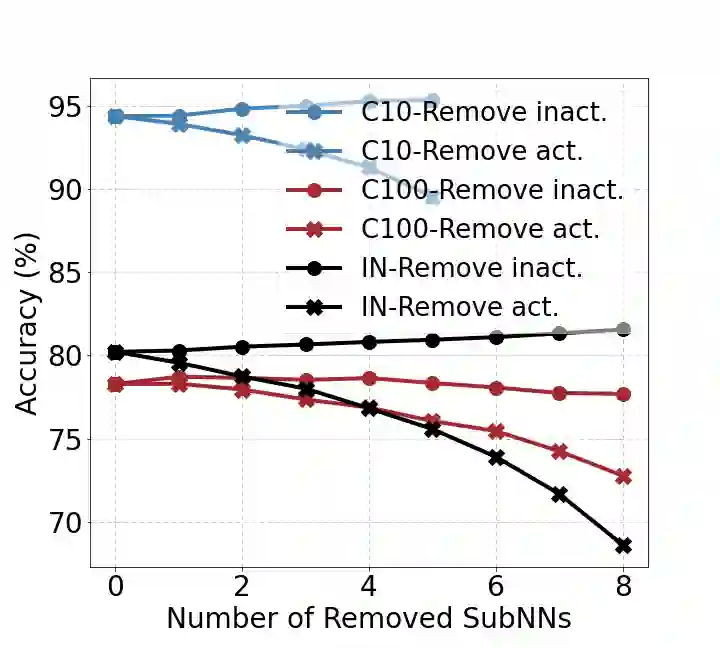
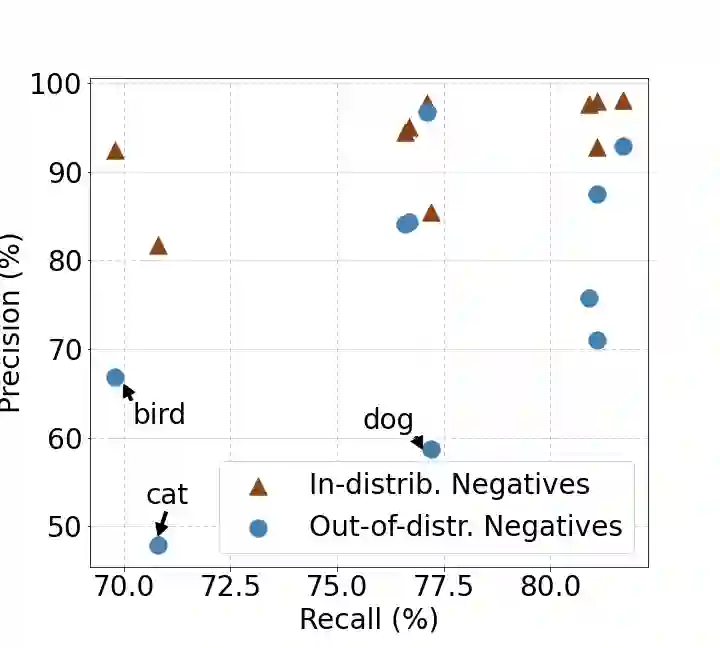
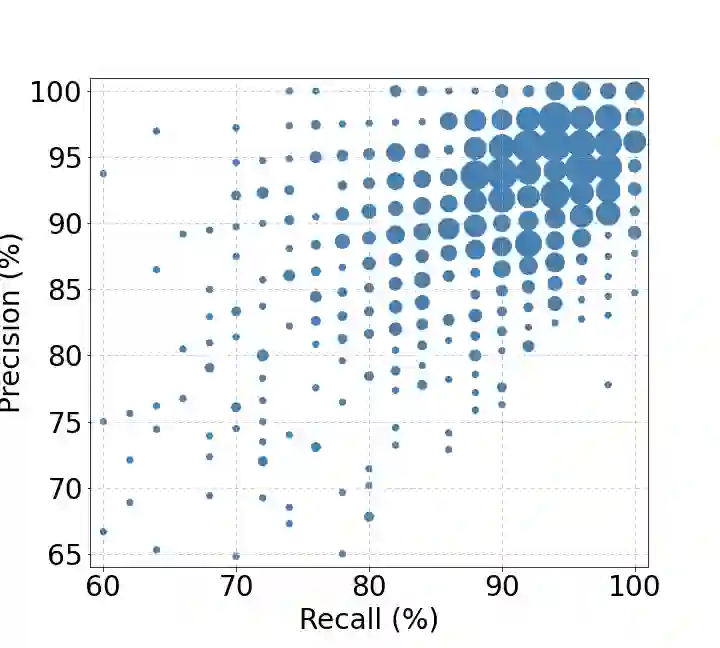
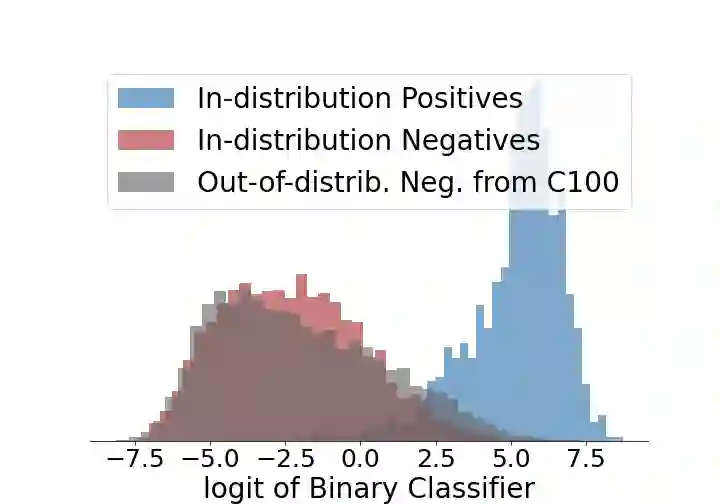
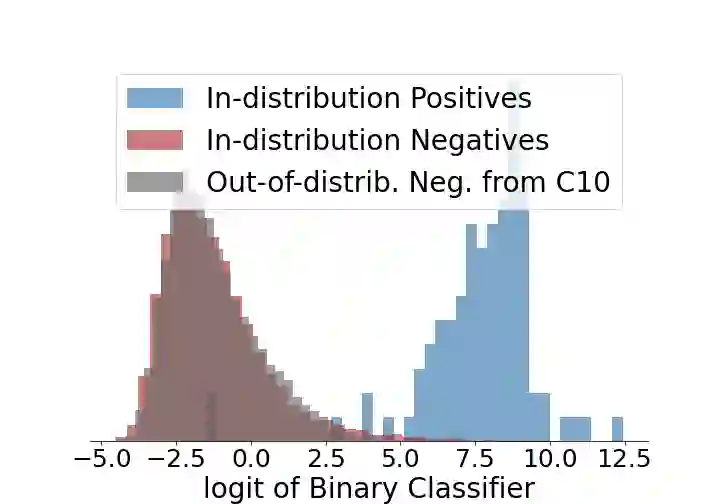
The conventional, widely used treatment of deep learning models as black boxes provides limited or no insights into the mechanisms that guide neural network decisions. Significant research effort has been dedicated to building interpretable models to address this issue. Most efforts either focus on the high-level features associated with the last layers, or attempt to interpret the output of a single layer. In this paper, we take a novel approach to enhance the transparency of the function of the whole network. We propose a neural network architecture for classification, in which the information that is relevant to each class flows through specific paths. These paths are designed in advance before training leveraging coding theory and without depending on the semantic similarities between classes. A key property is that each path can be used as an autonomous single-purpose model. This enables us to obtain, without any additional training and for any class, a lightweight binary classifier that has at least $60\%$ fewer parameters than the original network. Furthermore, our coding theory based approach allows the neural network to make early predictions at intermediate layers during inference, without requiring its full evaluation. Remarkably, the proposed architecture provides all the aforementioned properties while improving the overall accuracy. We demonstrate these properties on a slightly modified ResNeXt model tested on CIFAR-10/100 and ImageNet-1k.
翻译:传统的深度学习模型常被当作黑箱处理,这几乎无法揭示指导神经网络决策的机制。大量研究工作致力于构建可解释模型来解决这一问题,然而现有努力多聚焦于最后一层的高层特征,或试图解释单层输出。本文提出一种增强整个网络功能透明度的新方法:我们设计了一种用于分类的神经网络架构,其中与每个类别相关的信息通过特定路径流动。这些路径在训练前借助编码理论预先设计,且不依赖于类别间的语义相似性。其关键特性在于,每条路径可作为独立的单用途模型使用。这使得我们无需额外训练即可为任意类别获得轻量级二分类器,其参数量比原始网络减少至少60%。此外,基于编码理论的方法允许神经网络在推理过程中从中间层进行早期预测,无需完成完整评估。值得关注的是,所提出的架构在提升整体准确率的同时实现了上述所有特性。我们在CIFAR-10/100和ImageNet-1k数据集上对略作修改的ResNeXt模型进行了验证,结果证明了这些特性。




相关内容





 微信扫码咨询专知VIP会员