

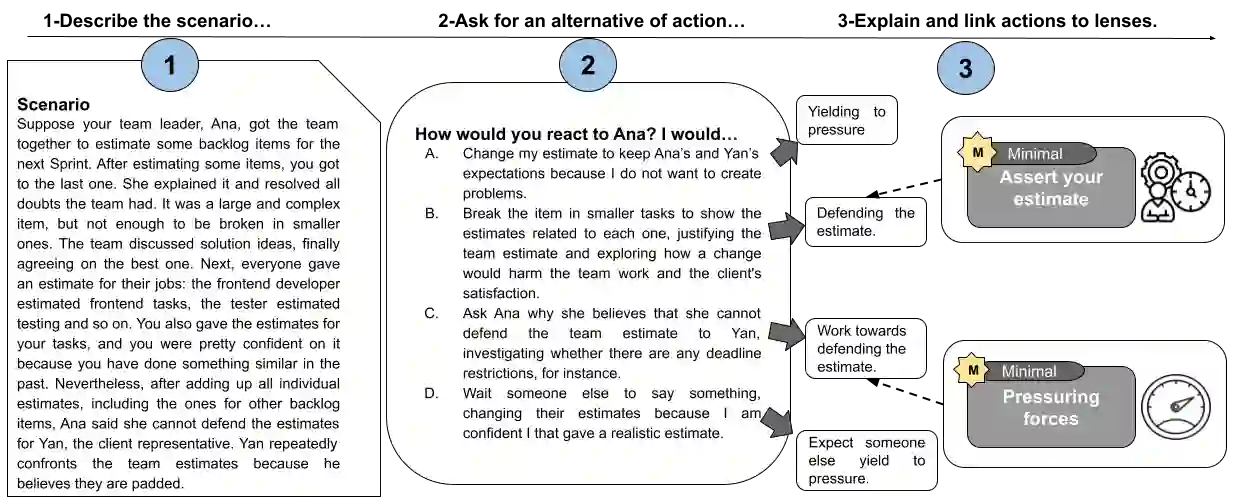
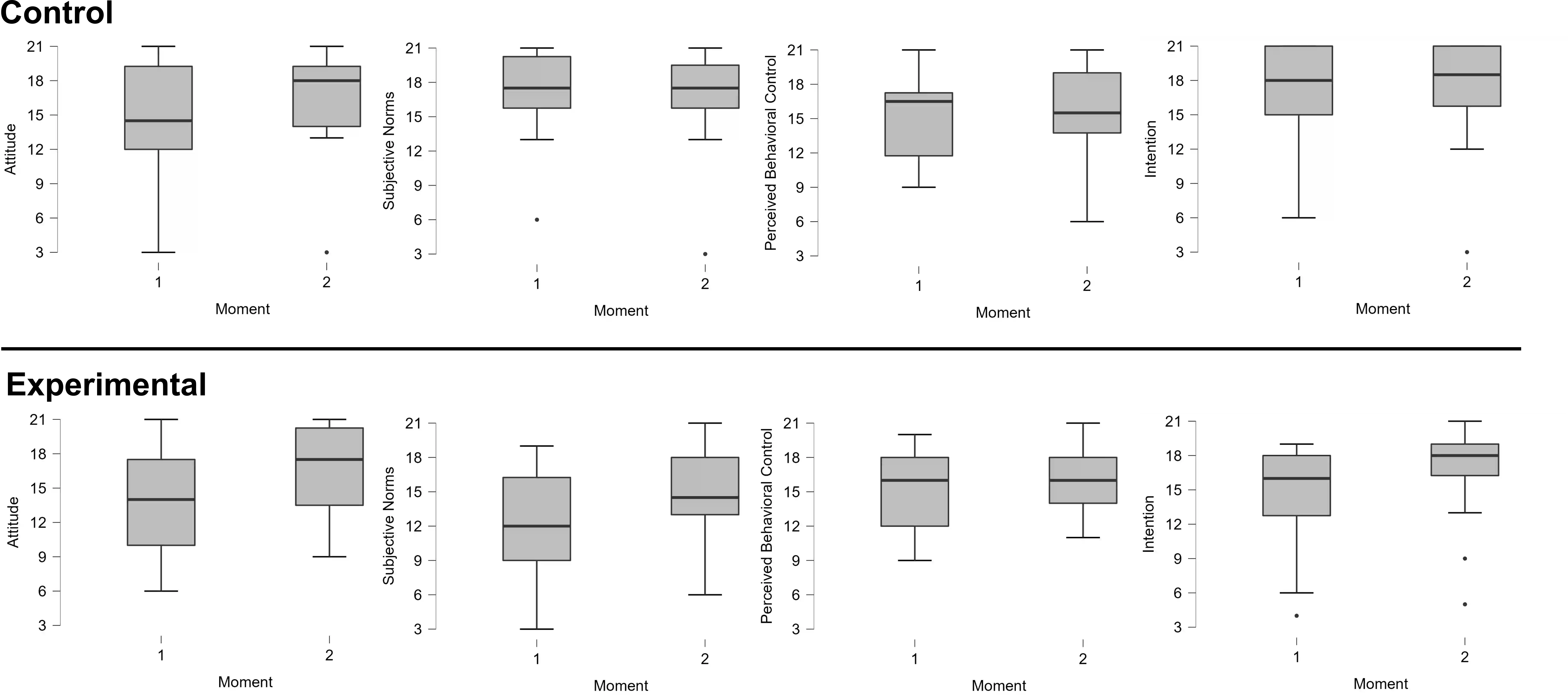
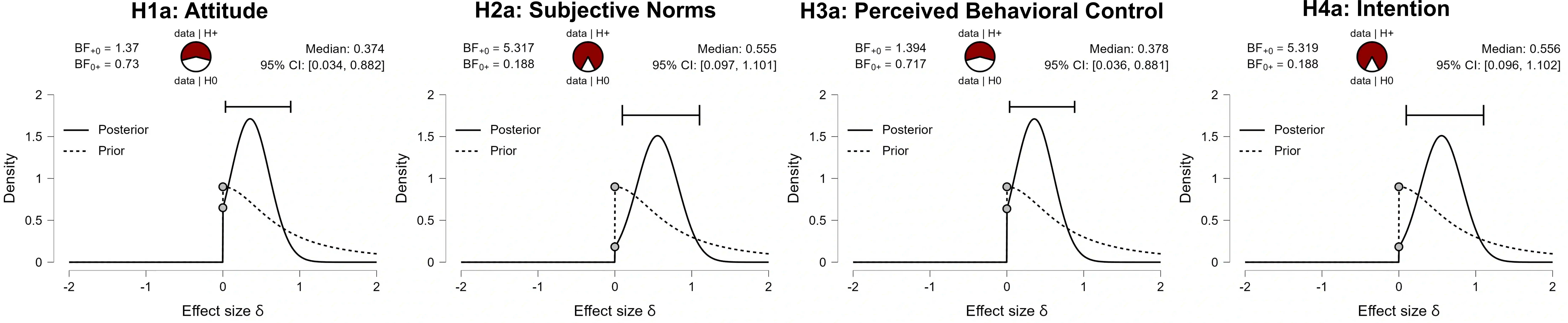
Pressure for higher productivity and faster delivery is increasingly pervading software organizations. This can lead software engineers to act like chess players playing a gambit -- making sacrifices of their technically sound estimates, thus submitting their teams to time pressure. In turn, time pressure can have varied detrimental effects, such as poor product quality and emotional distress, decreasing productivity, which leads to more time pressure and delays: a hard-to-stop vicious cycle. This reveals a need for moving on from the more passive strategy of yielding to pressure to a more active one of defending software estimates. Therefore, we propose an approach to support software estimators in acquiring knowledge on how to carry out such defense, by introducing negotiation principles encapsulated in a set of defense lenses, presented through a digital simulation. We evaluated the proposed approach through a controlled experiment with software practitioners from different companies. We collected data on participants' attitudes, subjective norms, perceived behavioral control, and intentions to perform the defense of their estimates in light of the Theory of Planned Behavior. We employed a frequentist and a bayesian approach to data analysis. Results show improved scores among experimental group participants after engaging with the digital simulation and learning about the lenses. They were also more inclined to choose a defense action when facing pressure scenarios than a control group exposed to questions to reflect on the reasons and outcomes of pressure over estimates. Qualitative evidence reveals that practitioners perceived the set of lenses as useful in their current work environments. Collectively, these results show the effectiveness of the proposed approach and its perceived relevance for the industry, despite the low amount of time required to engage with it.
翻译:为提高生产力和加快交付的压力日益渗透到软件组织中。这可能导致软件工程师像下国际象棋的棋手一样采取“弃子”策略——牺牲其技术上合理的估算,从而使团队承受时间压力。而时间压力又可能带来各种负面影响,如产品质量低下、情绪困扰,进而降低生产力,导致更大的时间压力和延迟:形成一个难以停止的恶性循环。这表明需要从被动屈服于压力的策略转向更主动地捍卫软件估算。因此,我们提出了一种方法,通过引入一组封装在“防御透镜”中的谈判原则,并以数字模拟的形式呈现,来帮助软件估算者掌握如何实施这种防御。我们通过一个涉及不同公司软件从业人员的对照实验评估了所提出的方法。我们收集了参与者的态度、主观规范、感知行为控制以及根据计划行为理论执行估算防御的意图数据。采用频率学派和贝叶斯方法进行数据分析。结果显示,实验组参与者在参与数字模拟并学习防御透镜后得分有所提高。与对照组(仅通过问题反思压力对估算的原因和结果)相比,他们在面对压力情景时更倾向于选择防御行动。定性证据表明,从业者认为这套透镜在其当前工作环境中具有实用价值。总体而言,这些结果显示了所提方法的有效性及其在行业中的感知相关性,尽管参与所需时间较短。




相关内容



 微信扫码咨询专知VIP会员