

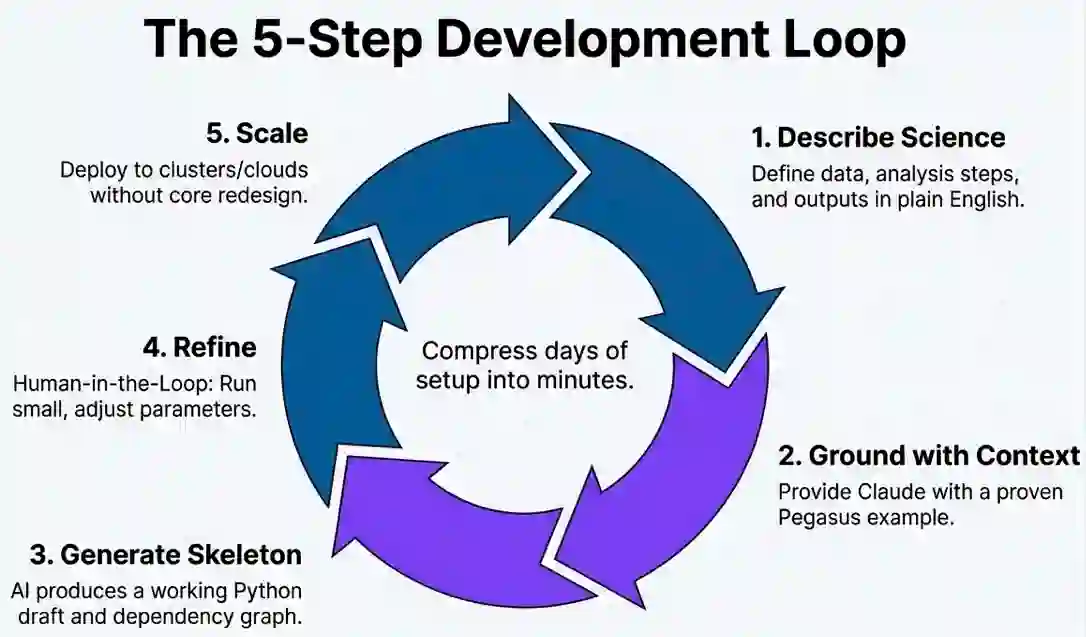
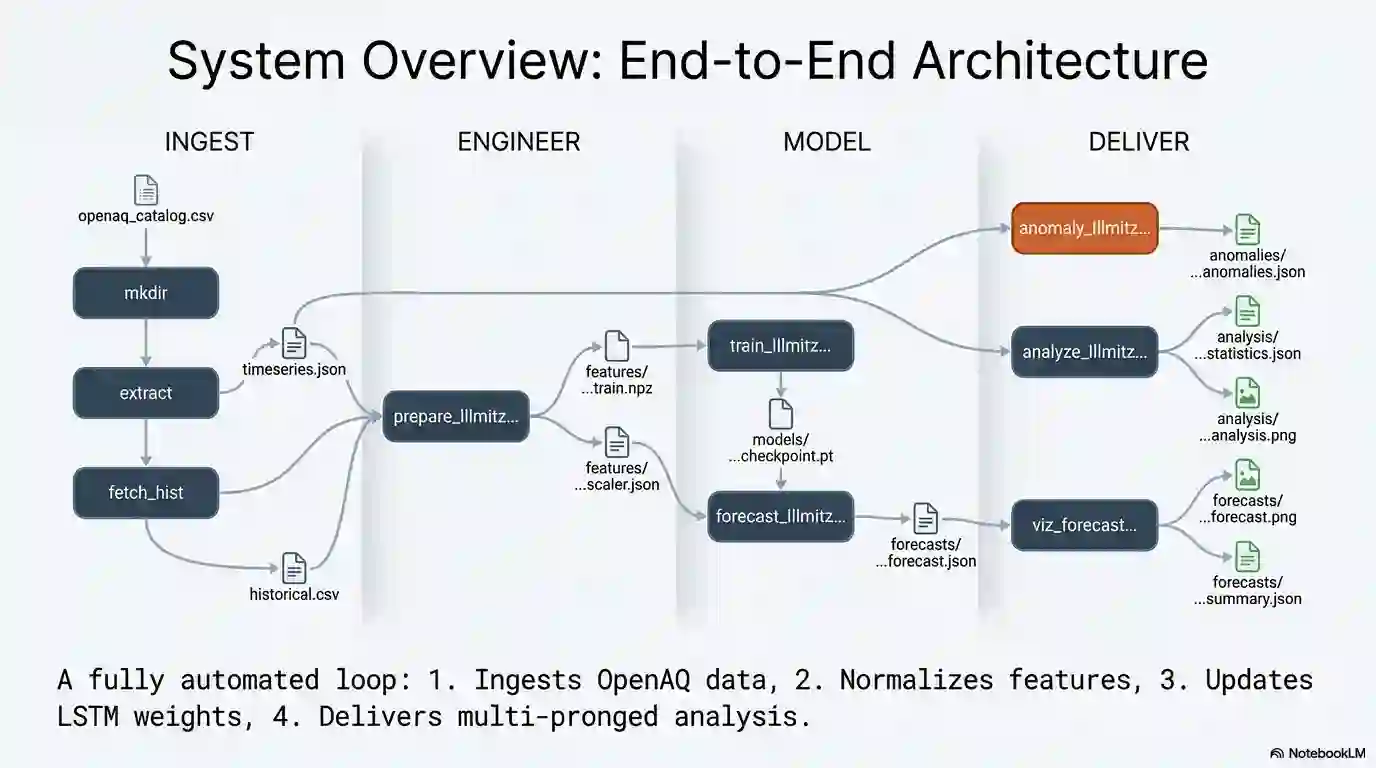
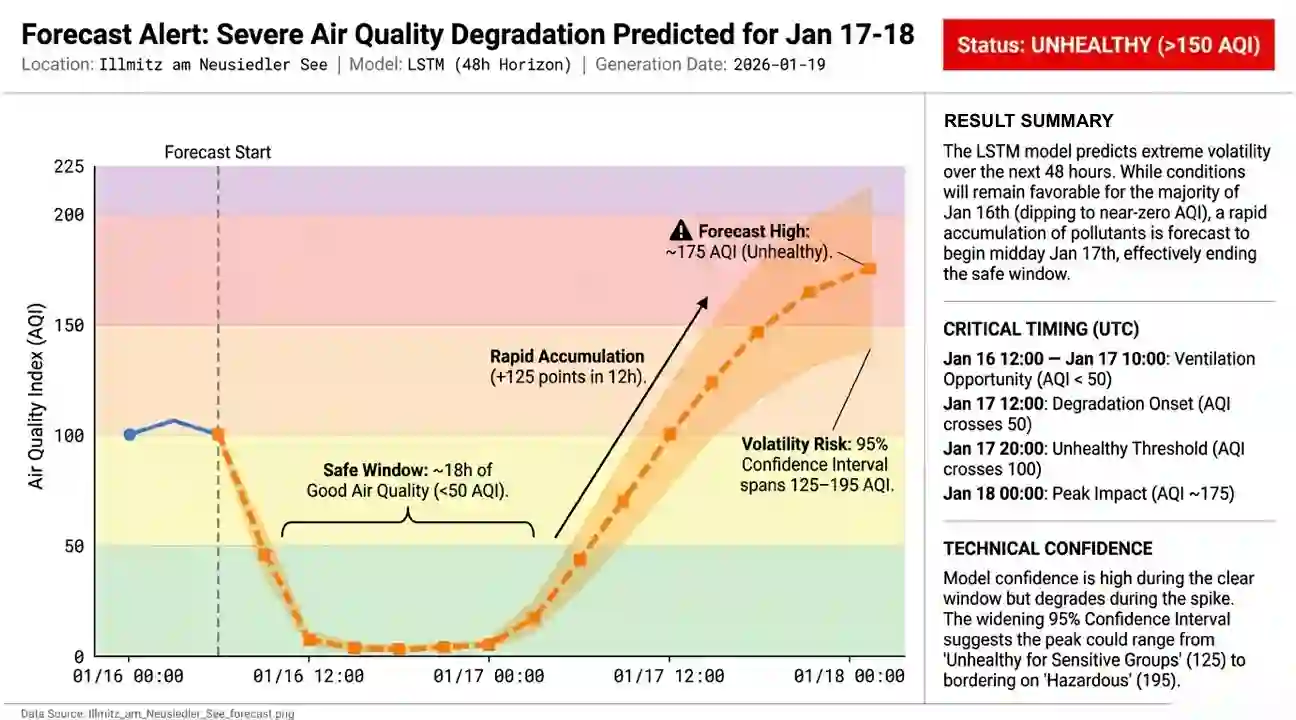
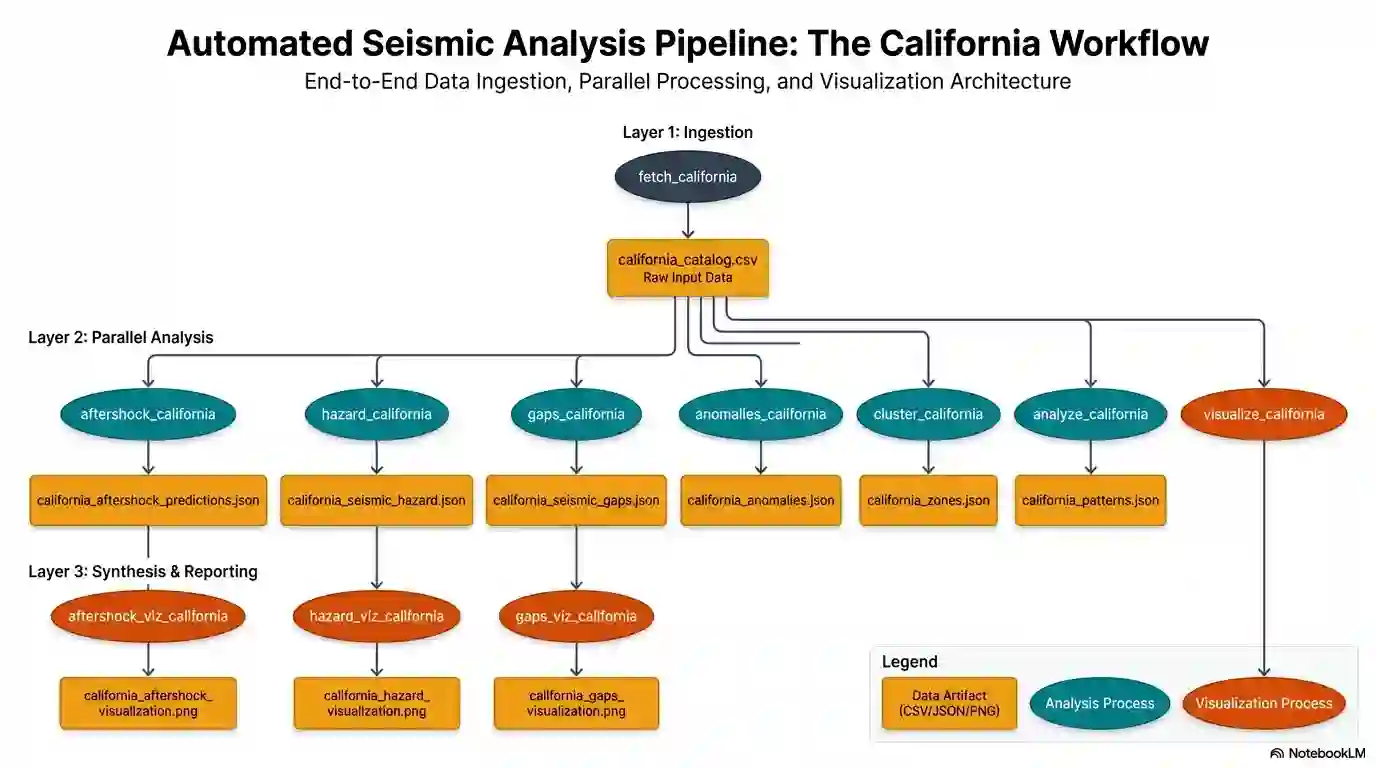
Scientists increasingly rely on sensor-based data, yet transforming raw streams into insights across the edge-to-cloud continuum remains difficult. Provisioning heterogeneous infrastructure and managing execution on emerging platforms like Data Processing Units typically requires cross-domain expertise, creating significant barriers to rapid prototyping. This paper introduces an experience-driven methodology for the rapid development of sensor-driven applications. By combining pattern-based workflow engineering with AI-assisted development-implemented via Pegasus on the FABRIC testbed - we utilize an existing Orcasound hydrophone workflow as a reusable template. We introduce a pattern-based engineering methodology to generate and refine workflows for air quality, earthquake, and soil moisture monitoring. Furthermore, we show how these abstract structures are extended to edge resources through modular configuration and placement. Our evaluation focuses on user productivity and practical lessons rather than peak performance. Through these case studies, we illustrate how AI-assisted, pattern-based development lowers the entry barrier for non-experts and enables iterative exploration of sensor-driven applications across distributed infrastructures.
翻译:摘要:科学家日益依赖基于传感器数据,然而,将原始数据流转化为从边缘到云连续体中的洞见依然困难重重。配置异构基础设施并管理在数据处理单元等新兴平台上的执行,通常需要跨领域专业知识,这为快速原型构建设置了巨大障碍。本文介绍了一种经验驱动的方法论,用于快速开发传感器驱动应用。通过将基于模式的工作流工程与AI辅助开发相结合——在FABRIC测试平台上经由Pegasus实现——我们将现有的Orcasound水听器工作流作为可复用模板加以利用。我们引入了一种基于模式的工程方法论,用于生成并优化空气质量、地震以及土壤湿度监测的工作流。此外,我们展示了如何通过模块化配置与部署将这些抽象结构扩展至边缘资源。我们的评估侧重于用户生产力与实践经验,而非峰值性能。通过这些案例研究,我们阐释了AI辅助的、基于模式的开发如何降低非专家用户的门槛,并支持在分布式基础设施上对传感器驱动应用进行迭代探索。




相关内容




 微信扫码咨询专知VIP会员