

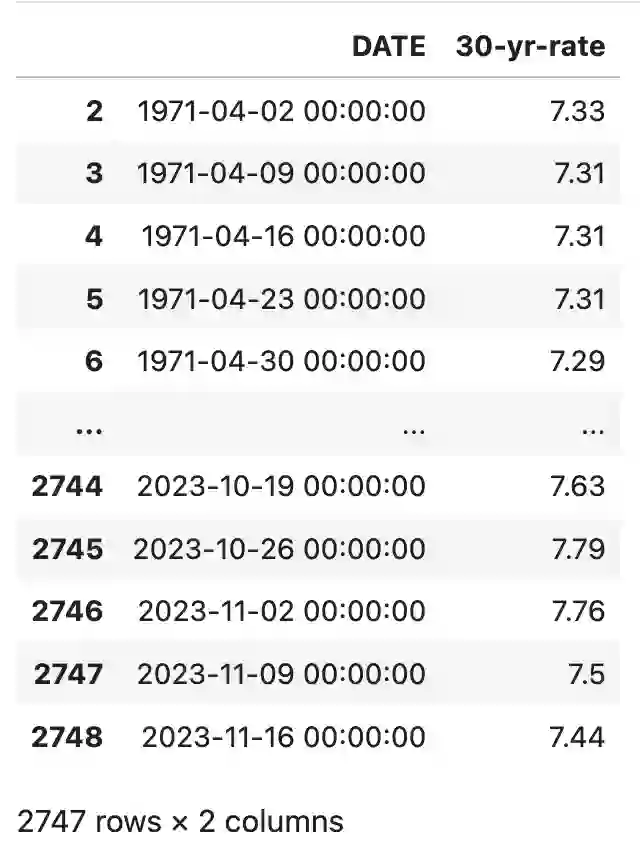
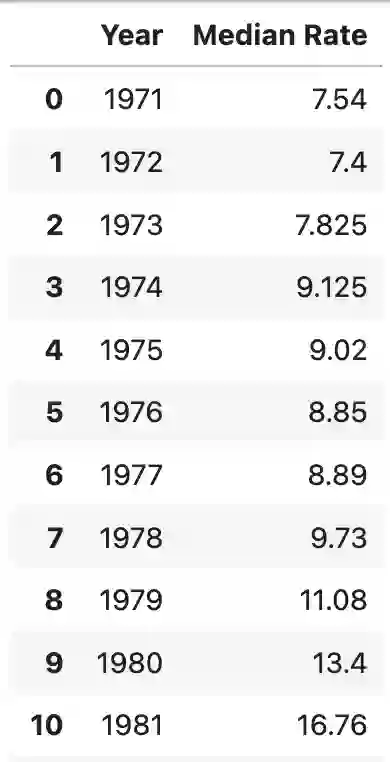
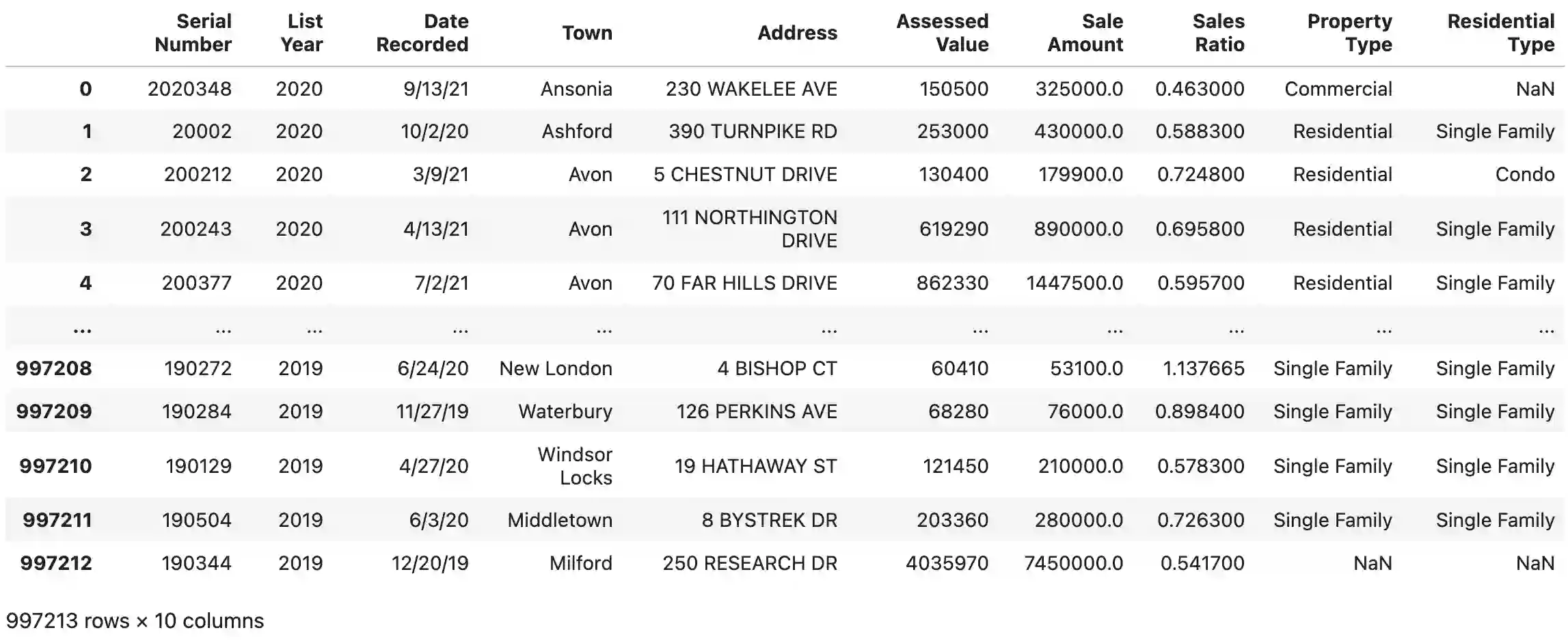
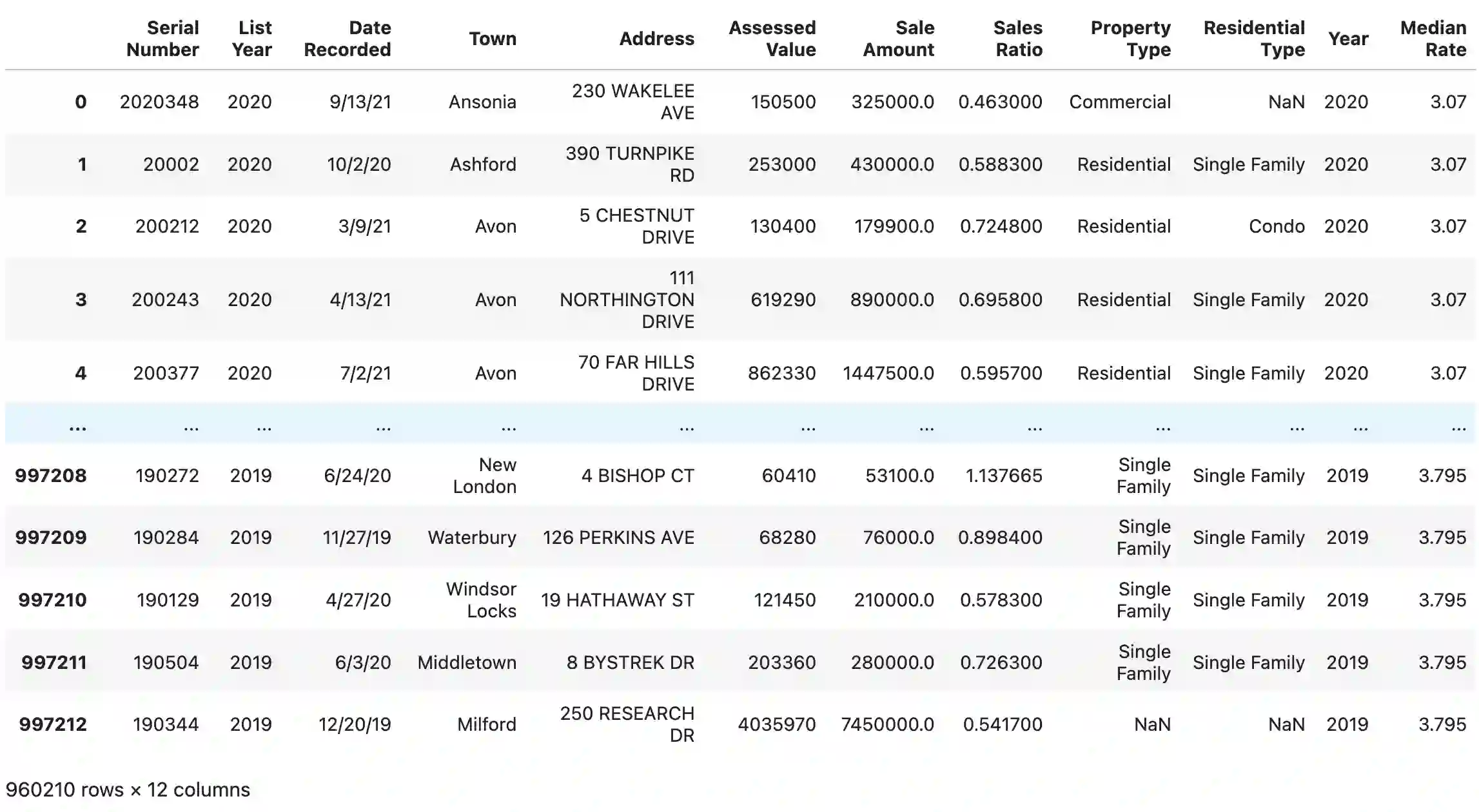
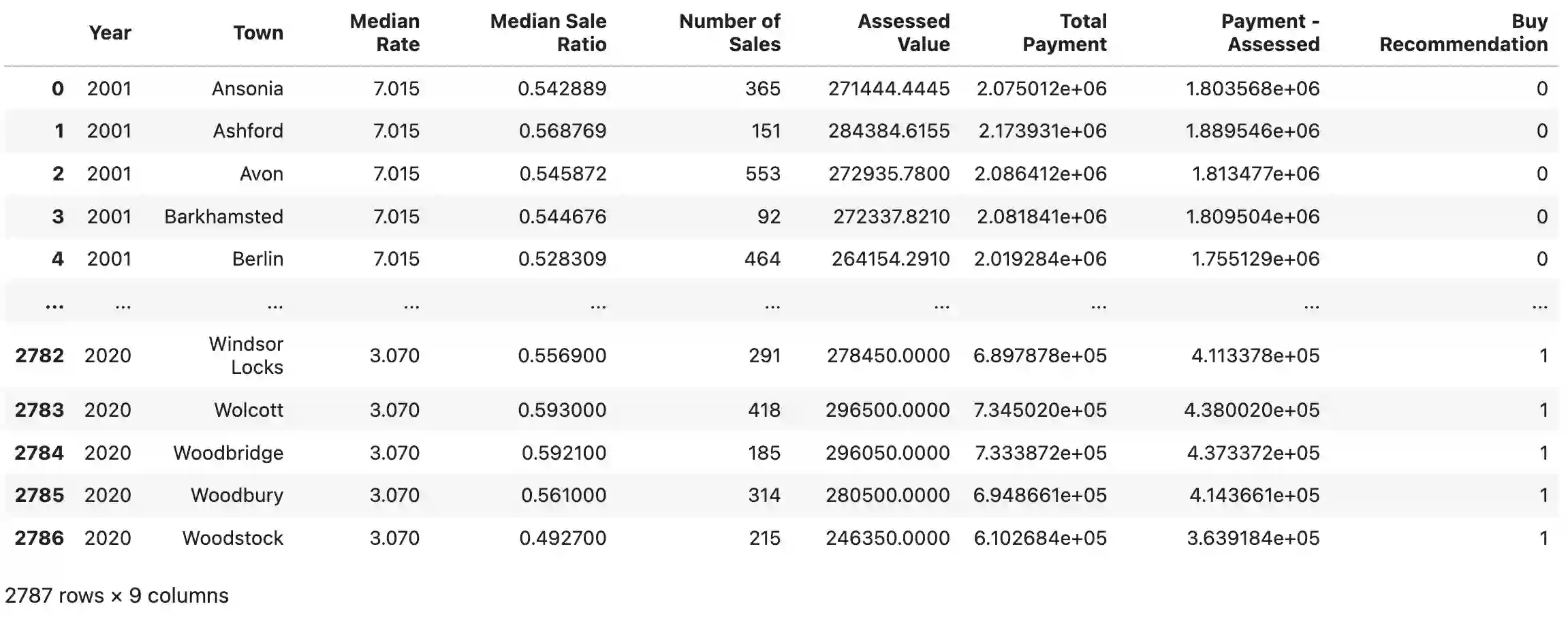
This paper presents a comprehensive evaluation of three distinct computational algorithms applied to the decision-making process of real estate purchases. Specifically, we analyze the efficacy of Linear Regression from Scikit-learn library, Gaussian Elimination with partial pivoting, and LU Decomposition in predicting the advisability of buying a house in the State of Connecticut based on a set of financial and market-related parameters. The algorithms' performances were compared using a dataset encompassing town-specific details, yearly data, interest rates, and median sale ratios. Our results demonstrate significant differences in predictive accuracy, with Linear Regression and LU Decomposition providing the most reliable recommendations and Gaussian Elimination showing limitations in stability and performance. The study's findings emphasize the importance of algorithm selection in predictive analytic and offer insights into the practical applications of computational methods in real estate investment strategies. By evaluating model efficacy through metrics such as R-squared scores and Mean Squared Error, we provide a nuanced understanding of each method's strengths and weaknesses, contributing valuable knowledge to the fields of real estate analysis and predictive modeling.
翻译:本文对三种不同计算算法在房地产购买决策过程中的应用进行了全面评估。具体而言,我们分析了来自Scikit-learn库的线性回归、带部分主元的高斯消元法以及LU分解在基于一组金融和市场相关参数预测康涅狄格州购房建议性方面的有效性。这些算法的性能通过包含城镇具体信息、年度数据、利率和中位销售比率的数据集进行比较。我们的结果表明,预测准确性存在显著差异,其中线性回归和LU分解提供了最可靠的推荐,而高斯消元法在稳定性和性能方面显示出局限性。研究成果强调了算法选择在预测分析中的重要性,并为计算方法在房地产投资策略中的实际应用提供了见解。通过使用R平方分数和均方误差等指标评估模型效能,我们深入理解了每种方法的优缺点,为房地产分析和预测建模领域贡献了宝贵知识。




相关内容



 微信扫码咨询专知VIP会员