

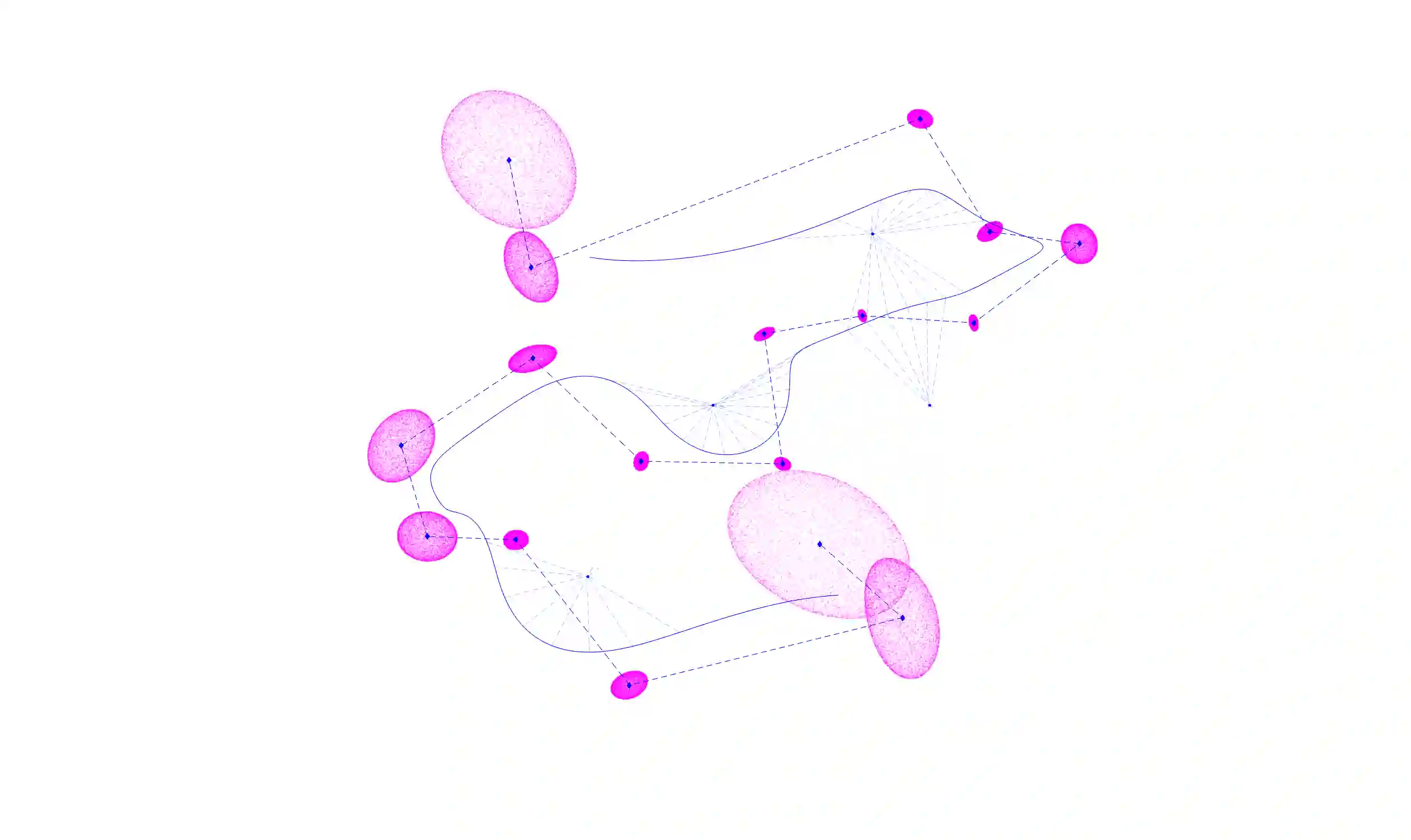
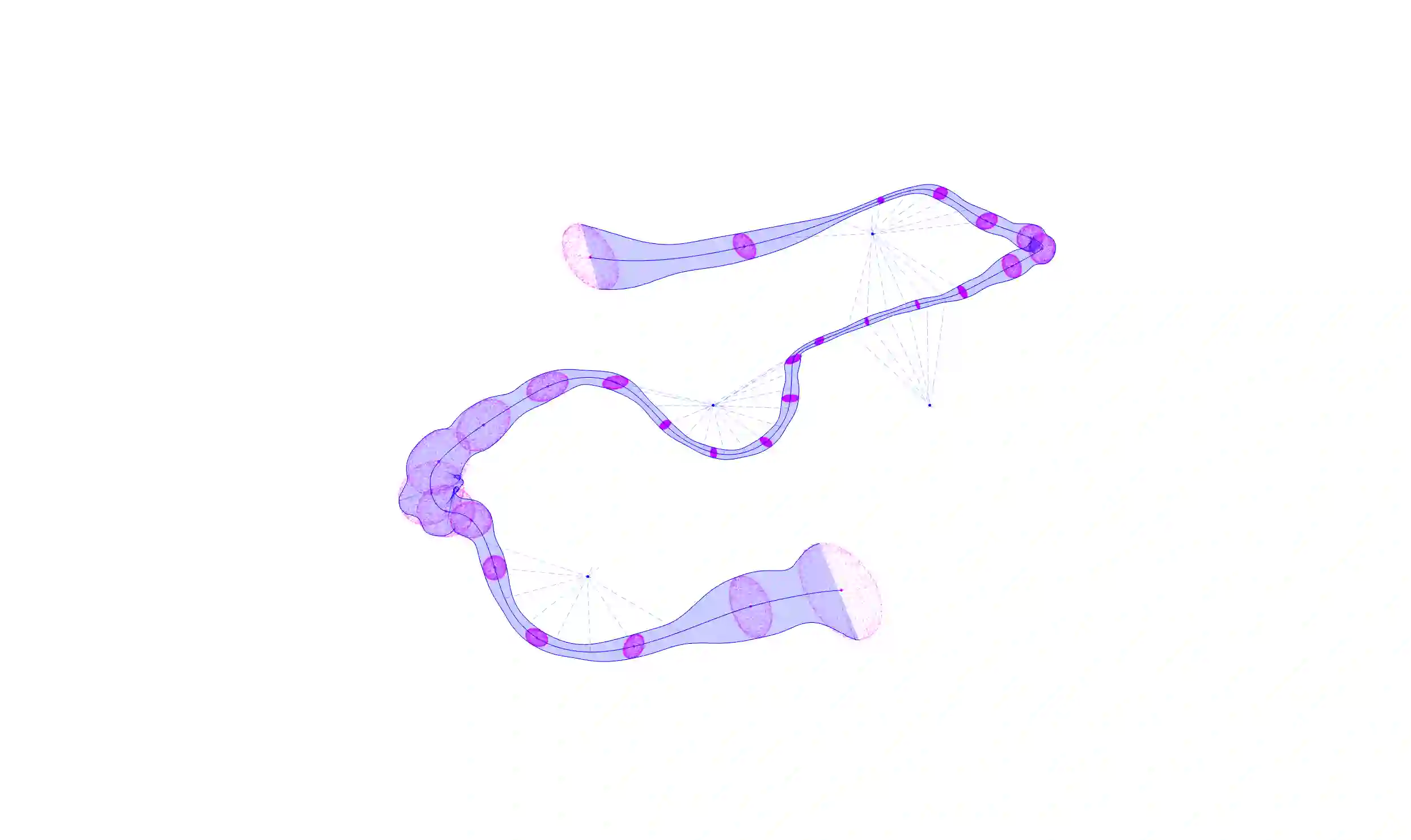
Accurate, efficient, and robust state estimation is more important than ever in robotics as the variety of platforms and complexity of tasks continue to grow. Historically, discrete-time filters and smoothers have been the dominant approach, in which the estimated variables are states at discrete sample times. The paradigm of continuous-time state estimation proposes an alternative strategy by estimating variables that express the state as a continuous function of time, which can be evaluated at any query time. Not only can this benefit downstream tasks such as planning and control, but it also significantly increases estimator performance and flexibility, as well as reduces sensor preprocessing and interfacing complexity. Despite this, continuous-time methods remain underutilized, potentially because they are less well-known within robotics. To remedy this, this work presents a unifying formulation of these methods and the most exhaustive literature review to date, systematically categorizing prior work by methodology, application, state variables, historical context, and theoretical contribution to the field. By surveying splines and Gaussian processes together and contextualizing works from other research domains, this work identifies and analyzes open problems in continuous-time state estimation and suggests new research directions.
翻译:随着机器人平台的多样性和任务复杂性的持续增长,精确、高效且鲁棒的状态估计变得比以往任何时候都更为重要。历史上,离散时间滤波器和平滑器一直是主导方法,其估计变量是离散采样时刻的状态。连续时间状态估计范式提出了一种替代策略,通过估计将状态表达为时间连续函数的变量,该函数可在任意查询时刻求值。这不仅有利于下游任务(如规划与控制),还能显著提升估计器的性能与灵活性,并降低传感器预处理与接口的复杂性。尽管如此,连续时间方法仍未得到充分利用,这可能是由于它们在机器人学领域内知名度较低。为弥补这一不足,本文提出了这些方法的统一表述,并进行了迄今为止最详尽的文献综述,系统地将先前工作按方法论、应用、状态变量、历史背景及对领域的理论贡献进行分类。通过同时综述样条与高斯过程,并结合来自其他研究领域的工作背景,本文识别并分析了连续时间状态估计中的开放性问题,并提出了新的研究方向。




相关内容




 微信扫码咨询专知VIP会员