

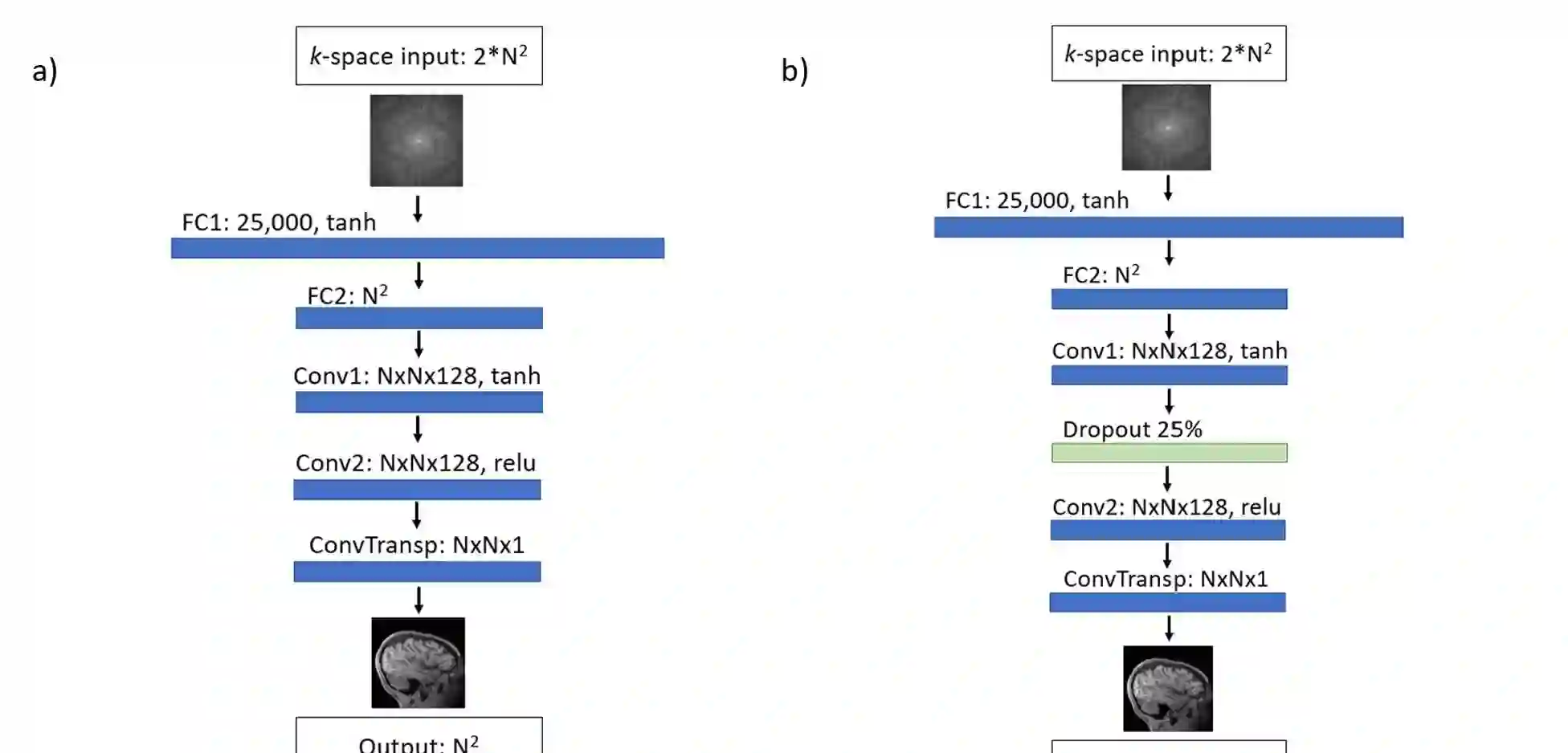
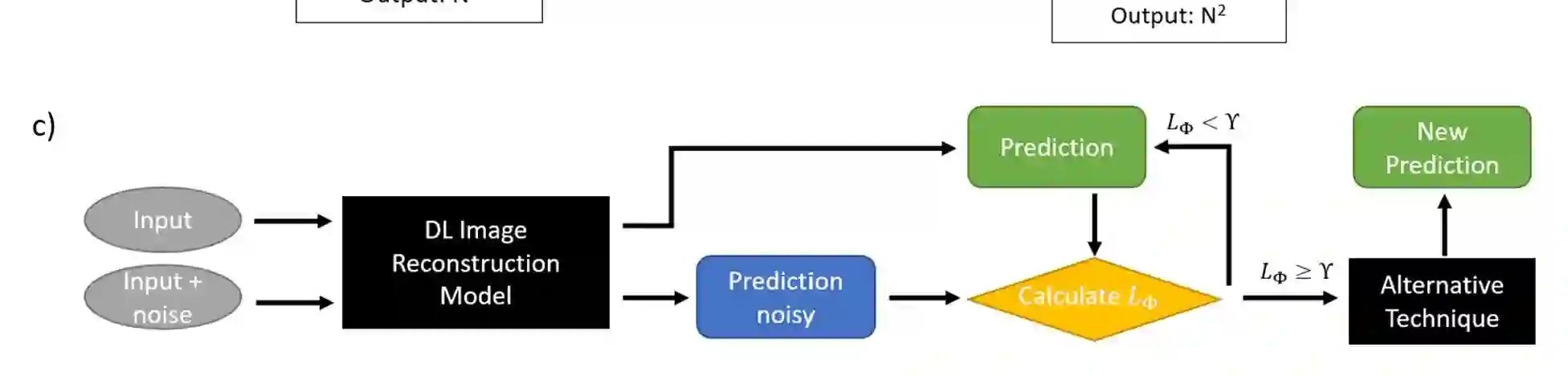
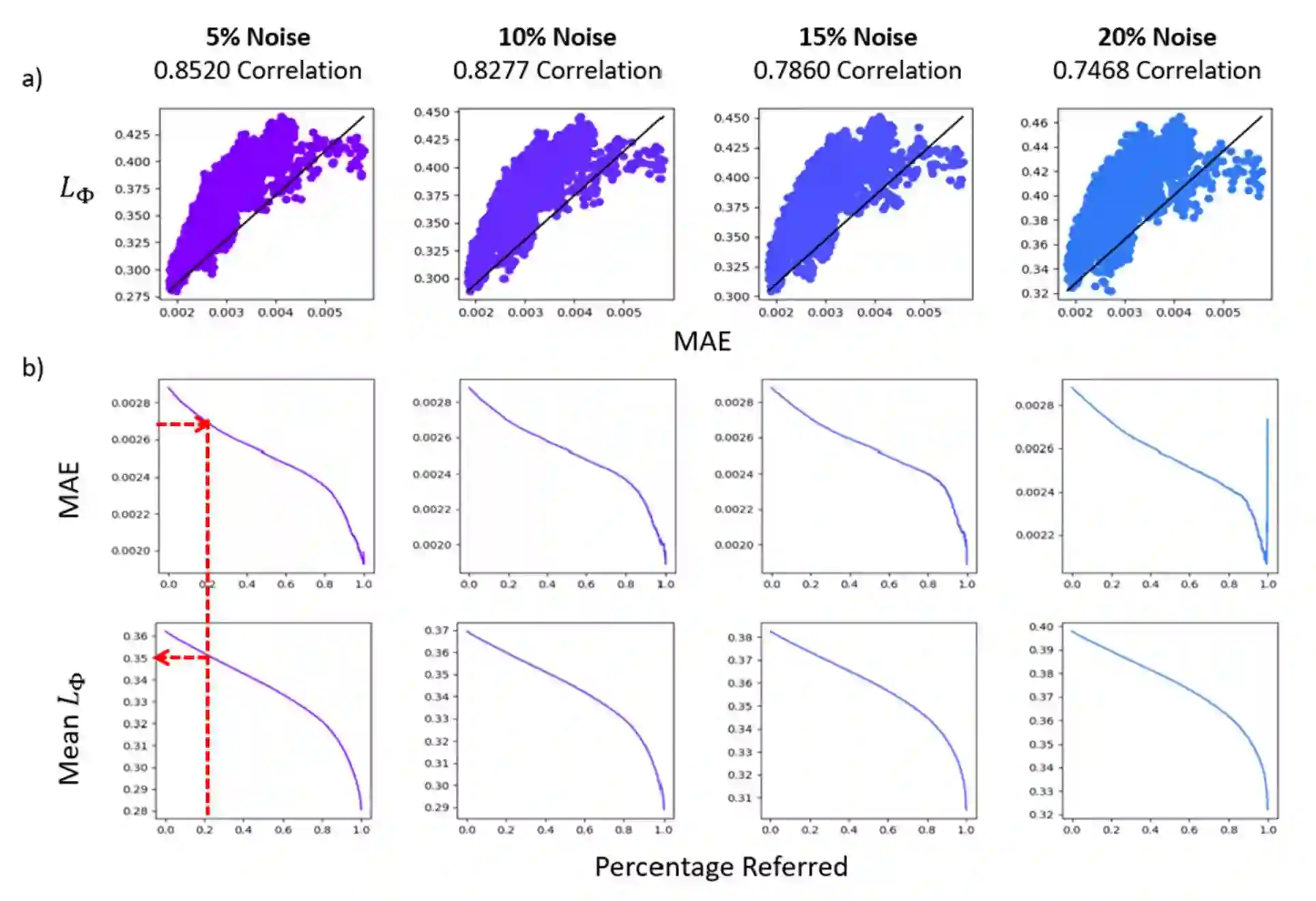
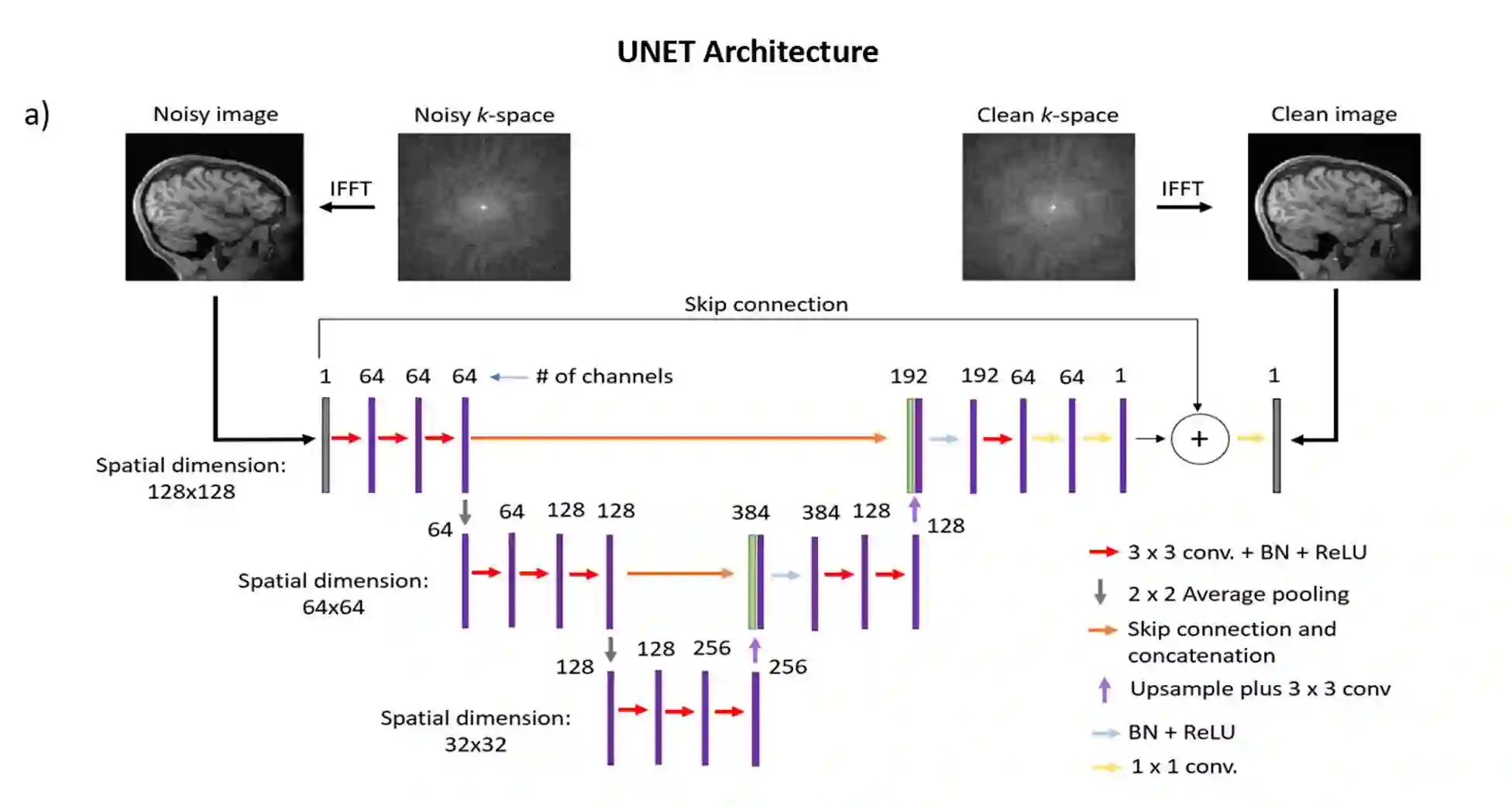
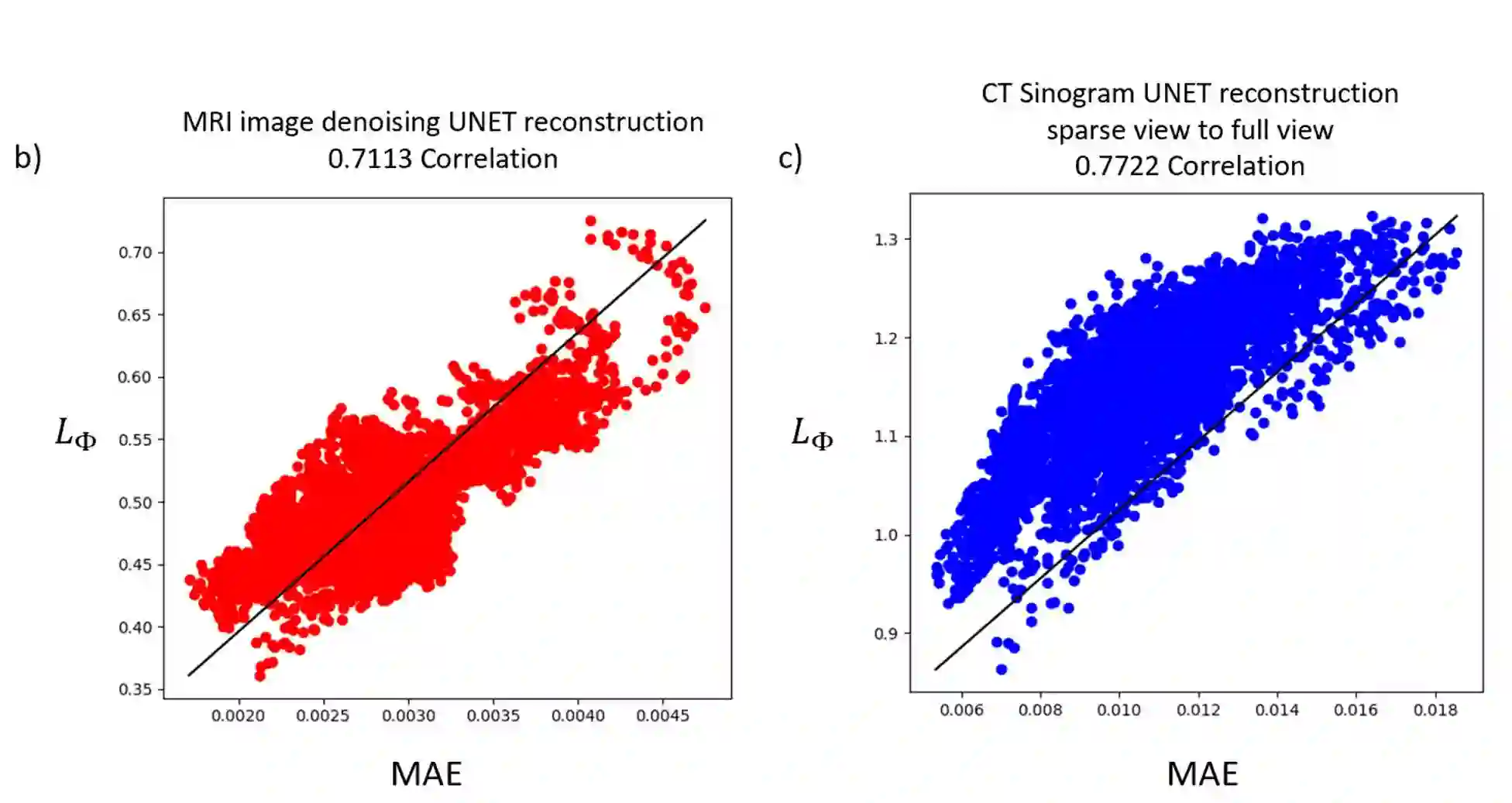
The use of supervised deep neural network approaches has been investigated to solve inverse problems in all domains, especially radiology where imaging technologies are at the heart of diagnostics. However, in deployment, these models are exposed to input distributions that are widely shifted from training data, due in part to data biases or drifts. It becomes crucial to know whether a given input lies outside the training data distribution before relying on the reconstruction for diagnosis. The goal of this work is three-fold: (i) demonstrate use of the local Lipshitz value as an uncertainty estimation threshold for determining suitable performance, (ii) provide method for identifying out-of-distribution (OOD) images where the model may not have generalized, and (iii) use the local Lipschitz values to guide proper data augmentation through identifying false positives and decrease epistemic uncertainty. We provide results for both MRI reconstruction and CT sparse view to full view reconstruction using AUTOMAP and UNET architectures due to it being pertinent in the medical domain that reconstructed images remain diagnostically accurate.
翻译:监督式深度神经网络方法已被研究用于解决各个领域中的逆问题,尤其在放射学领域,其中成像技术是诊断的核心。然而,在实际部署中,这些模型面临输入分布与训练数据显著偏移的问题,部分原因在于数据偏差或漂移。在依赖重建结果进行诊断之前,判断给定输入是否位于训练数据分布之外变得至关重要。本研究的目标有三方面:(i)展示使用局部Lipschitz值作为不确定性估计阈值以确定合适性能的方法;(ii)提供识别模型可能未泛化的分布外(OOD)图像的方法;(iii)利用局部Lipschitz值通过识别假阳性来指导适当的数据增强,并降低认知不确定性。我们分别使用AUTOMAP和UNET架构针对MRI重建和CT稀疏视角到全视角重建提供了结果,因为在医学领域中确保重建图像保持诊断准确性至关重要。




相关内容



 微信扫码咨询专知VIP会员