

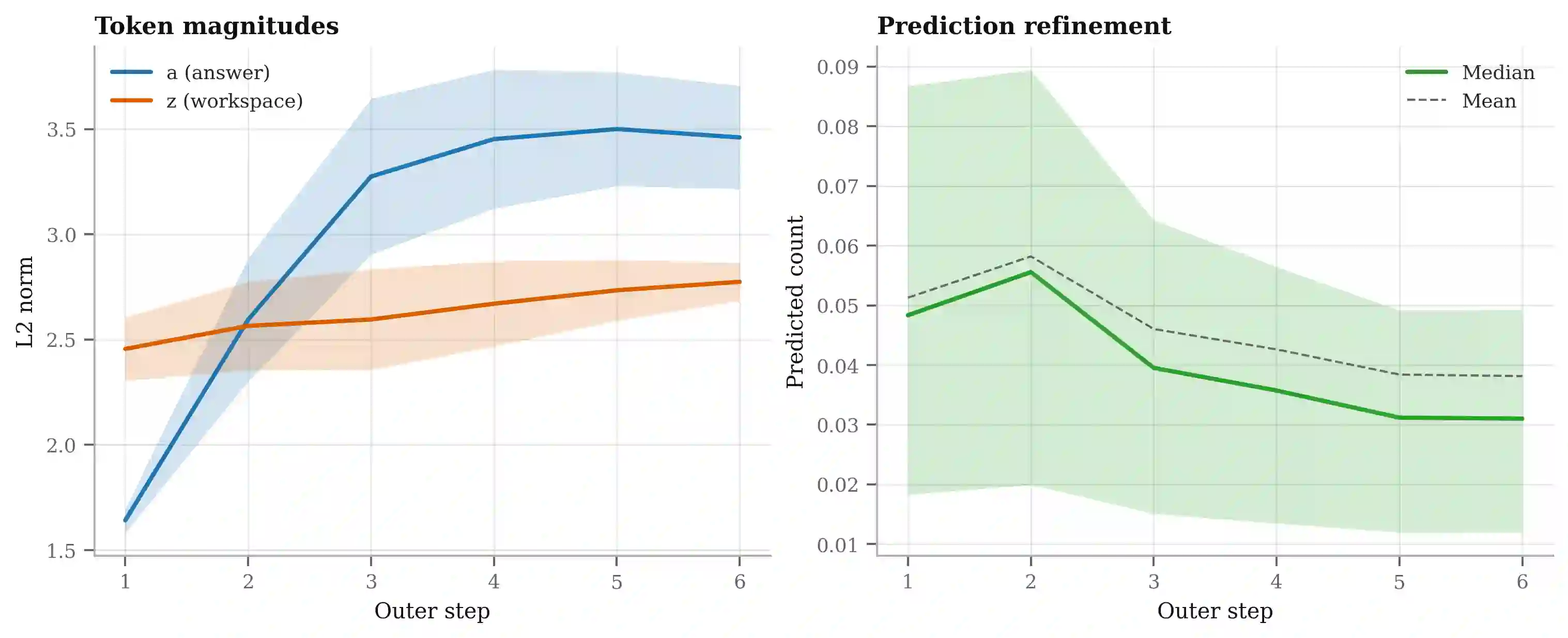
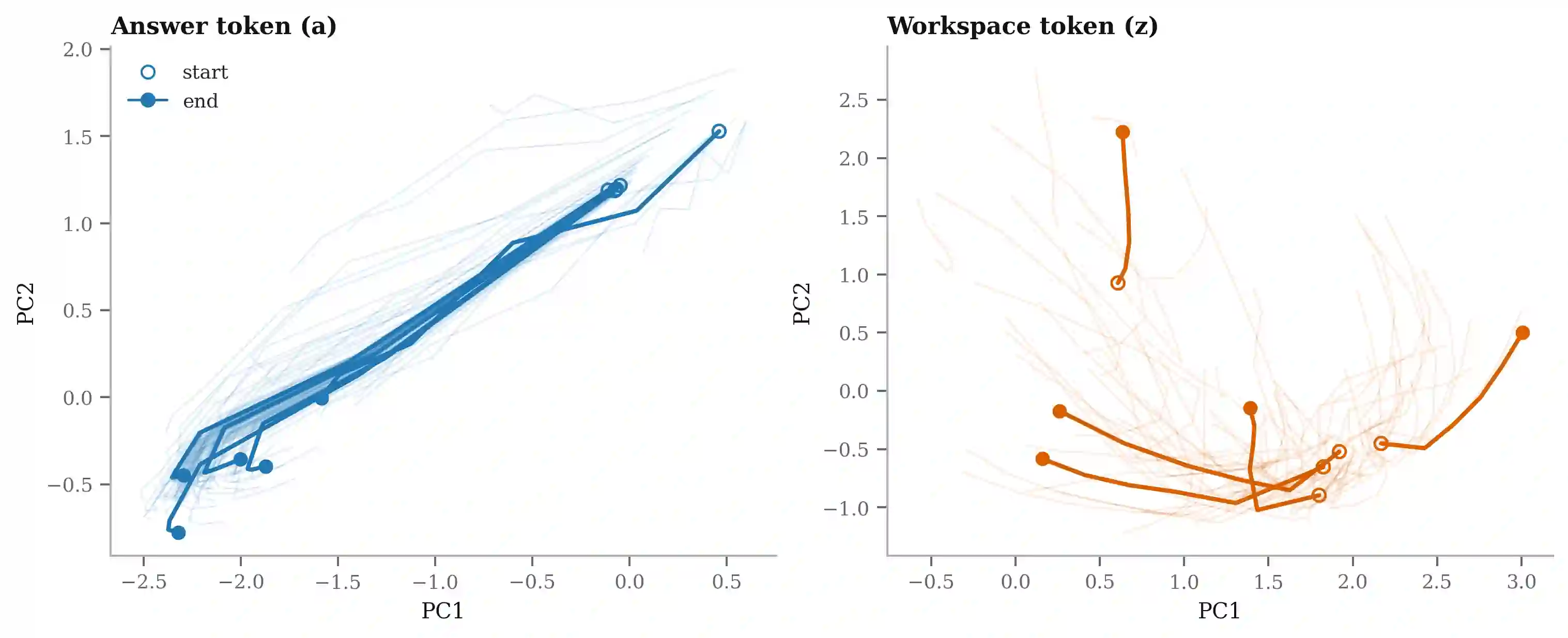
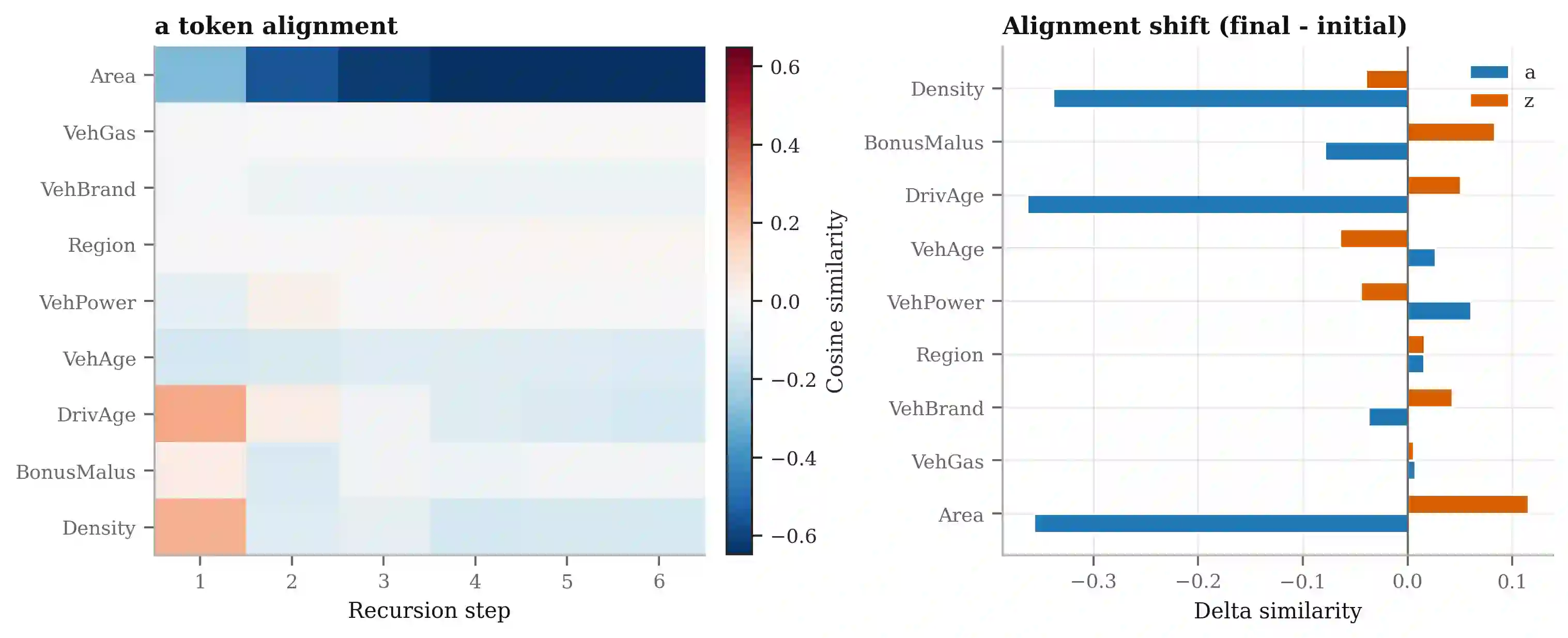
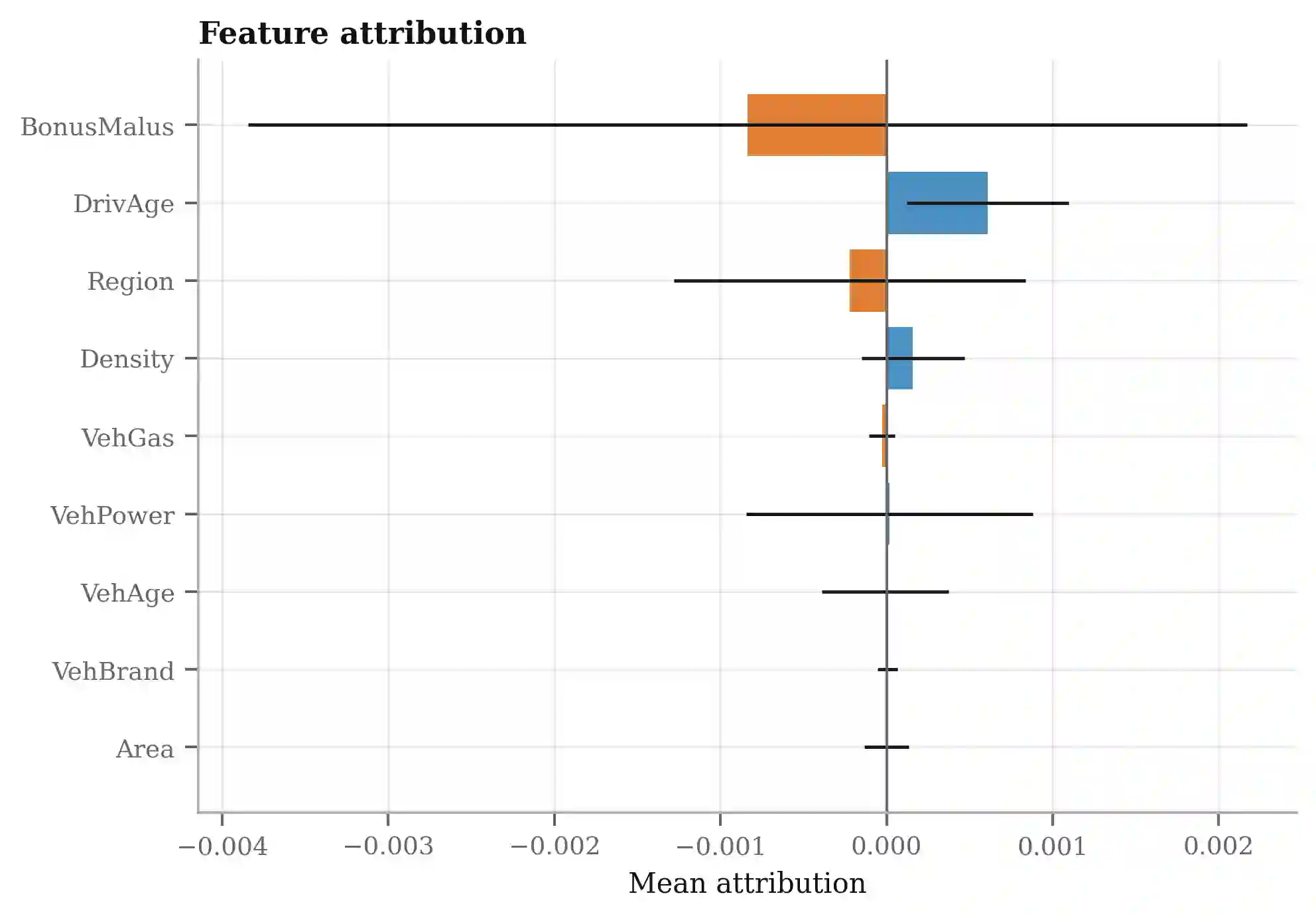
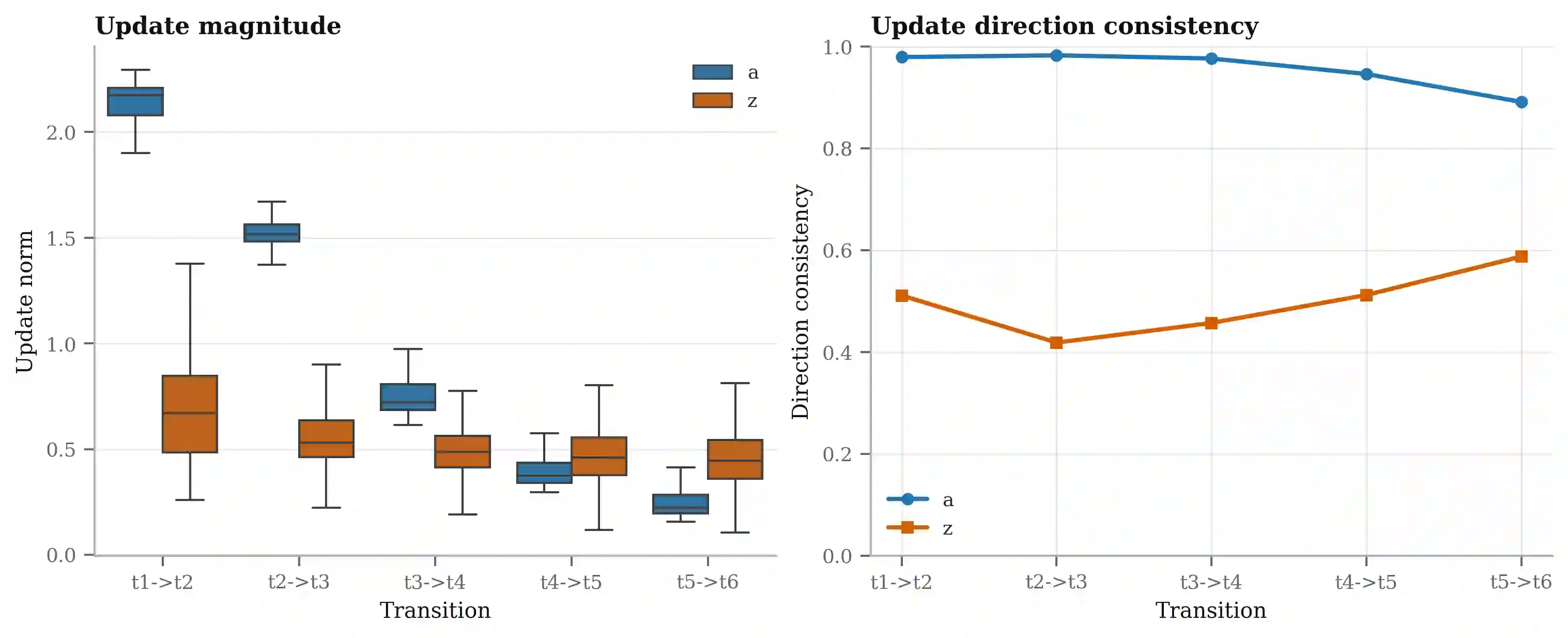
We introduce Tab-TRM (Tabular-Tiny Recursive Model), a network architecture that adapts the recursive latent reasoning paradigm of Tiny Recursive Models (TRMs) to insurance modeling. Drawing inspiration from both the Hierarchical Reasoning Model (HRM) and its simplified successor TRM, the Tab-TRM model makes predictions by reasoning over the input features. It maintains two learnable latent tokens - an answer token and a reasoning state - that are iteratively refined by a compact, parameter-efficient recursive network. The recursive processing layer repeatedly updates the reasoning state given the full token sequence and then refines the answer token, in close analogy with iterative insurance pricing schemes. Conceptually, Tab-TRM bridges classical actuarial workflows - iterative generalized linear model fitting and minimum-bias calibration - on the one hand, and modern machine learning, in terms of Gradient Boosting Machines, on the other.
翻译:本文提出Tab-TRM(表格微型递归模型),这是一种将微型递归模型(TRM)的递归潜在推理范式应用于保险建模的网络架构。该模型借鉴了分层推理模型(HRM)及其简化后继者TRM的设计思想,通过对输入特征进行推理来生成预测。它维护两个可学习的潜在标记——答案标记与推理状态,并通过一个紧凑且参数高效的递归网络进行迭代优化。递归处理层在给定完整标记序列的条件下反复更新推理状态,随后优化答案标记,其过程与迭代式保险定价方案高度相似。从概念上看,Tab-TRM一方面衔接了经典精算工作流程——迭代广义线性模型拟合与最小偏差校准,另一方面也关联了以梯度提升机为代表的现代机器学习方法。




相关内容



 微信扫码咨询专知VIP会员