

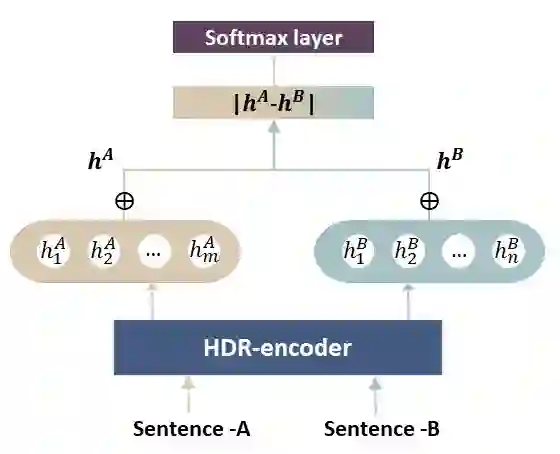
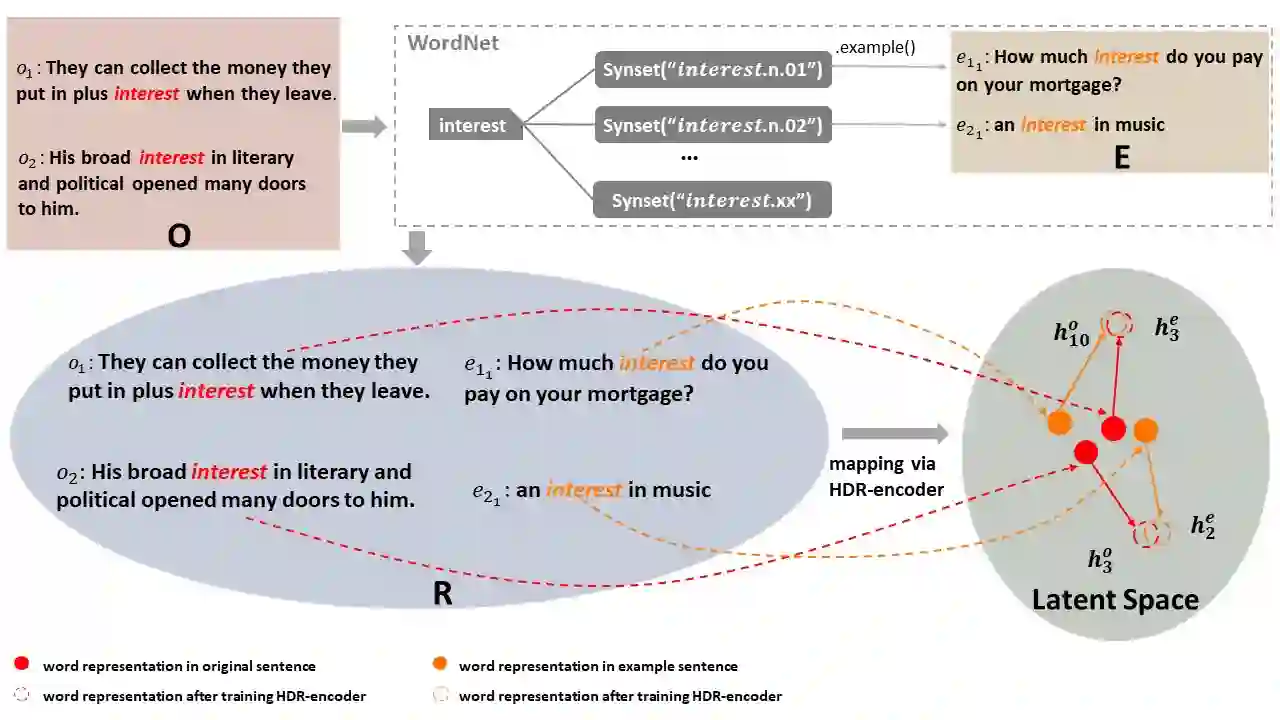
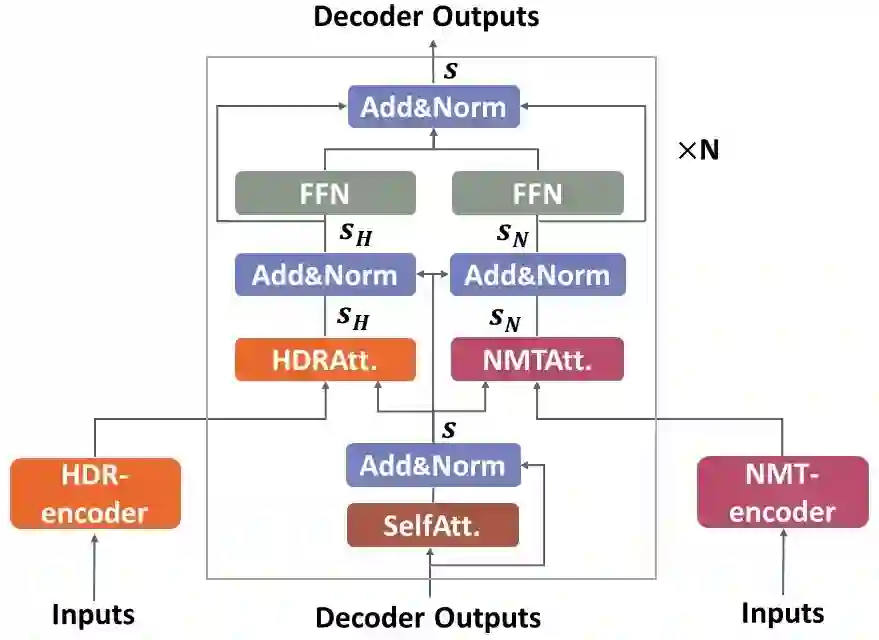
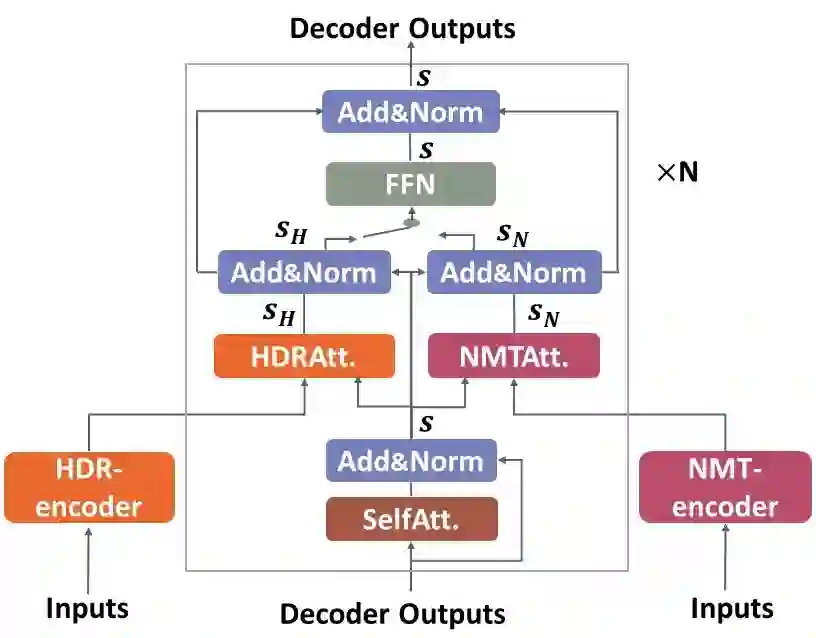
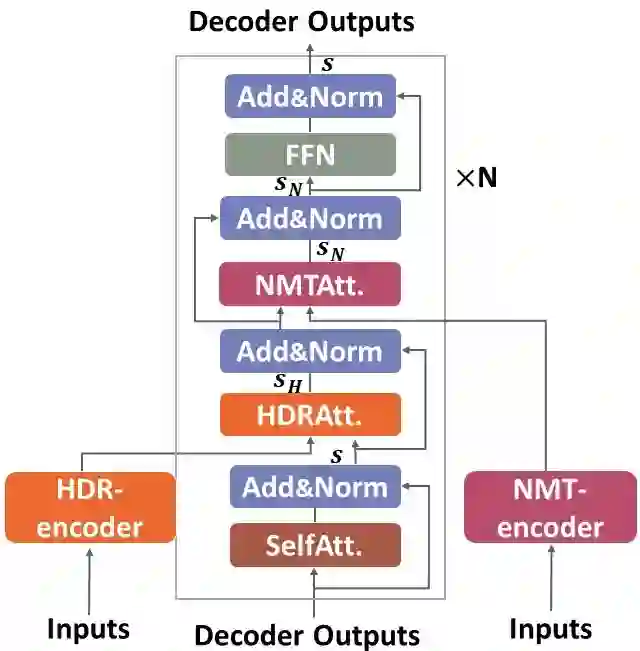
Homographs, words with the same spelling but different meanings, remain challenging in Neural Machine Translation (NMT). While recent works leverage various word embedding approaches to differentiate word sense in NMT, they do not focus on the pivotal components in resolving ambiguities of homographs in NMT: the hidden states of an encoder. In this paper, we propose a novel approach to tackle homographic issues of NMT in the latent space. We first train an encoder (aka "HDR-encoder") to learn universal sentence representations in a natural language inference (NLI) task. We further fine-tune the encoder using homograph-based synset sentences from WordNet, enabling it to learn word-level homographic disambiguation representations (HDR). The pre-trained HDR-encoder is subsequently integrated with a transformer-based NMT in various schemes to improve translation accuracy. Experiments on four translation directions demonstrate the effectiveness of the proposed method in enhancing the performance of NMT systems in the BLEU scores (up to +2.3 compared to a solid baseline). The effects can be verified by other metrics (F1, precision, and recall) of translation accuracy in an additional disambiguation task. Visualization methods like heatmaps, T-SNE and translation examples are also utilized to demonstrate the effects of the proposed method.
翻译:同形异义词(拼写相同但含义不同的词)仍是神经机器翻译(NMT)面临的挑战。尽管近期研究尝试利用多种词嵌入方法区分NMT中的词义,但并未关注解决NMT中同形异义词歧义的关键组件:编码器的隐藏状态。本文提出一种在潜在空间中解决NMT同形异义词问题的新方法。我们首先训练一个编码器(称为"HDR-编码器"),使其在自然语言推理(NLI)任务中学习通用句子表示。进一步利用WordNet中基于同形异义词集的句子对编码器进行微调,使其能够学习词级别的同形异义词消歧表示(HDR)。随后,该预训练的HDR-编码器通过多种方案与基于Transformer的NMT模型集成,以提升翻译准确性。在四个翻译方向上的实验表明,所提方法在BLEU评分方面有效提升了NMT系统的性能(相较强基线最高提升+2.3)。额外消歧任务中的翻译准确性指标(F1值、精确率和召回率)也可验证其效果。本文还采用热力图、T-SNE及翻译样例等可视化方法,进一步展示了所提方法的作用机制。




相关内容




 微信扫码咨询专知VIP会员