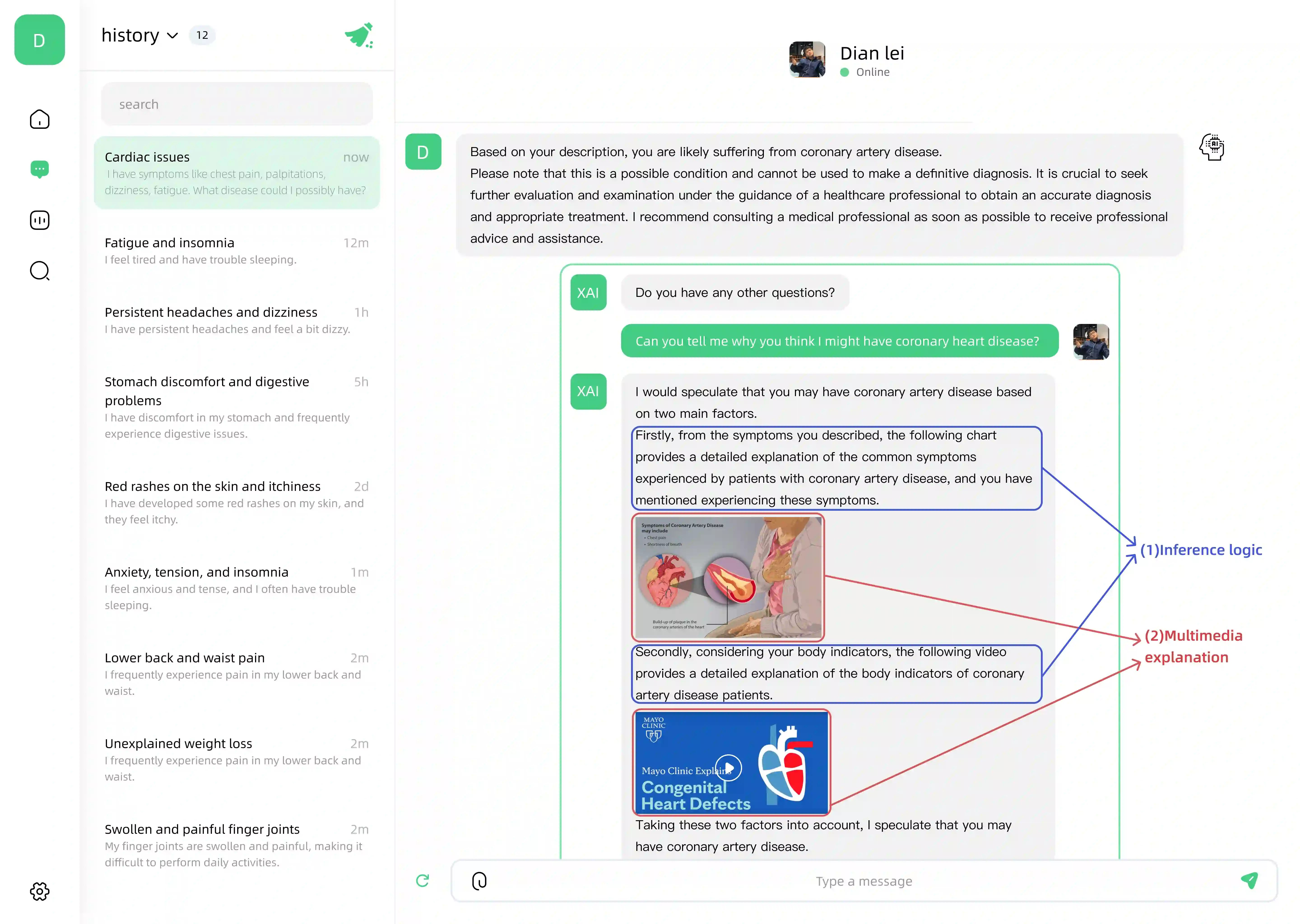
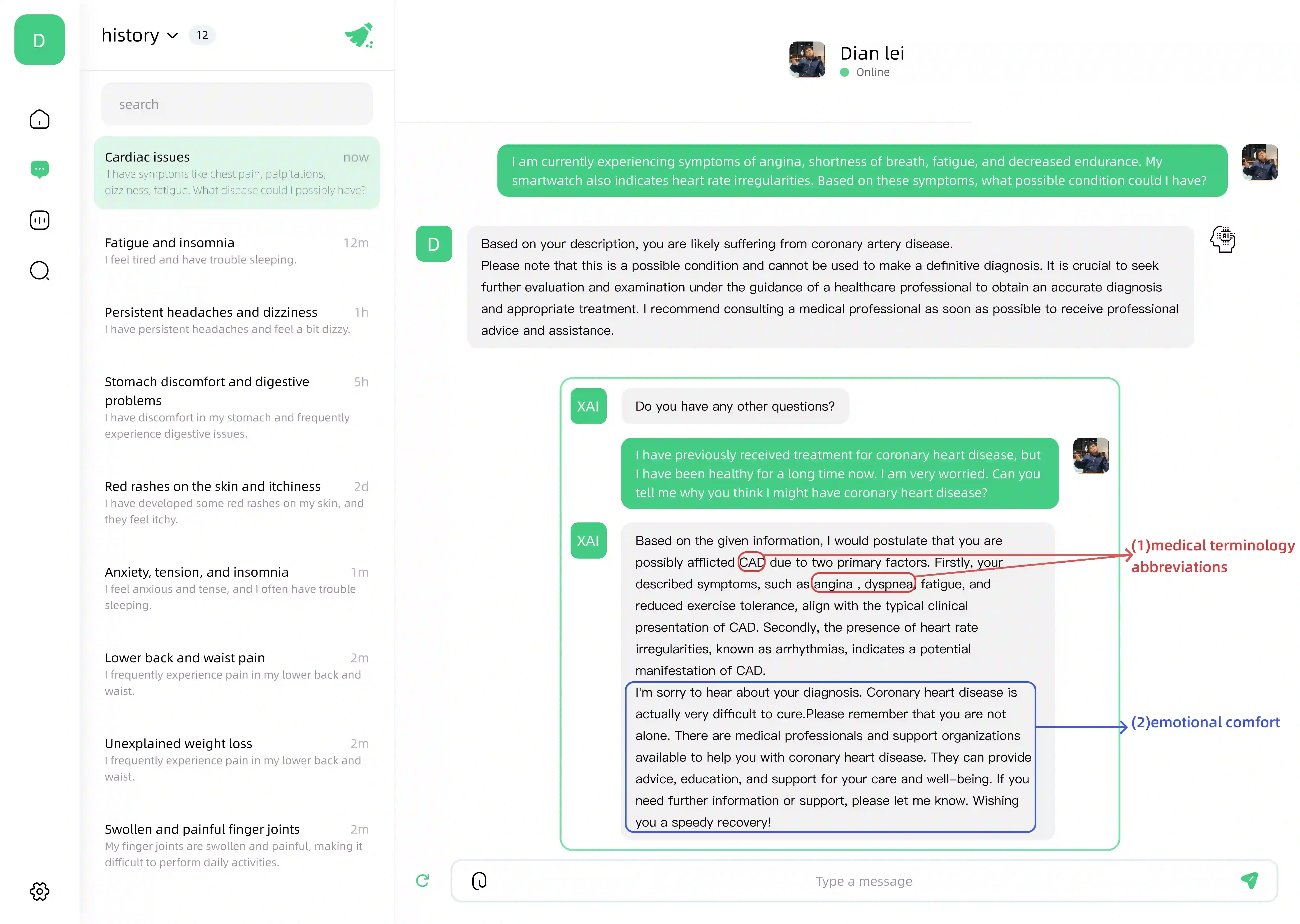
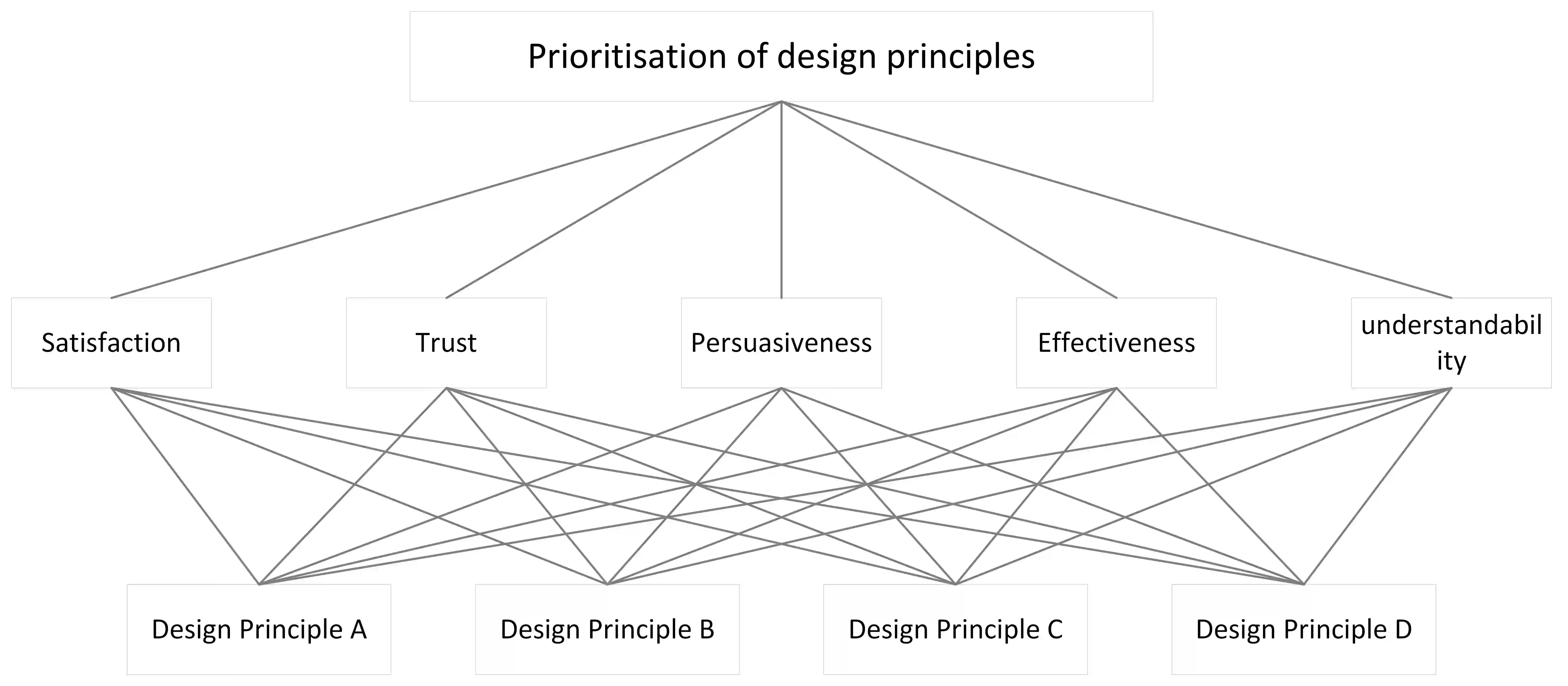
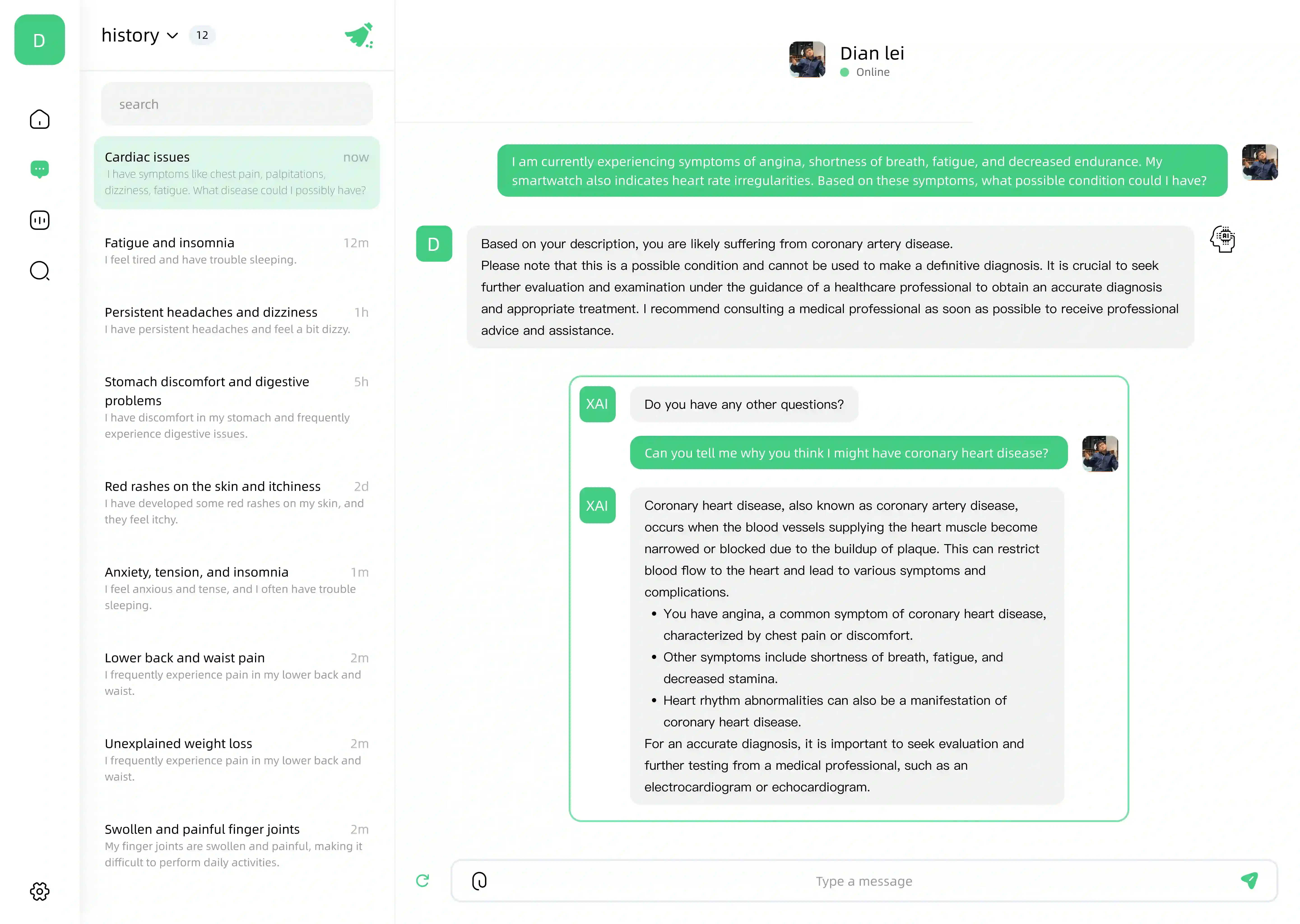
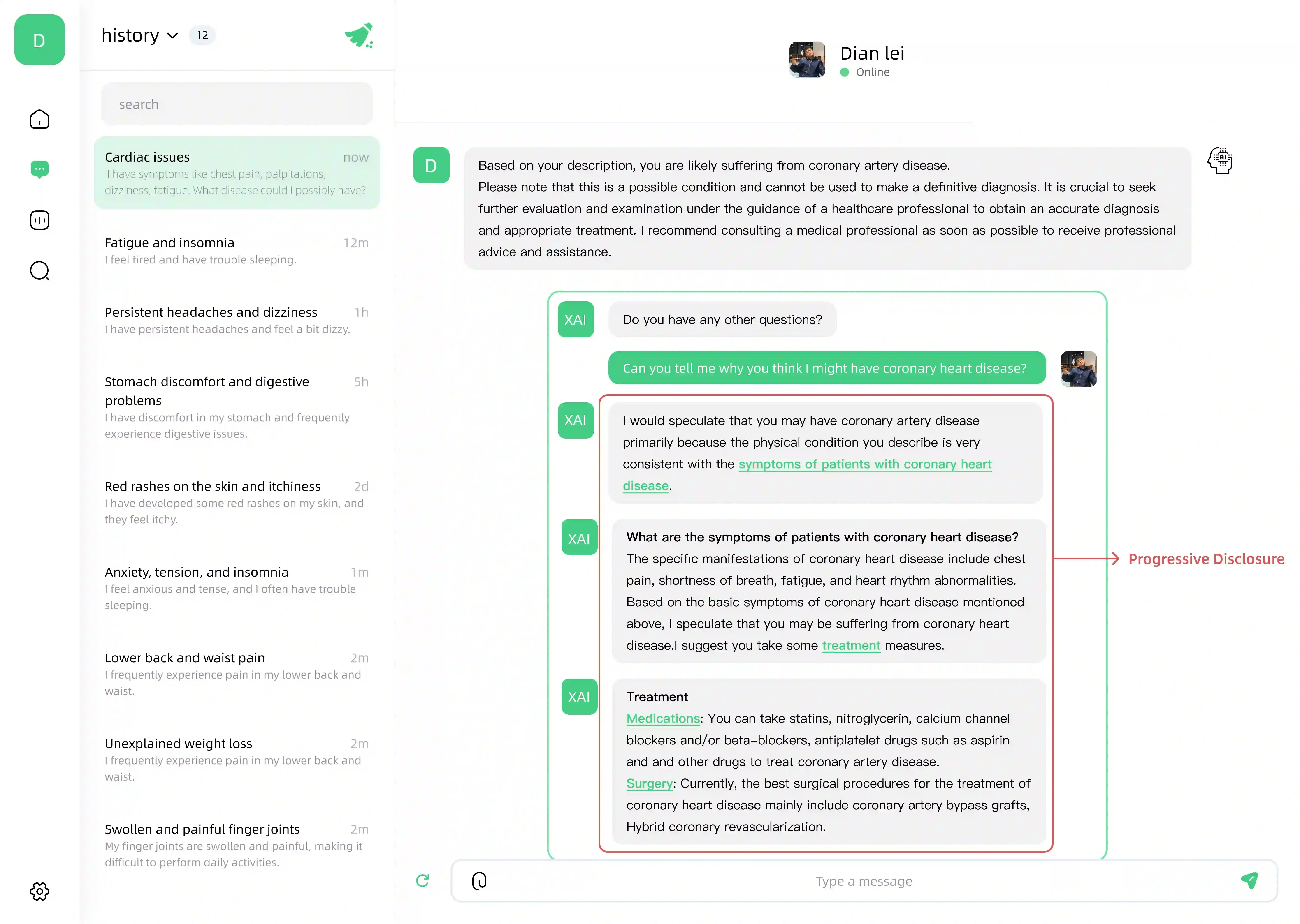
With the widespread application of artificial intelligence(AI), the explainable AI (XAI) field has undergone a notable resurgence. In this background, the importance of user experience in XAI has become increasingly prominent. Simultaneously, the user interface (UI) serves as a crucial link between XAI and users. However, despite the existence of UI design principles for XAI, there is a lack of prioritization based on their significance. This will lead practitioners to have a vague understanding of different design principles, making it difficult to allocate design space reasonably and emphasize design focal points. This paper aims to prioritize four design principles, providing clear guidance for UI design in XAI. Initially, we conducted a lightweight summary to derive five user experience standards for non-expert users in XAI. Subsequently, we developed four corresponding webpage prototypes for the four design principles. Nineteen participants then interacted with these prototypes, providing ratings based on five user experience standards, and We calculated the weights of the design principles. Our findings indicate that, for non-expert users, "sensitivity" is the optimal UI design principle (weight = 0.3296), followed by "flexibility" (weight = 0.3014). Finally, we engage in further discussion and summarization of our research results, and present future works and limitations.


翻译:随着人工智能(AI)的广泛应用,可解释人工智能(XAI)领域经历了显著复兴。在此背景下,XAI中用户体验的重要性日益凸显。同时,用户界面(UI)作为XAI与用户之间的关键纽带。然而,尽管针对XAI存在UI设计原则,但缺乏基于其重要性的优先级排序。这将导致从业者对不同设计原则的理解模糊,难以合理分配设计空间并突出设计重点。本文旨在对四项设计原则进行优先级排序,为XAI中的UI设计提供清晰指导。首先,我们通过轻量级总结,为XAI中的非专家用户推导出五项用户体验标准。随后,我们针对四项设计原则开发了四个相应的网页原型。接着,十九名参与者与这些原型进行交互,并根据五项用户体验标准进行评分,由此计算各设计原则的权重。研究结果表明,对于非专家用户而言,“敏感性”是最优的UI设计原则(权重=0.3296),其次是“灵活性”(权重=0.3014)。最后,我们对研究成果进行了进一步讨论与总结,并提出了未来工作方向与局限性。
0
下载
关闭预览

相关内容

【ACL2020】多模态信息抽取,365页ppt
专知会员服务
151+阅读 · 2020年7月6日
Keras François Chollet 《Deep Learning with Python 》, 386页pdf
专知会员服务
164+阅读 · 2019年10月12日
[综述]深度学习下的场景文本检测与识别
专知会员服务
78+阅读 · 2019年10月10日
【SIGGRAPH2019】TensorFlow 2.0深度学习计算机图形学应用
专知会员服务
41+阅读 · 2019年10月9日
Transferring Knowledge across Learning Processes
CreateAMind
29+阅读 · 2019年5月18日
meta learning 17年:MAML SNAIL
CreateAMind
11+阅读 · 2019年1月2日
disentangled-representation-papers
CreateAMind
26+阅读 · 2018年9月12日
论文浅尝 | 利用 RNN 和 CNN 构建基于 FreeBase 的问答系统
开放知识图谱
11+阅读 · 2018年4月25日
【推荐】用TensorFlow实现LSTM社交对话股市情感分析
机器学习研究会
11+阅读 · 2018年1月14日
Layer Normalization原理及其TensorFlow实现
深度学习每日摘要
32+阅读 · 2017年6月17日
国家自然科学基金
13+阅读 · 2017年12月31日
国家自然科学基金
2+阅读 · 2015年12月31日
国家自然科学基金
0+阅读 · 2015年12月31日
国家自然科学基金
47+阅读 · 2015年12月31日
国家自然科学基金
2+阅读 · 2015年12月31日
国家自然科学基金
3+阅读 · 2015年12月31日
国家自然科学基金
0+阅读 · 2014年12月31日
国家自然科学基金
1+阅读 · 2014年12月31日
国家自然科学基金
0+阅读 · 2014年12月31日
国家自然科学基金
2+阅读 · 2014年12月31日
Arxiv
69+阅读 · 2022年9月7日
VLP: A Survey on Vision-Language Pre-training
Arxiv
11+阅读 · 2022年2月21日
Arxiv
18+阅读 · 2021年3月16日
Arxiv
13+阅读 · 2020年8月3日
Augmentation for small object detection
Arxiv
13+阅读 · 2019年2月19日
Arxiv
11+阅读 · 2018年7月31日
VIP会员
最新内容
2026“人工智能+”行业发展蓝皮书(附下载)
专知会员服务
4+阅读 · 今天12:11
《强化学习数学基础》
专知会员服务
2+阅读 · 今天12:07
“Maven计划”的发展演变之“Maven智能系统”应用
《无人机革命:来自俄乌战场的启示》(报告)
专知会员服务
7+阅读 · 今天6:48
《实现联合作战能力所需的技术》58页报告
专知会员服务
4+阅读 · 今天6:30
以色列运用人工智能优化空袭警报系统
专知会员服务
4+阅读 · 今天6:20
以色列在多条战线部署AI智能体
专知会员服务
5+阅读 · 今天6:12
相关VIP内容
【ACL2020】多模态信息抽取,365页ppt
专知会员服务
151+阅读 · 2020年7月6日
Keras François Chollet 《Deep Learning with Python 》, 386页pdf
专知会员服务
164+阅读 · 2019年10月12日
[综述]深度学习下的场景文本检测与识别
专知会员服务
78+阅读 · 2019年10月10日
【SIGGRAPH2019】TensorFlow 2.0深度学习计算机图形学应用
专知会员服务
41+阅读 · 2019年10月9日
相关论文
相关基金
国家自然科学基金
13+阅读 · 2017年12月31日
国家自然科学基金
2+阅读 · 2015年12月31日
国家自然科学基金
0+阅读 · 2015年12月31日
国家自然科学基金
47+阅读 · 2015年12月31日
国家自然科学基金
2+阅读 · 2015年12月31日
国家自然科学基金
3+阅读 · 2015年12月31日
国家自然科学基金
0+阅读 · 2014年12月31日
国家自然科学基金
1+阅读 · 2014年12月31日
国家自然科学基金
0+阅读 · 2014年12月31日
国家自然科学基金
2+阅读 · 2014年12月31日
Top
微信扫码咨询专知VIP会员