

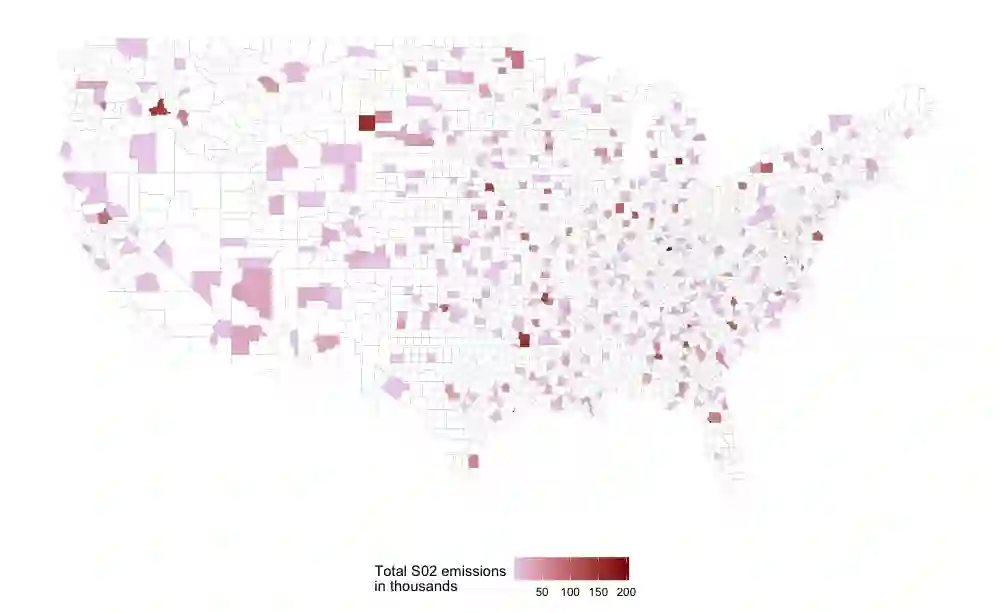
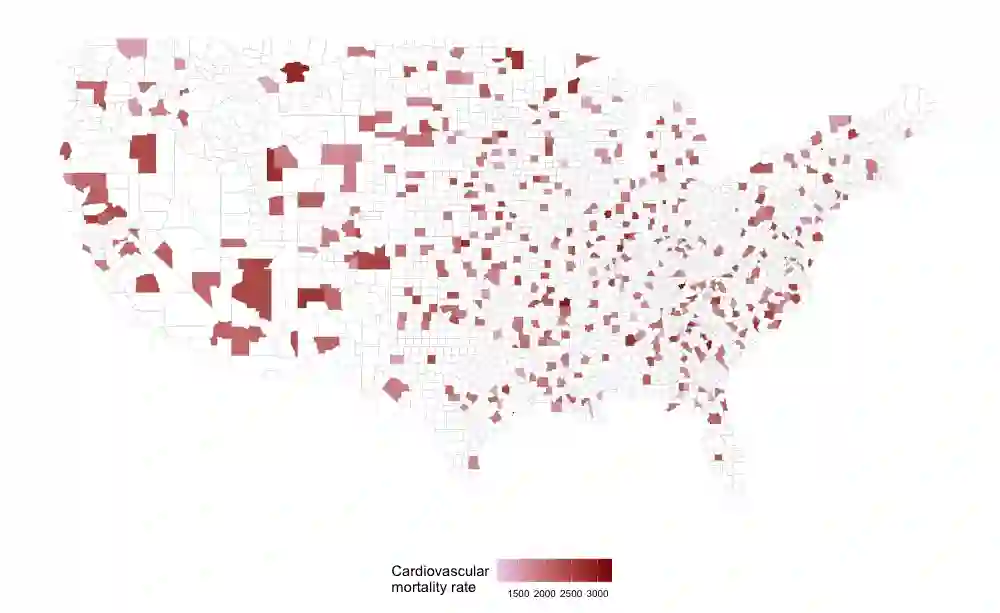
This manuscript bridges the divide between causal inference and spatial statistics, presenting novel insights for causal inference in spatial data analysis, and establishing how tools from spatial statistics can be used to draw causal inferences. We introduce spatial causal graphs to highlight that spatial confounding and interference can be entangled, in that investigating the presence of one can lead to wrongful conclusions in the presence of the other. Moreover, we show that spatial dependence in the exposure variable can render standard analyses invalid, which can lead to erroneous conclusions. To remedy these issues, we propose a Bayesian parametric approach based on tools commonly-used in spatial statistics. This approach simultaneously accounts for interference and mitigates bias resulting from local and neighborhood unmeasured spatial confounding. From a Bayesian perspective, we show that incorporating an exposure model is necessary, and we theoretically prove that all model parameters are identifiable, even in the presence of unmeasured confounding. To illustrate the approach's effectiveness, we provide results from a simulation study and a case study involving the impact of sulfur dioxide emissions from power plants on cardiovascular mortality.
翻译:本手稿弥合了因果推断与空间统计学之间的鸿沟,为空间数据分析中的因果推断提供了新颖见解,并确立了如何利用空间统计学工具进行因果推断。我们引入空间因果图,揭示了空间混杂与干扰可能相互纠缠——对其中之一的探究可能在另一方存在时导致错误结论。此外,我们证明暴露变量的空间依赖性可能使标准分析失效,进而引发谬误结论。为解决这些问题,我们提出基于空间统计学常用工具的贝叶斯参数化方法。该方法能够同时处理干扰效应,并减轻由局部及邻域未测量空间混杂导致的偏差。从贝叶斯视角出发,我们论证了引入暴露模型的必要性,并从理论上证明所有模型参数在存在未测量混杂时仍具可辨识性。为展示该方法的有效性,我们提供了模拟研究及关于火电厂二氧化硫排放对心血管死亡率影响的案例研究结果。




相关内容




 微信扫码咨询专知VIP会员