

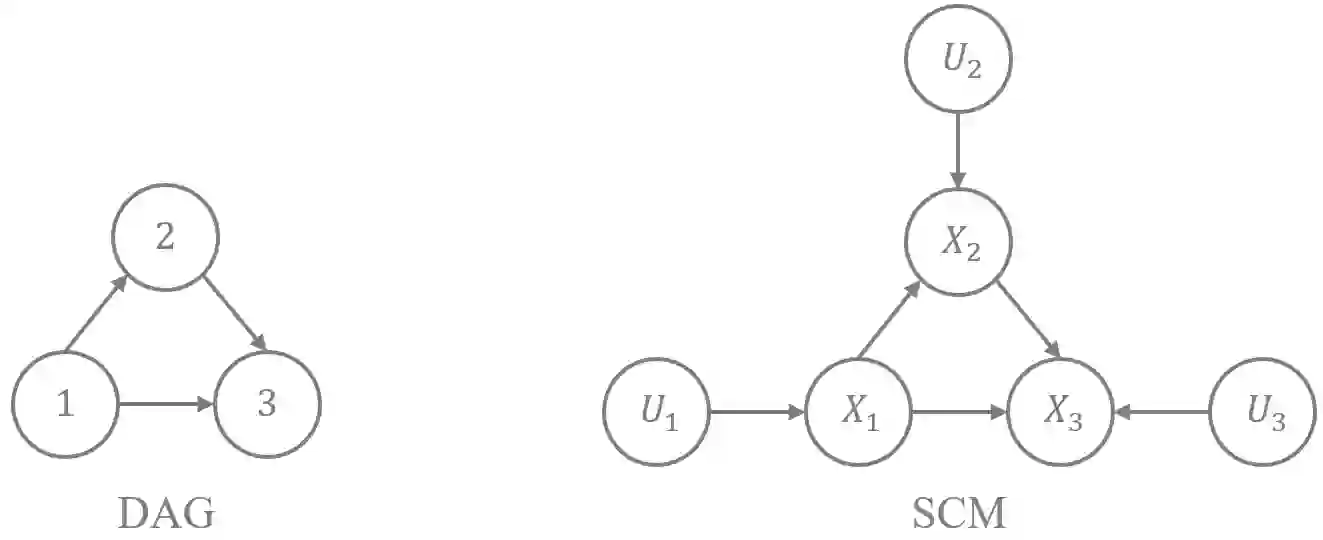
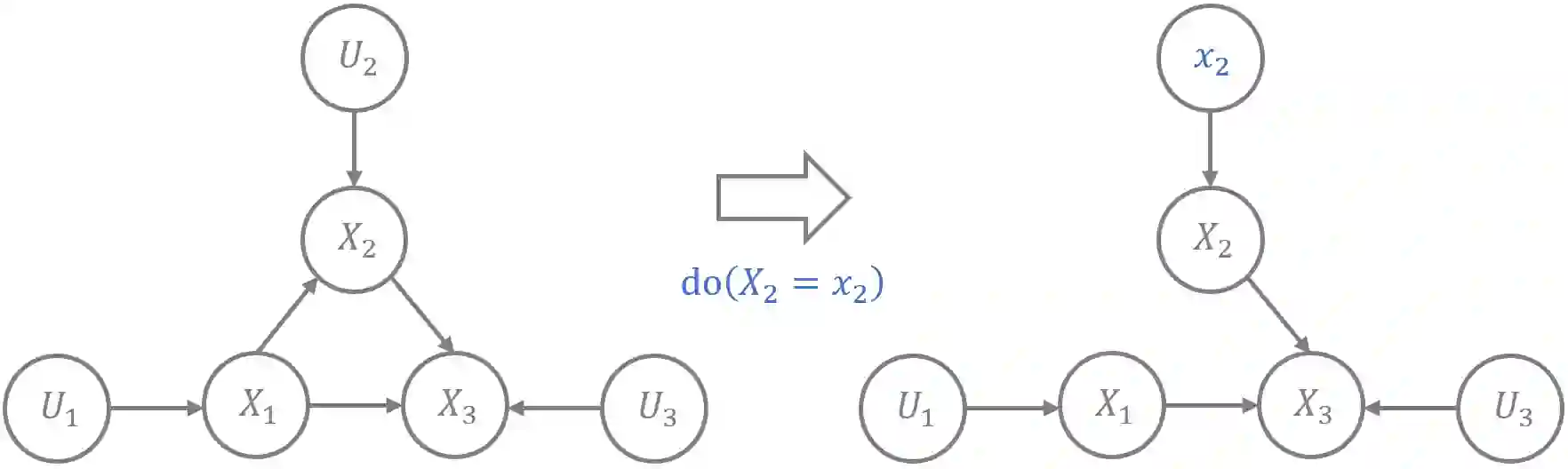
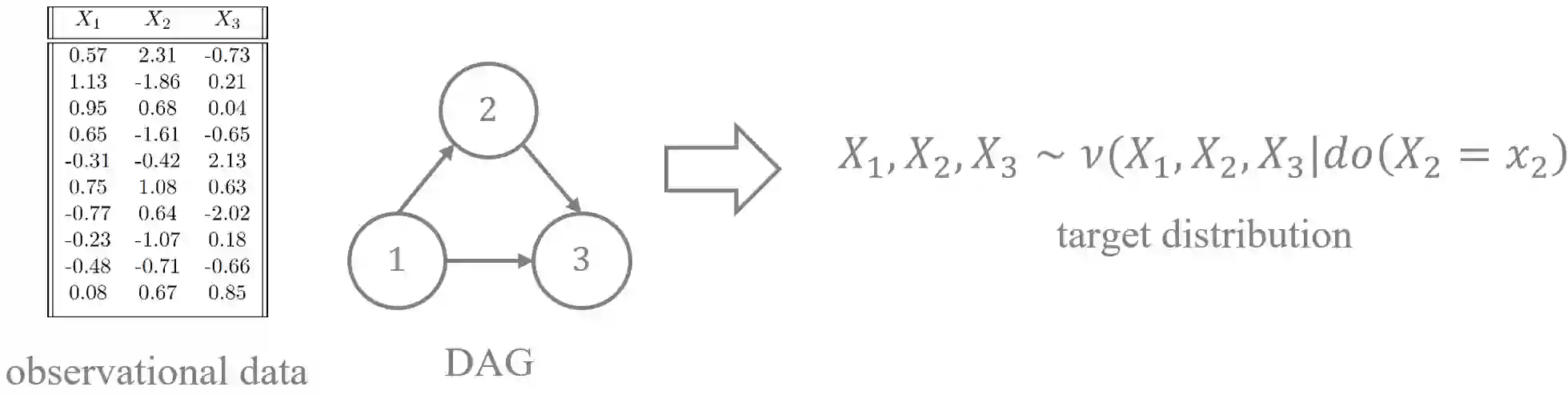
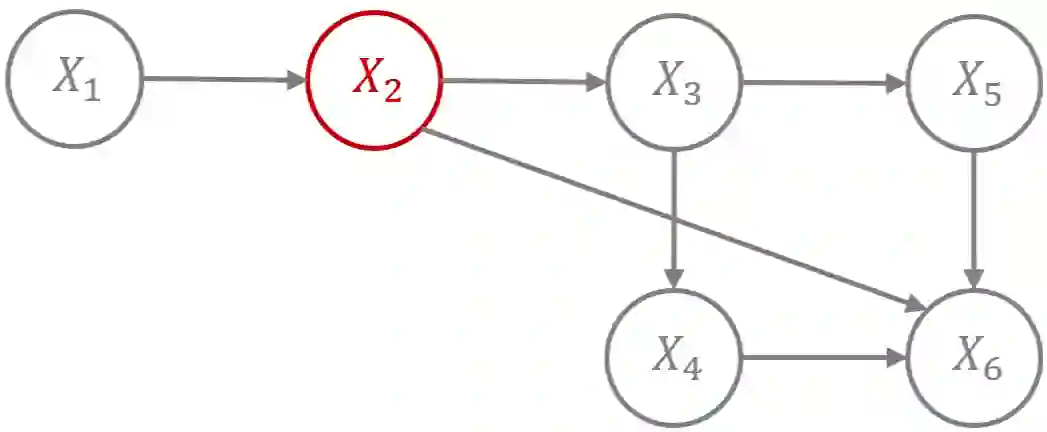
We study how to extend the use of the diffusion model to answer the causal question from the observational data under the existence of unmeasured confounders. In Pearl's framework of using a Directed Acyclic Graph (DAG) to capture the causal intervention, a Diffusion-based Causal Model (DCM) was proposed incorporating the diffusion model to answer the causal questions more accurately, assuming that all of the confounders are observed. However, unmeasured confounders in practice exist, which hinders DCM from being applicable. To alleviate this limitation of DCM, we propose an extended model called Backdoor Criterion based DCM (BDCM), whose idea is rooted in the Backdoor criterion to find the variables in DAG to be included in the decoding process of the diffusion model so that we can extend DCM to the case with unmeasured confounders. Synthetic data experiment demonstrates that our proposed model captures the counterfactual distribution more precisely than DCM under the unmeasured confounders.
翻译:我们研究了如何扩展扩散模型的应用,以在存在未测量混杂因素的情况下从观测数据回答因果问题。在Pearl框架中,通过有向无环图(DAG)刻画因果干预,已有工作提出了基于扩散的因果模型(DCM),该模型假设所有混杂因素可观测,从而更准确地回答因果问题。然而,实际中存在的未测量混杂因素限制了DCM的适用性。为缓解这一局限,我们提出一种扩展模型——基于后门准则的DCM(BDCM),其核心思想源于后门准则,通过识别DAG中需纳入扩散模型解码过程的变量,使DCM能扩展至存在未测量混杂因素的场景。合成数据实验表明,在存在未测量混杂因素时,我们提出的模型比DCM更精确地捕捉了反事实分布。





相关内容



 微信扫码咨询专知VIP会员