

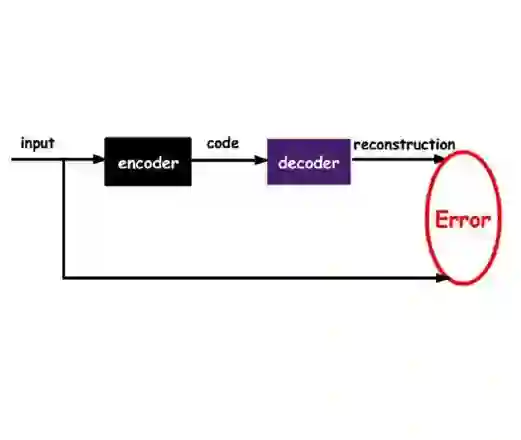
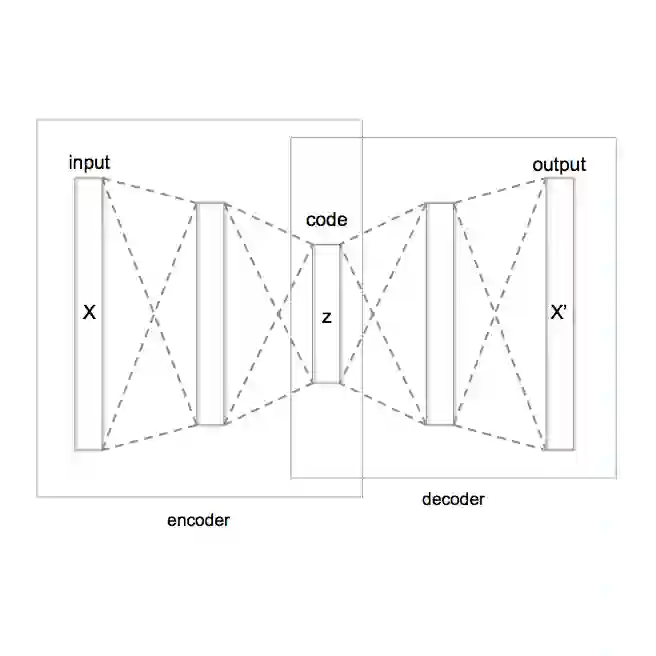
In this paper, we present a simulation and control framework for generating biomechanically plausible motion for muscle-actuated characters. We incorporate a fatigue dynamics model, the 3CC-r model, into the widely-adopted Hill-type muscle model to simulate the development and recovery of fatigue in muscles, which creates a natural evolution of motion style caused by the accumulation of fatigue from prolonged activities. To address the challenging problem of controlling a musculoskeletal system with high degrees of freedom, we propose a novel muscle-space control strategy based on PD control. Our simulation and control framework facilitates the training of a generative model for muscle-based motion control, which we refer to as MuscleVAE. By leveraging the variational autoencoders (VAEs), MuscleVAE is capable of learning a rich and flexible latent representation of skills from a large unstructured motion dataset, encoding not only motion features but also muscle control and fatigue properties. We demonstrate that the MuscleVAE model can be efficiently trained using a model-based approach, resulting in the production of high-fidelity motions and enabling a variety of downstream tasks.
翻译:本文提出了一种用于生成肌肉驱动角色生物力学合理运动的仿真与控制框架。我们将疲劳动力学模型(3CC-r模型)集成到广泛采用的希尔型肌肉模型中,以模拟肌肉疲劳的产生与恢复过程,从而通过长时间活动导致的疲劳累积形成运动风格的自然演变。针对高自由度肌肉骨骼系统的控制难题,我们提出了一种基于PD控制的创新肌肉空间控制策略。该仿真与控制框架有助于训练一种基于肌肉的运动控制生成模型,我们将其命名为MuscleVAE。通过利用变分自编码器(VAE),MuscleVAE能够从大规模非结构化运动数据集中学习丰富且灵活的技能潜在表征,不仅编码运动特征,还包含肌肉控制与疲劳特性。实验证明,采用基于模型的方法可高效训练MuscleVAE模型,从而生成高保真运动,并支持多种下游任务。




相关内容



 微信扫码咨询专知VIP会员