

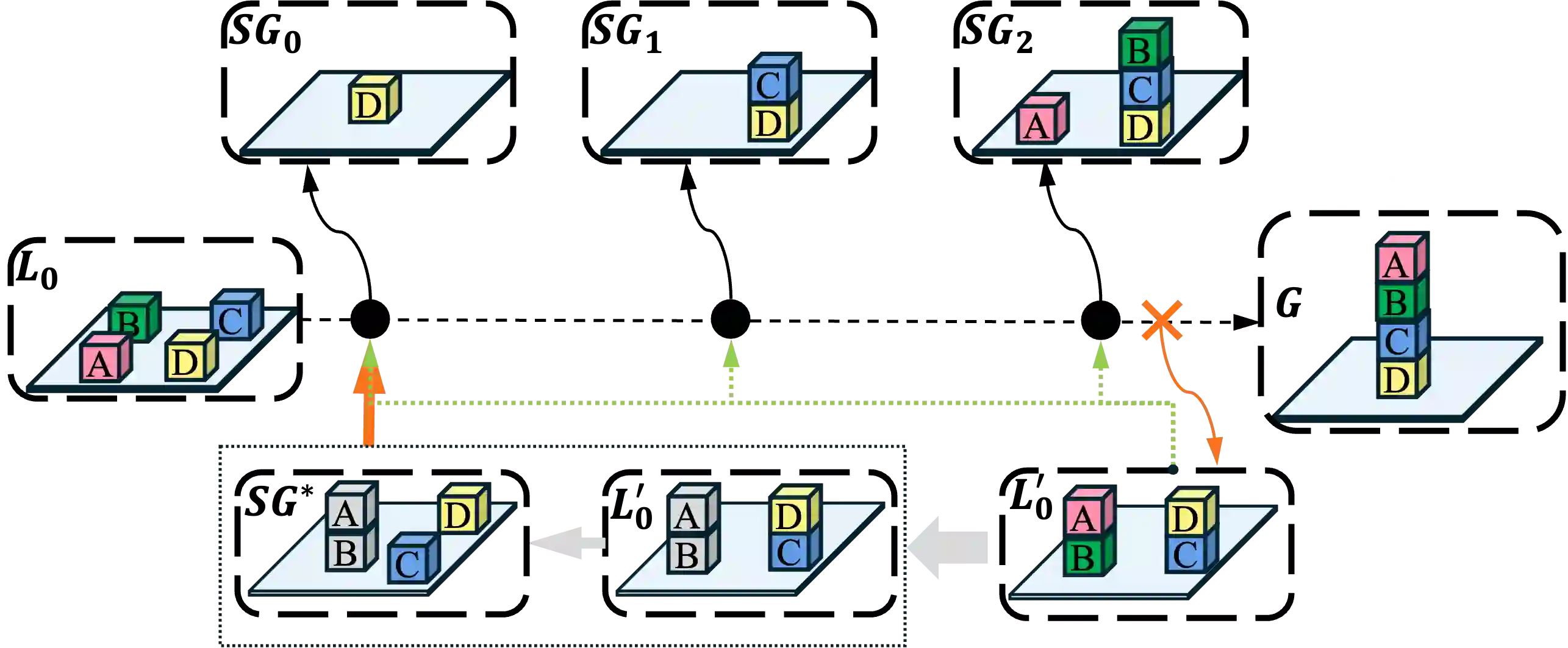
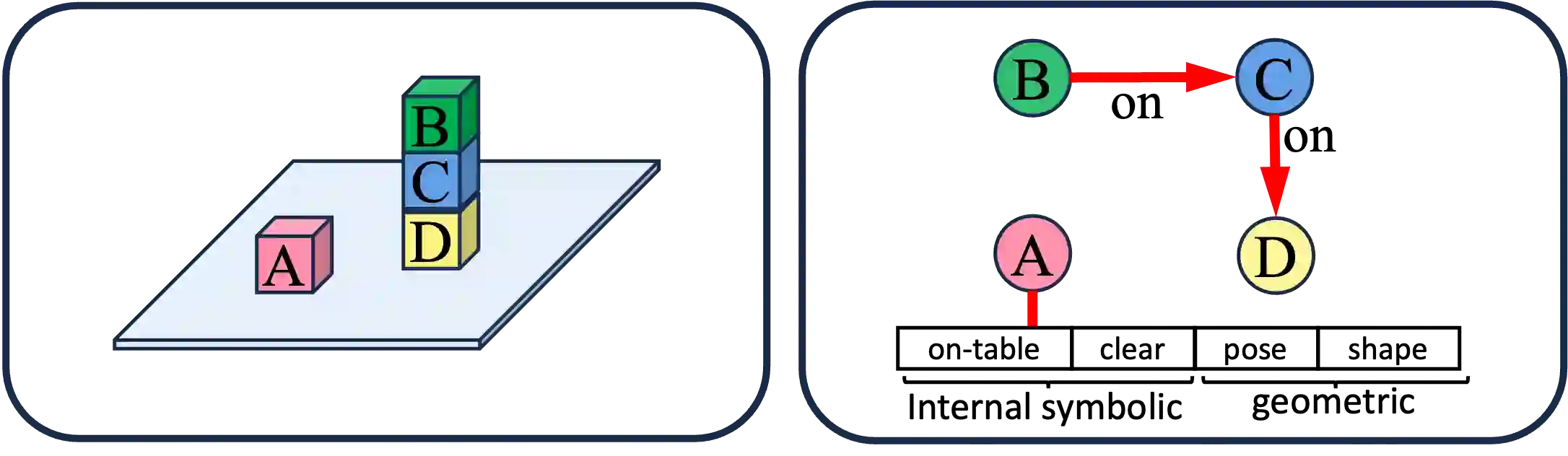
We present an efficient task and motion replanning approach for sequential multi-object manipulation in dynamic environments. Conventional Task And Motion Planning (TAMP) solvers experience an exponential increase in planning time as the planning horizon and number of objects grow, limiting their applicability in real-world scenarios. To address this, we propose learning problem decompositions from demonstrations to accelerate TAMP solvers. Our approach consists of three key components: goal decomposition learning, computational distance learning, and object reduction. Goal decomposition identifies the necessary sequences of states that the system must pass through before reaching the final goal, treating them as subgoal sequences. Computational distance learning predicts the computational complexity between two states, enabling the system to identify the temporally closest subgoal from a disturbed state. Object reduction minimizes the set of active objects considered during replanning, further improving efficiency. We evaluate our approach on three benchmarks, demonstrating its effectiveness in improving replanning efficiency for sequential multi-object manipulation tasks in dynamic environments.
翻译:本文提出了一种适用于动态环境中顺序多物体操作的高效任务与运动重规划方法。传统的任务与运动规划求解器在规划时域和物体数量增加时,其规划时间呈指数级增长,这限制了其在实际场景中的应用。为解决此问题,我们提出通过从演示中学习问题分解来加速TAMP求解器。我们的方法包含三个关键组成部分:目标分解学习、计算距离学习和物体约简。目标分解识别系统在达到最终目标前必须经过的必要状态序列,并将其视为子目标序列。计算距离学习预测两个状态之间的计算复杂度,使系统能够从受扰状态中识别出时间上最近的子目标。物体约简则最小化重规划过程中考虑的活跃物体集合,从而进一步提升效率。我们在三个基准测试上评估了所提方法,结果证明了其在提升动态环境中顺序多物体操作任务的重规划效率方面的有效性。




相关内容



 微信扫码咨询专知VIP会员