

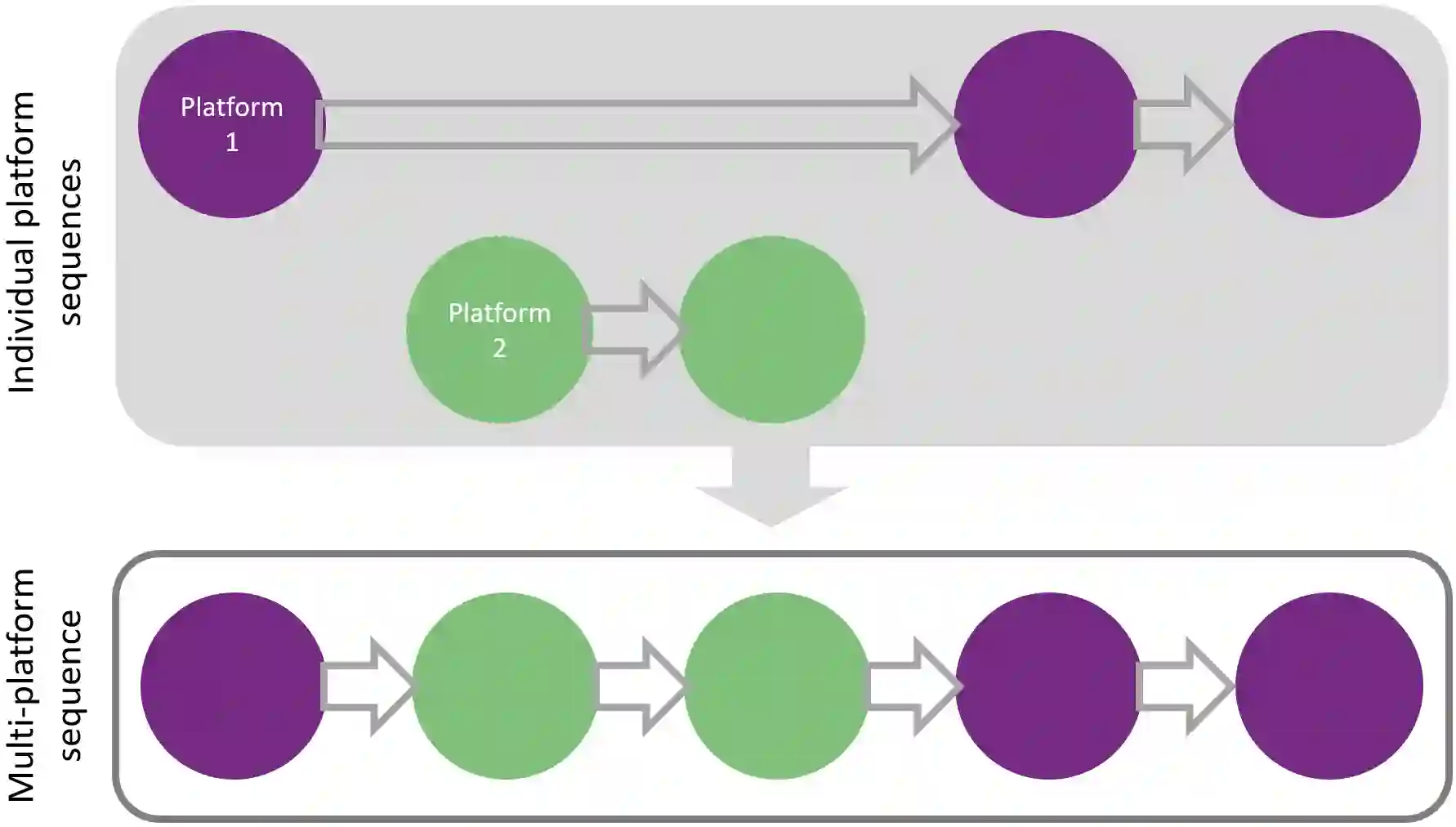
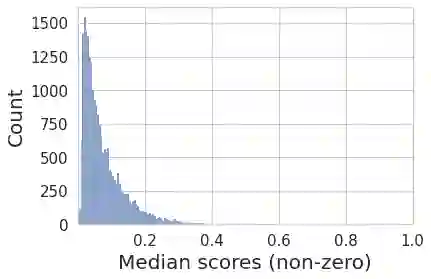
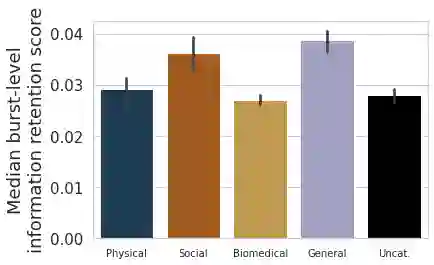
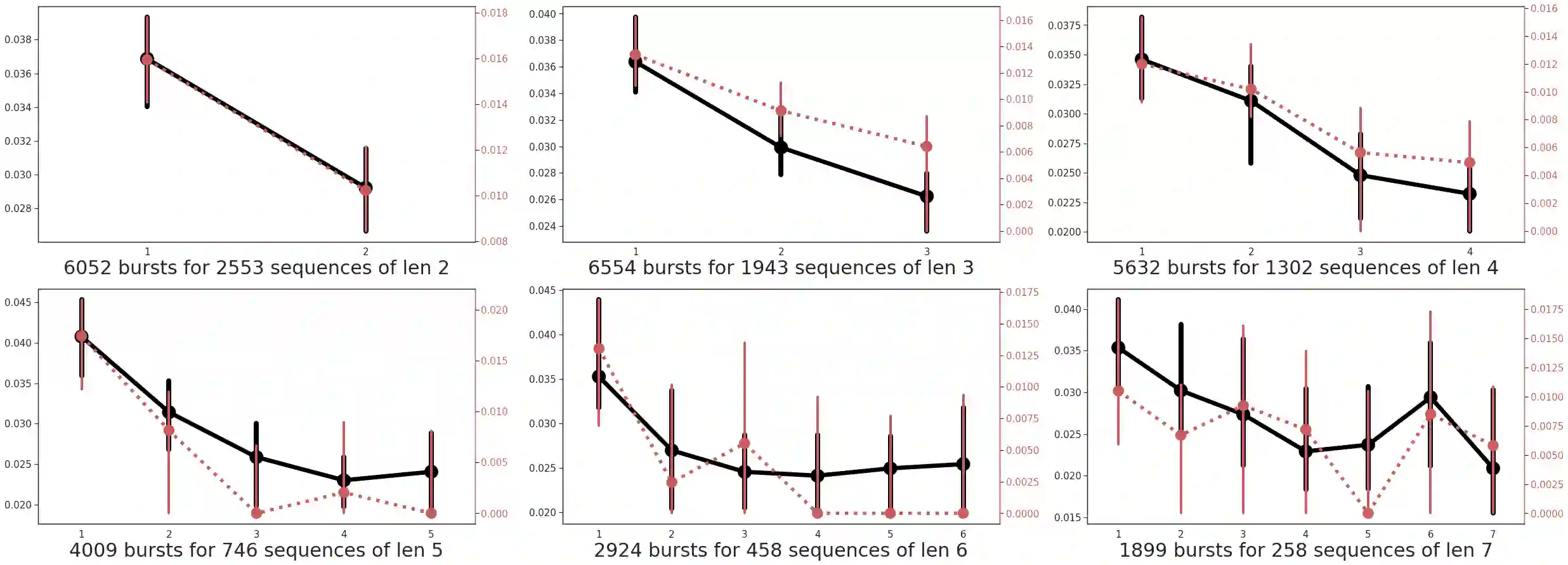
The public interest in accurate scientific communication, underscored by recent public health crises, highlights how content often loses critical pieces of information as it spreads online. However, multi-platform analyses of this phenomenon remain limited due to challenges in data collection. Collecting mentions of research tracked by Altmetric LLC, we examine information retention in the over 4 million online posts referencing 9,765 of the most-mentioned scientific articles across blog sites, Facebook, news sites, Twitter, and Wikipedia. To do so, we present a burst-based framework for examining online discussions about science over time and across different platforms. To measure information retention we develop a keyword-based computational measure comparing an online post to the scientific article's abstract. We evaluate our measure using ground truth data labeled by within field experts. We highlight three main findings: first, we find a strong tendency towards low levels of information retention, following a distinct trajectory of loss except when bursts of attention begin in social media. Second, platforms show significant differences in information retention. Third, sequences involving more platforms tend to be associated with higher information retention. These findings highlight a strong tendency towards information loss over time - posing a critical concern for researchers, policymakers, and citizens alike - but suggest that multi-platform discussions may improve information retention overall.
翻译:公众对准确科学传播的关注,因近期公共卫生危机而愈发凸显,揭示了内容在线上传播时经常丢失关键信息的问题。然而,由于数据收集的挑战,对此现象的多平台分析仍然有限。我们收集了Altmetric LLC追踪的研究引用,对超过400万条线上帖子进行信息保持分析,这些帖子引用了博客网站、Facebook、新闻网站、Twitter和维基百科上9765篇被提及最多的科学文章。为此,我们提出了一种基于突发性框架的方法,用于跨时间、跨平台分析科学在线讨论。为衡量信息保持,我们开发了一种基于关键词的计算方法,将线上帖子与科学文章的摘要进行比较。我们使用领域专家标注的真实数据评估了该方法。我们重点呈现三个主要发现:首先,信息保持普遍处于较低水平,且遵循明显的损失轨迹,除非注意力爆发始于社交媒体;其次,各平台在信息保持方面存在显著差异;第三,涉及更多平台的序列往往与更高的信息保持相关。这些发现凸显了信息随时间推移而严重丢失的趋势——这对研究人员、政策制定者及公众均构成关键担忧——但也表明多平台讨论可能在整体上改善信息保持。




相关内容




 微信扫码咨询专知VIP会员