

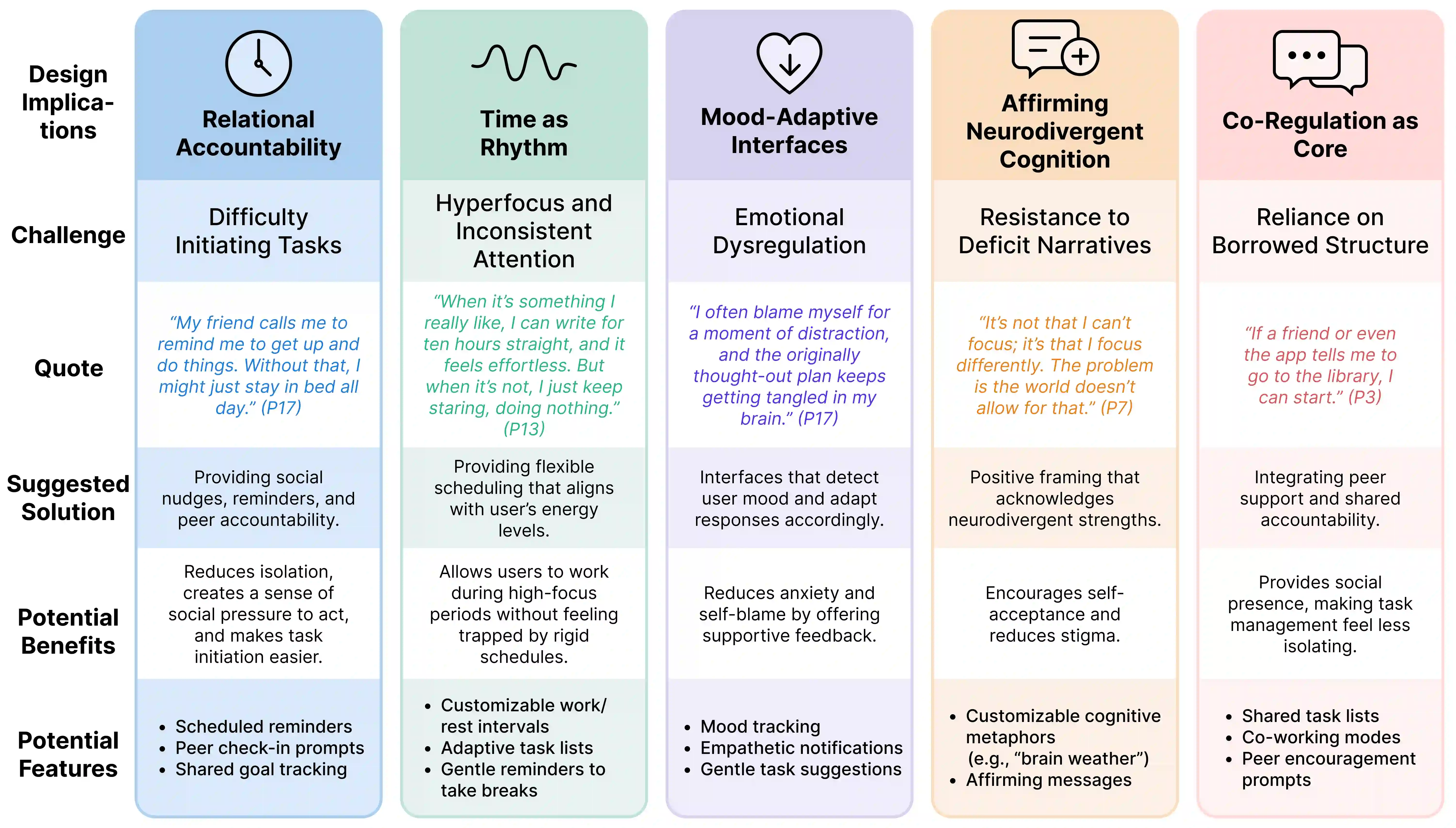
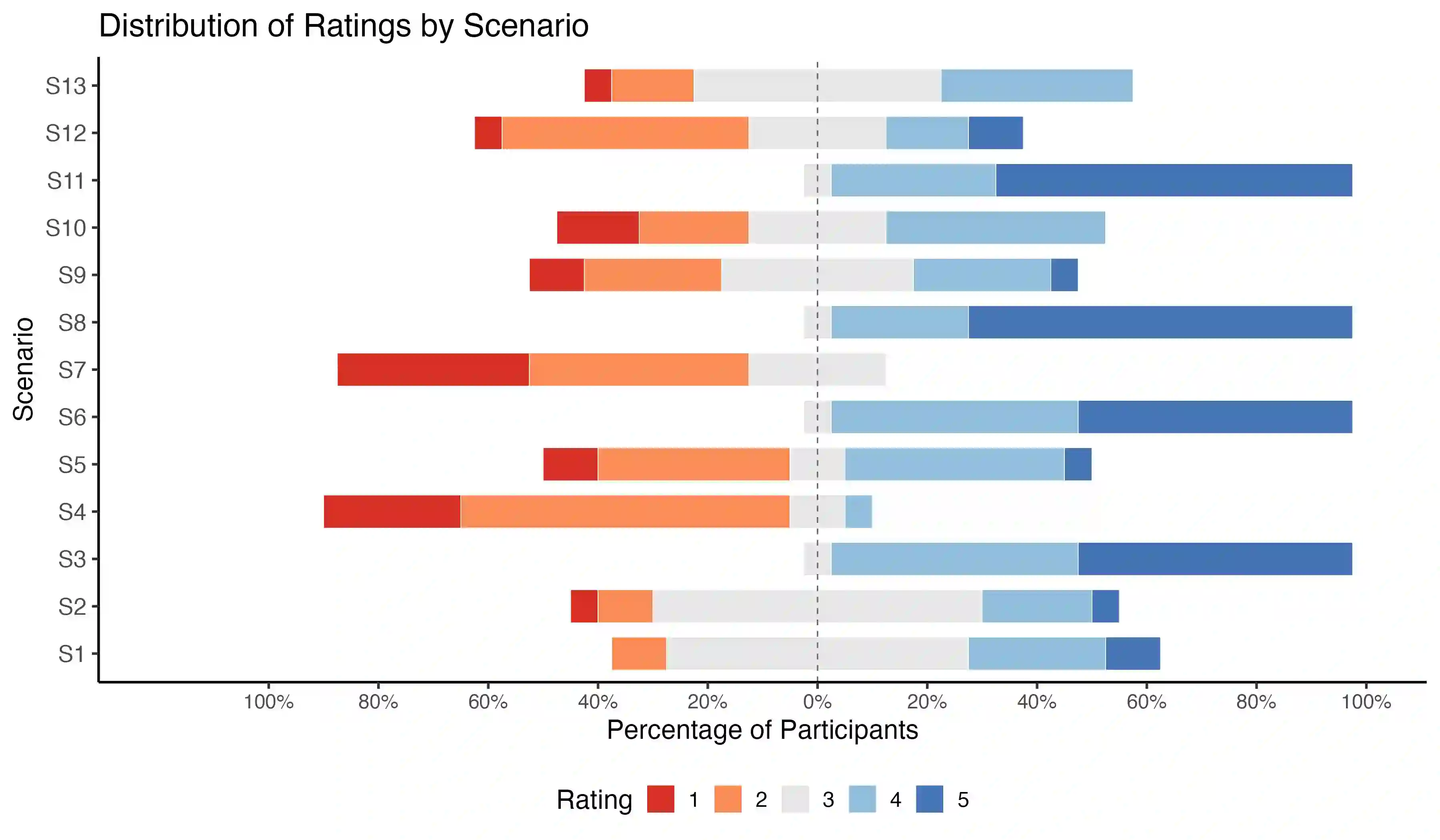
Adults with ADHD often face challenges with task management, not due to a lack of willpower, but because of emotional and relational misalignments between cognitive needs and normative infrastructures. Existing productivity tools, designed for neurotypical users, often assume consistent self-regulation and linear time, overlooking these differences. We conducted 22 semi-structured interviews with ADHD-identifying adults, exploring their challenges in task management and their coping mechanisms through socially and emotionally scaffolded strategies. Building on these insights, we conducted a follow-up speed dating study with 20 additional ADHD-identifying adults, focusing on 13 speculative design concepts that leverage AI for task support. Our findings reveal that task management among adults with ADHD is relationally and affectively co-constructed, rather than an isolated individual act. Overall, we provide (1) empirical insights into distributed and emotionally scaffolded task management practices, (2) design implications for socially-aware AI systems that support co-regulation and nonlinear attention rhythms, and (3)an analysis of user preferences for different AI design concepts, clarifying which features were most valued and why.
翻译:ADHD成人常面临任务管理挑战,这并非源于意志力缺乏,而是认知需求与规范基础设施之间存在情感及关系层面的错位。现有生产力工具专为神经典型用户设计,往往预设了稳定的自我调节与线性时间观念,忽视了这些差异。我们通过对22位自我认同为ADHD的成人进行半结构化访谈,探究其在任务管理中的挑战,以及他们如何通过社会性与情感性支架策略建立应对机制。基于这些发现,我们进一步对20位ADHD成人开展速配研究,聚焦于13个利用AI提供任务支持的推测性设计概念。研究结果表明,ADHD成人的任务管理是在关系与情感维度上共同建构的,而非孤立的个体行为。总体而言,本研究贡献包括:(1)对分布式及情感支架式任务管理实践的实证洞察;(2)为支持共同调节与非线性能量节律的社会感知AI系统提供设计启示;(3)分析用户对不同AI设计概念的偏好,阐明最受重视的功能特性及其原因。






相关内容



 微信扫码咨询专知VIP会员