

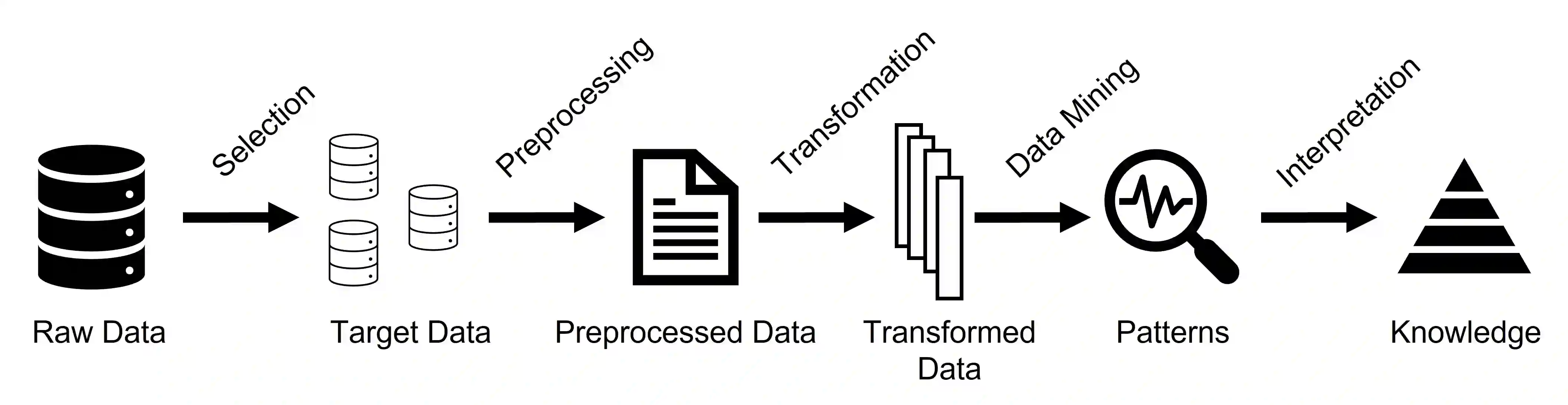
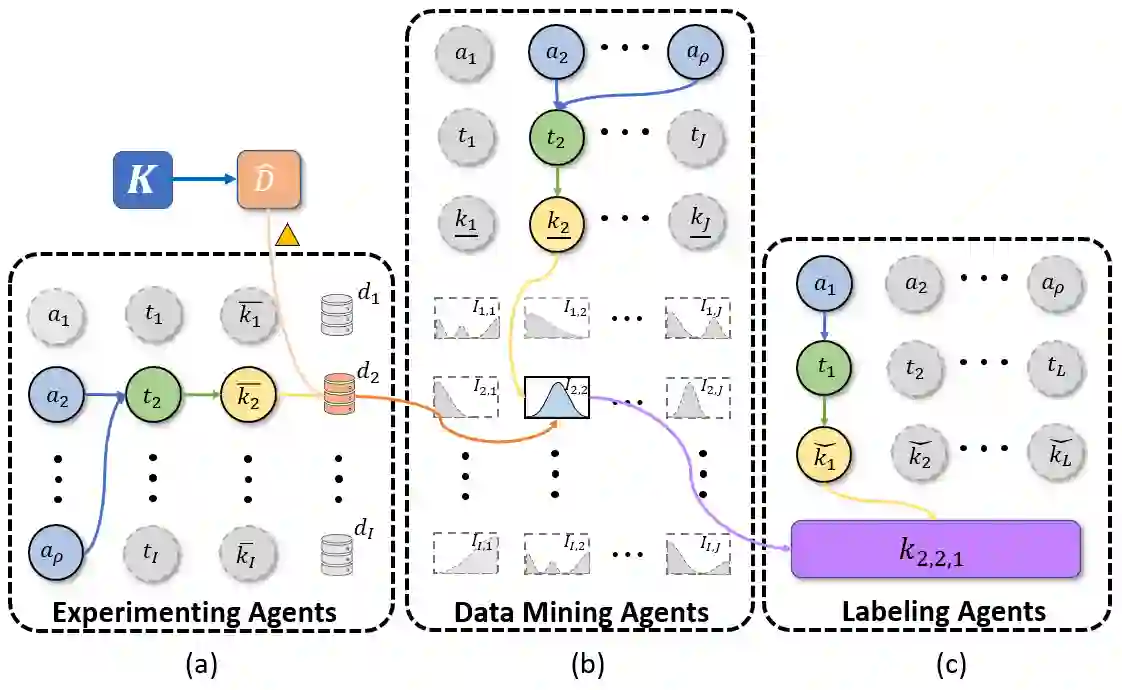
AI for Science (AI4Science), particularly in the form of self-driving labs, has the potential to sideline human involvement and hinder scientific discovery within the broader community. While prior research has focused on ensuring the responsible deployment of AI applications, enhancing security, and ensuring interpretability, we also propose that promoting openness in AI4Science discoveries should be carefully considered. In this paper, we introduce the concept of AI for Open Science (AI4OS) as a multi-agent extension of AI4Science with the core principle of maximizing open knowledge translation throughout the scientific enterprise rather than a single organizational unit. We use the established principles of Knowledge Discovery and Data Mining (KDD) to formalize a language around AI4OS. We then discuss three principle stages of knowledge translation embedded in AI4Science systems and detail specific points where openness can be applied to yield an AI4OS alternative. Lastly, we formulate a theoretical metric to assess AI4OS with a supporting ethical argument highlighting its importance. Our goal is that by drawing attention to AI4OS we can ensure the natural consequence of AI4Science (e.g., self-driving labs) is a benefit not only for its developers but for society as a whole.
翻译:人工智能驱动的科学(AI4Science),尤其是以自驱动实验室为代表的形式,可能削弱人类参与并阻碍更广泛社群内的科学发现。尽管已有研究聚焦于确保AI应用的负责任部署、增强安全性和可解释性,我们进一步提出,应审慎考虑提升AI4Science发现过程的开放性。本文提出“面向开放科学的人工智能”(AI4OS)概念,作为AI4Science的多智能体扩展,其核心原则是在整个科学事业中(而非单一组织单元内)最大化开放知识转化。我们利用知识发现与数据挖掘(KDD)的既定原则,构建了AI4OS的形式化描述语言。随后,探讨了AI4Science系统中嵌入的知识转化三个阶段,并详细阐述了可应用开放性以生成AI4OS替代方案的具体节点。最后,我们设计了一个理论评估指标用于衡量AI4OS,并辅以支持其重要性的伦理论证。我们的目标是,通过聚焦AI4OS,确保AI4Science的必然产物(如自驱动实验室)不仅惠及开发者,更能造福整个社会。




相关内容




 微信扫码咨询专知VIP会员