

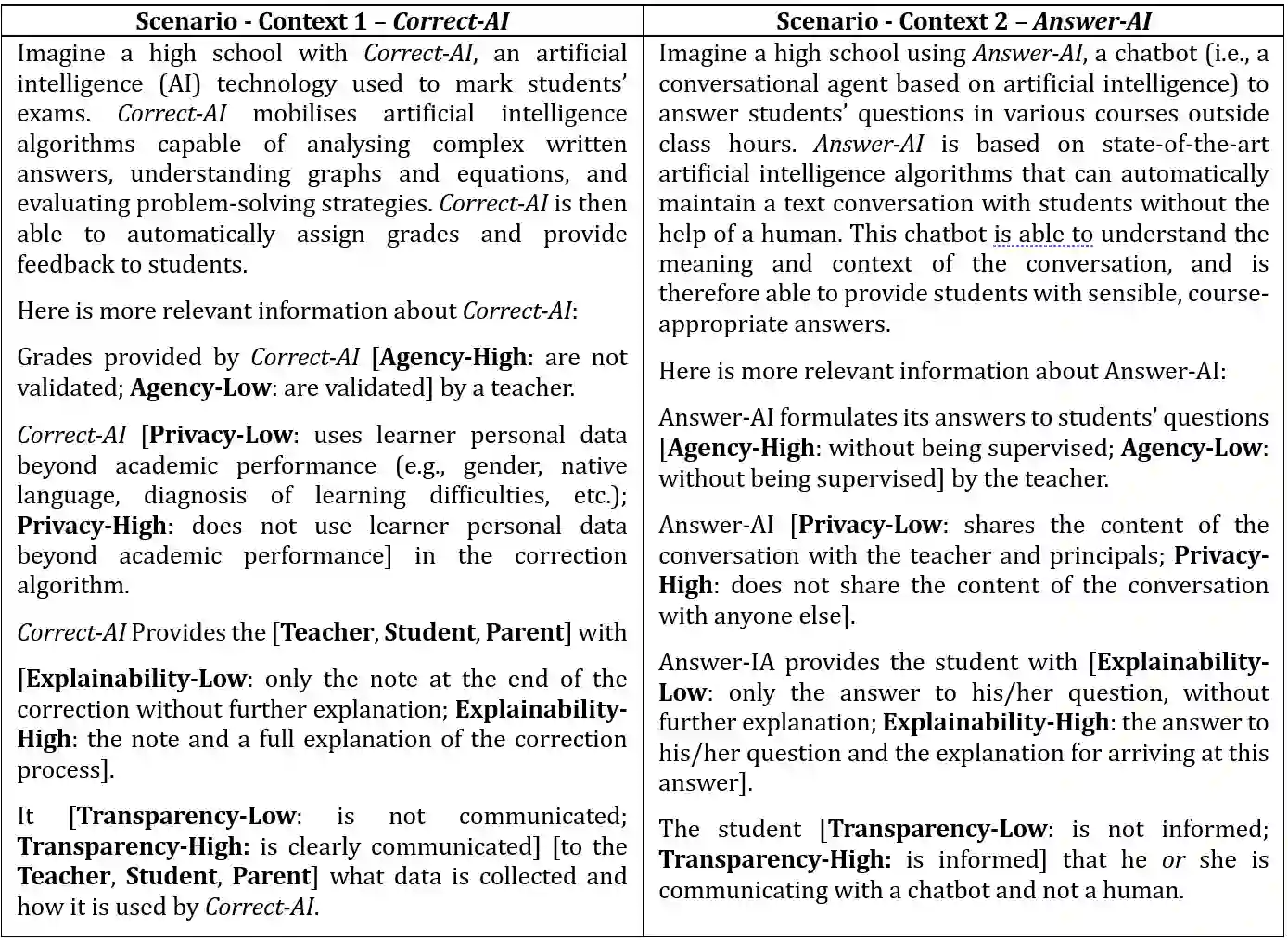
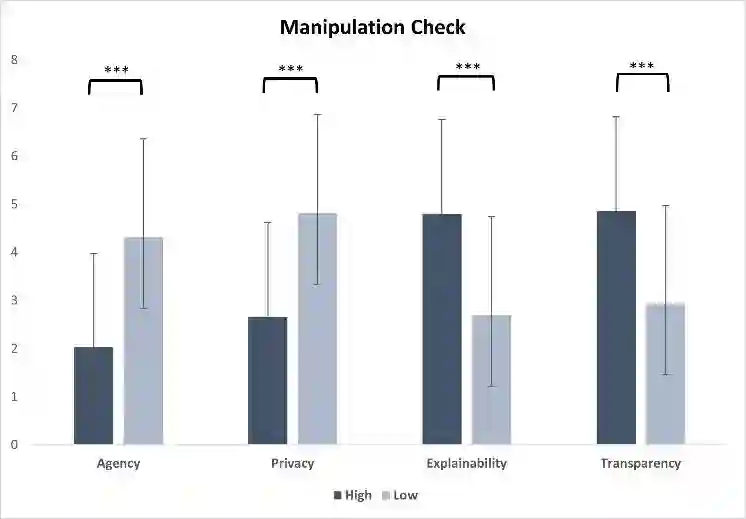
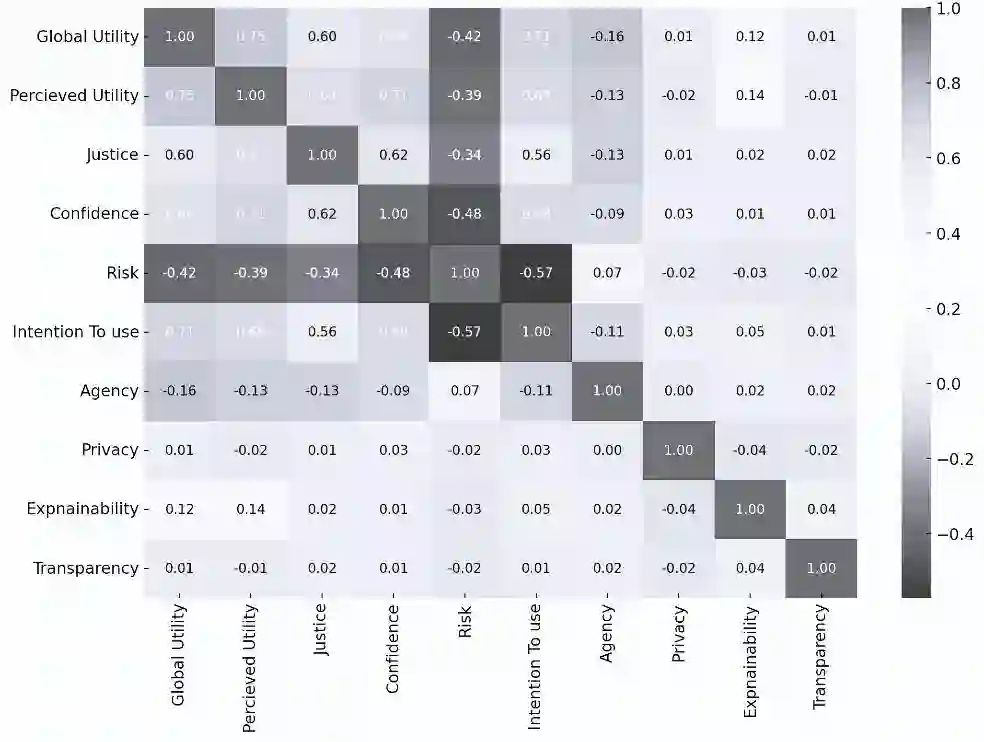
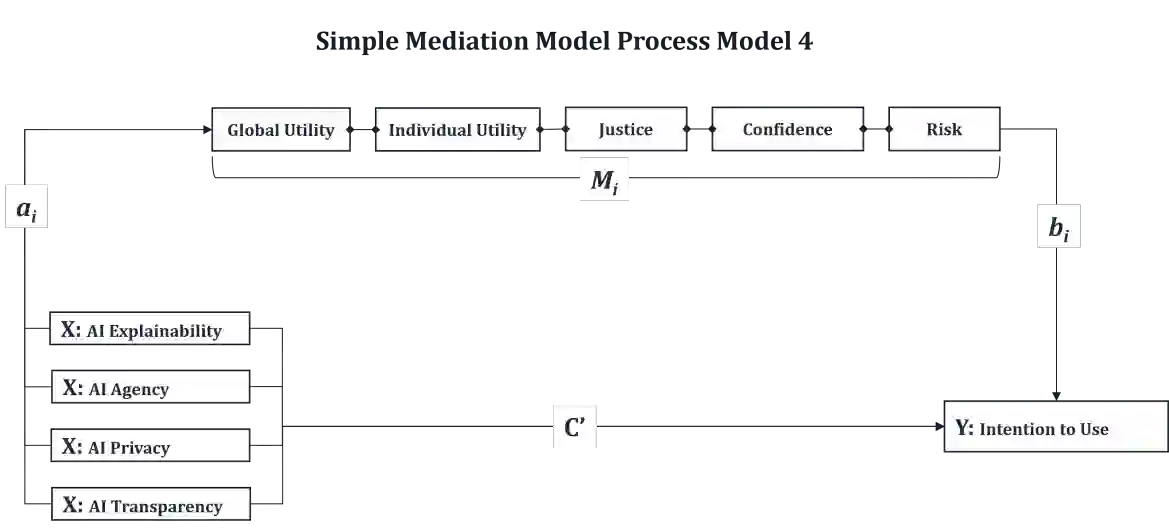
This study investigates the acceptability of different artificial intelligence (AI) applications in education from a multi-stakeholder perspective, including students, teachers, and parents. Acknowledging the transformative potential of AI in education, it addresses concerns related to data privacy, AI agency, transparency, explainability and the ethical deployment of AI. Through a vignette methodology, participants were presented with four scenarios where AI's agency, transparency, explainability, and privacy were manipulated. After each scenario, participants completed a survey that captured their perceptions of AI's global utility, individual usefulness, justice, confidence, risk, and intention to use each scenario's AI if available. The data collection comprising a final sample of 1198 multi-stakeholder participants was distributed through a partner institution and social media campaigns and focused on individual responses to four AI use cases. A mediation analysis of the data indicated that acceptance and trust in AI varies significantly across stakeholder groups. We found that the key mediators between high and low levels of AI's agency, transparency, and explainability, as well as the intention to use the different educational AI, included perceived global utility, justice, and confidence. The study highlights that the acceptance of AI in education is a nuanced and multifaceted issue that requires careful consideration of specific AI applications and their characteristics, in addition to the diverse stakeholders' perceptions.
翻译:本研究从学生、教师及家长等多利益相关者视角,探讨不同人工智能(AI)应用在教育领域的可接受性。在承认AI教育变革潜力的同时,研究聚焦于数据隐私、AI自主性、透明度、可解释性及伦理部署等关切问题。通过情境实验法,参与者被呈现四个不同场景,其中AI的自主性、透明度、可解释性和隐私性被加以操控。每个场景后,参与者完成一份调查问卷,以评估其对AI整体效用、个体实用性、公平性、信任度、风险感知及使用该场景中AI(若可用)的意图。数据收集最终样本包含1198名多利益相关者参与者,通过合作机构及社交媒体宣传活动分发,聚焦于个体对四种AI应用场景的反馈。对数据的中介效应分析表明,不同利益相关群体对AI的接受度与信任度存在显著差异。研究发现,在AI自主性、透明度、可解释性的高低水平与使用不同教育AI的意图之间,关键中介变量包括感知整体效用、公平性及信任度。本研究强调,教育领域AI的可接受性是一个微妙且多维的问题,除需考虑多元利益相关者感知外,还须审慎评估具体AI应用及其特性。




相关内容




 微信扫码咨询专知VIP会员