

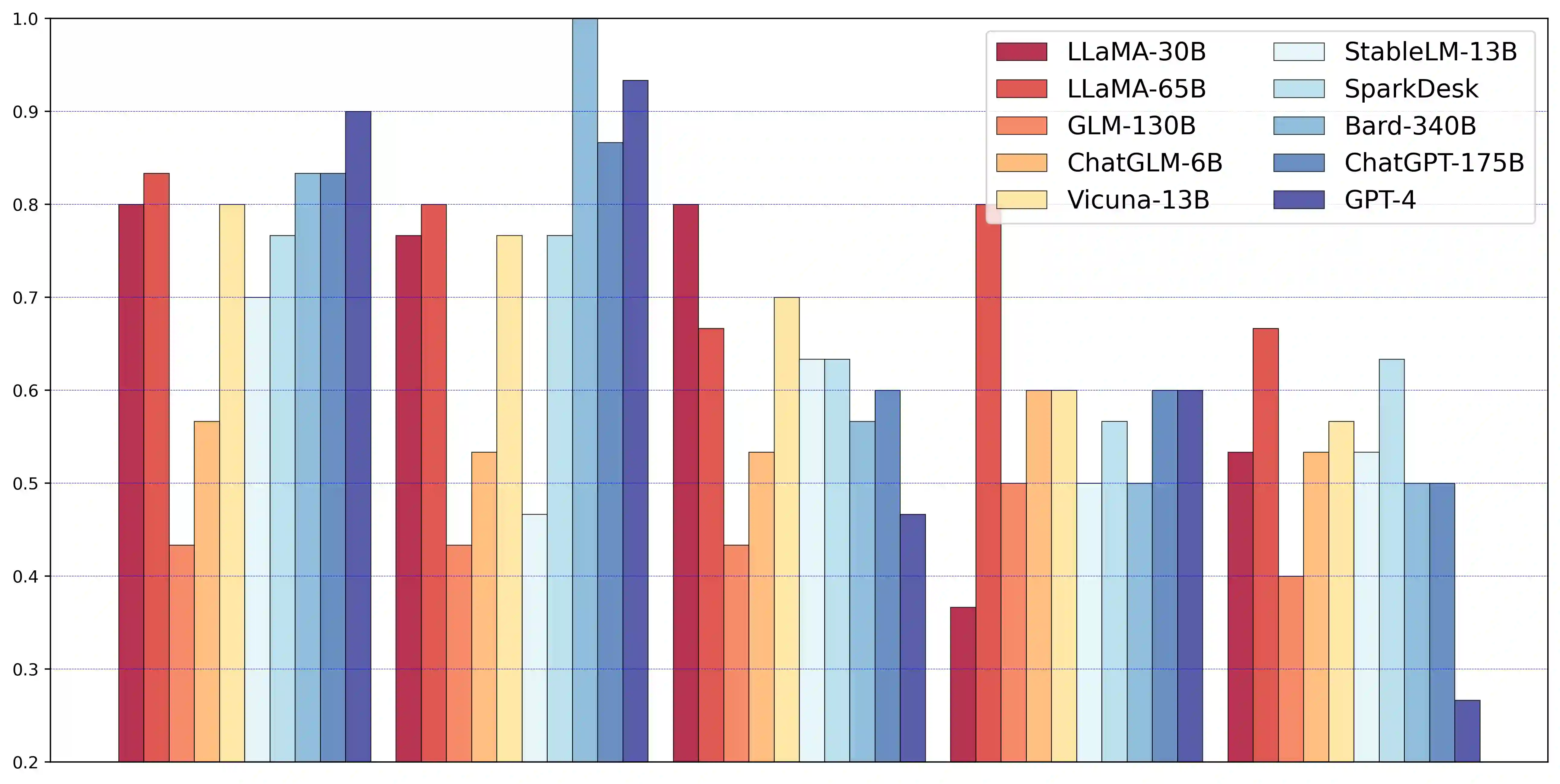
Big models have greatly advanced AI's ability to understand, generate, and manipulate information and content, enabling numerous applications. However, as these models become increasingly integrated into everyday life, their inherent ethical values and potential biases pose unforeseen risks to society. This paper provides an overview of the risks and challenges associated with big models, surveys existing AI ethics guidelines, and examines the ethical implications arising from the limitations of these models. Taking a normative ethics perspective, we propose a reassessment of recent normative guidelines, highlighting the importance of collaborative efforts in academia to establish a unified and universal AI ethics framework. Furthermore, we investigate the moral inclinations of current mainstream LLMs using the Moral Foundation theory, analyze existing alignment algorithms, and outline the unique challenges encountered in aligning ethical values within them. To address these challenges, we introduce a novel conceptual paradigm for aligning the ethical values of big models and discuss promising research directions for alignment criteria, evaluation, and method, representing an initial step towards the interdisciplinary construction of the ethically aligned AI This paper is a modified English version of our Chinese paper https://crad.ict.ac.cn/cn/article/doi/10.7544/issn1000-1239.202330553, intended to help non-Chinese native speakers better understand our work.
翻译:大模型极大提升了人工智能理解、生成和处理信息与内容的能力,催生了众多应用。然而,随着这些模型日益融入日常生活,其固有的伦理价值和潜在偏见对社会构成了不可预见的风险。本文概述了大模型面临的风险与挑战,梳理了现有AI伦理指南,并审视了因模型局限性引发的伦理问题。从规范伦理学视角出发,我们提出对近期规范指南进行再评估,强调学术界协同努力以建立统一、普适的AI伦理框架的重要性。进一步,我们运用道德基础理论探究当前主流大语言模型的道德倾向,分析现有对齐算法,并概述了在其中对齐伦理价值所面临的独特挑战。为应对这些挑战,我们提出了一种新颖的大模型伦理价值对齐概念范式,并探讨了对齐标准、评估与方法方面的有前景研究方向,这代表了迈向跨学科构建伦理对齐AI的初步尝试。本文是对我们中文论文(https://crad.ict.ac.cn/cn/article/doi/10.7544/issn1000-1239.202330553)的英文改编版,旨在帮助非汉语母语者更好地理解我们的工作。







相关内容




 微信扫码咨询专知VIP会员