

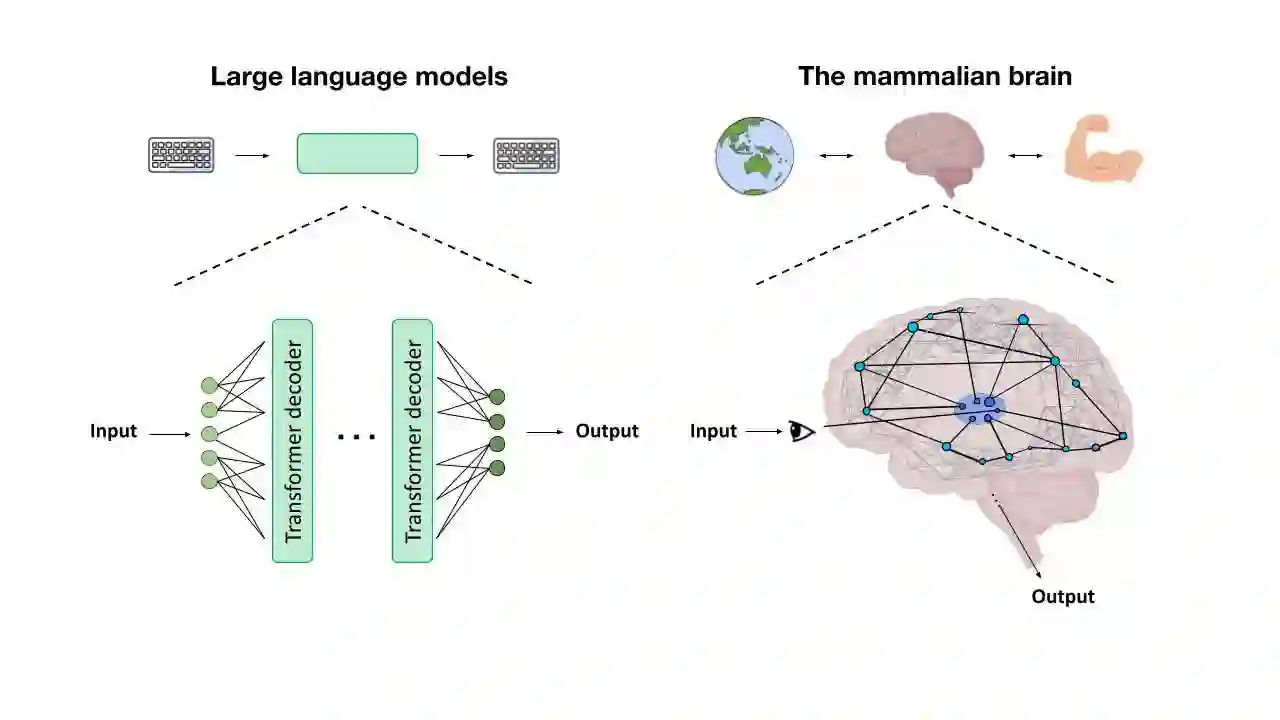
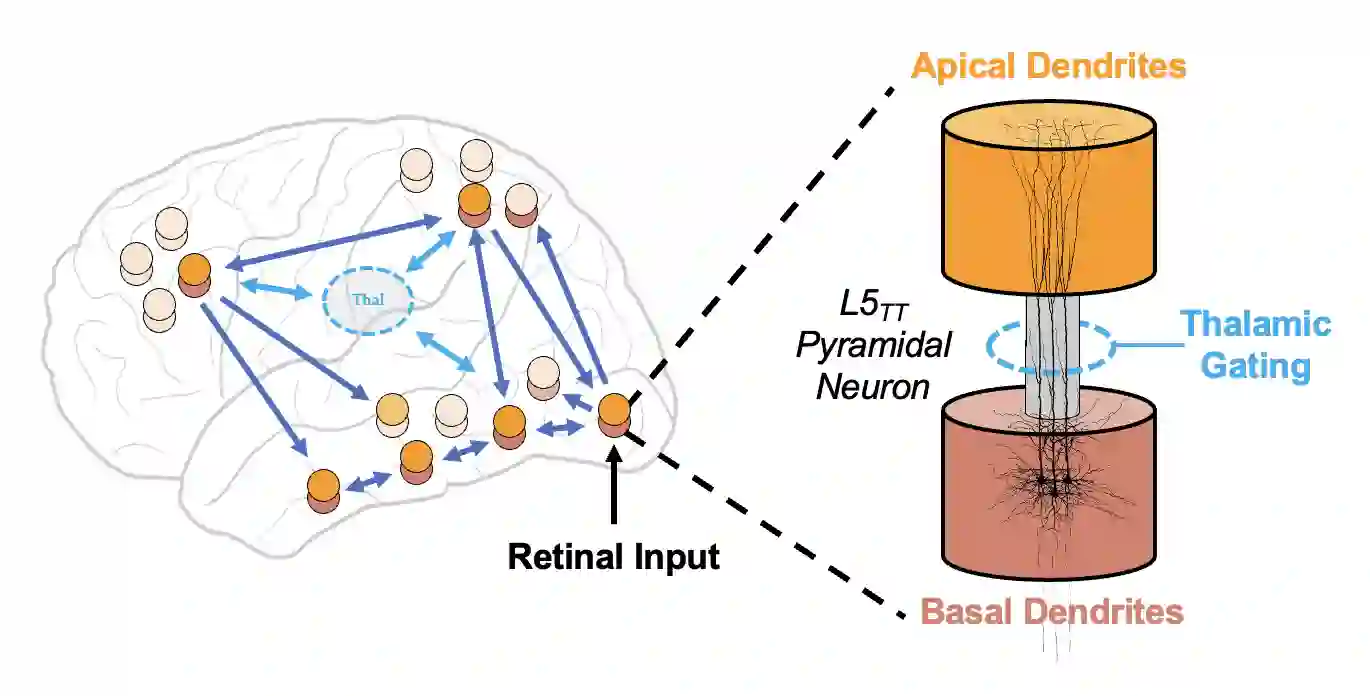
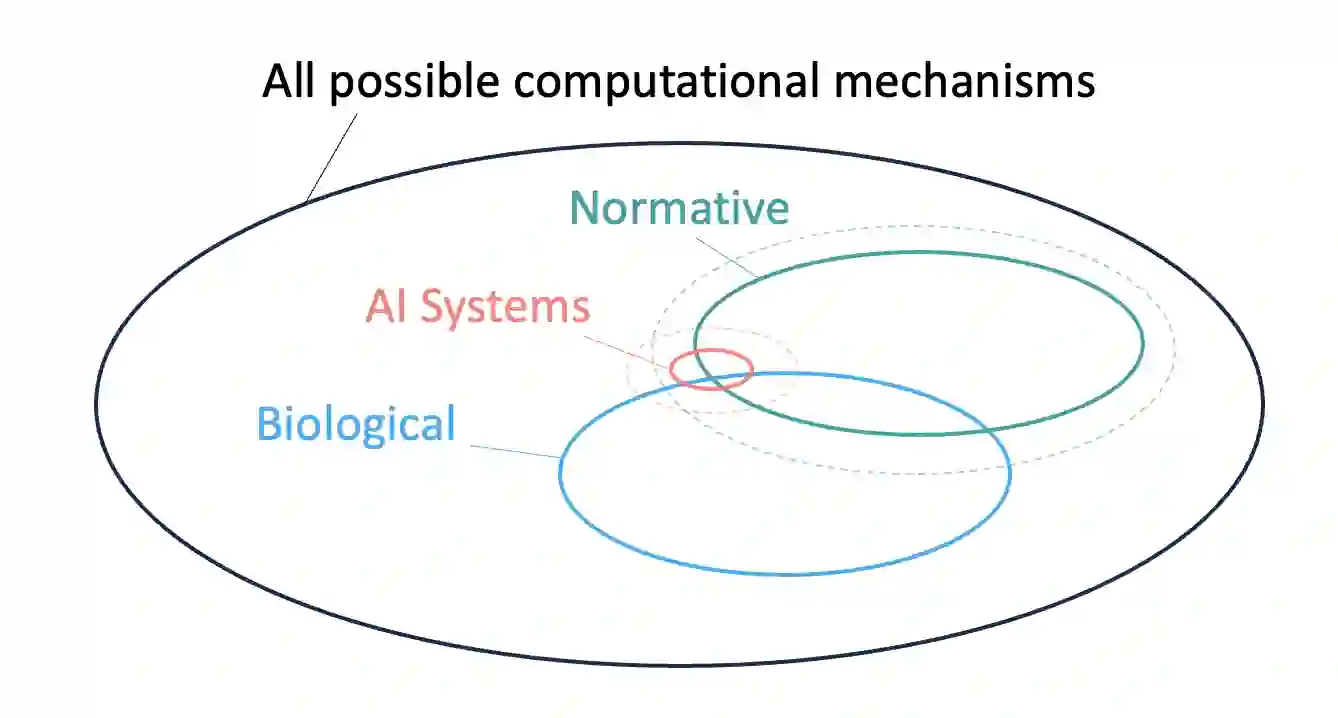
Interactions with large language models have led to the suggestion that these models may soon be conscious. From the perspective of neuroscience, this position is difficult to defend. For one, the inputs to large language models lack the embodied, embedded information content characteristic of our sensory contact with the world around us. Secondly, the architecture of large language models is missing key features of the thalamocortical system that have been linked to conscious awareness in mammals. Finally, the evolutionary and developmental trajectories that led to the emergence of living conscious organisms arguably have no parallels in artificial systems as envisioned today. The existence of living organisms depends on their actions, and their survival is intricately linked to multi-level cellular, inter-cellular, and organismal processes culminating in agency and consciousness.
翻译:与大型语言模型的交互使人们认为这些模型可能很快会具备意识。从神经科学的角度来看,这一观点难以成立。首先,大型语言模型的输入缺乏我们与周围世界感官接触所具有的具身化、嵌入性信息内容特征。其次,大型语言模型的架构缺失了丘脑皮质系统中与哺乳动物意识觉醒相关关键特征。最后,当今设想的各类人工系统无法比拟导致有意识生命体出现的进化轨迹与发展历程。生命体的存在依赖于其行为活动,而其生存与多层次的细胞、细胞间及有机体层面的过程紧密交织,最终形成能动性与意识。




相关内容




 微信扫码咨询专知VIP会员