

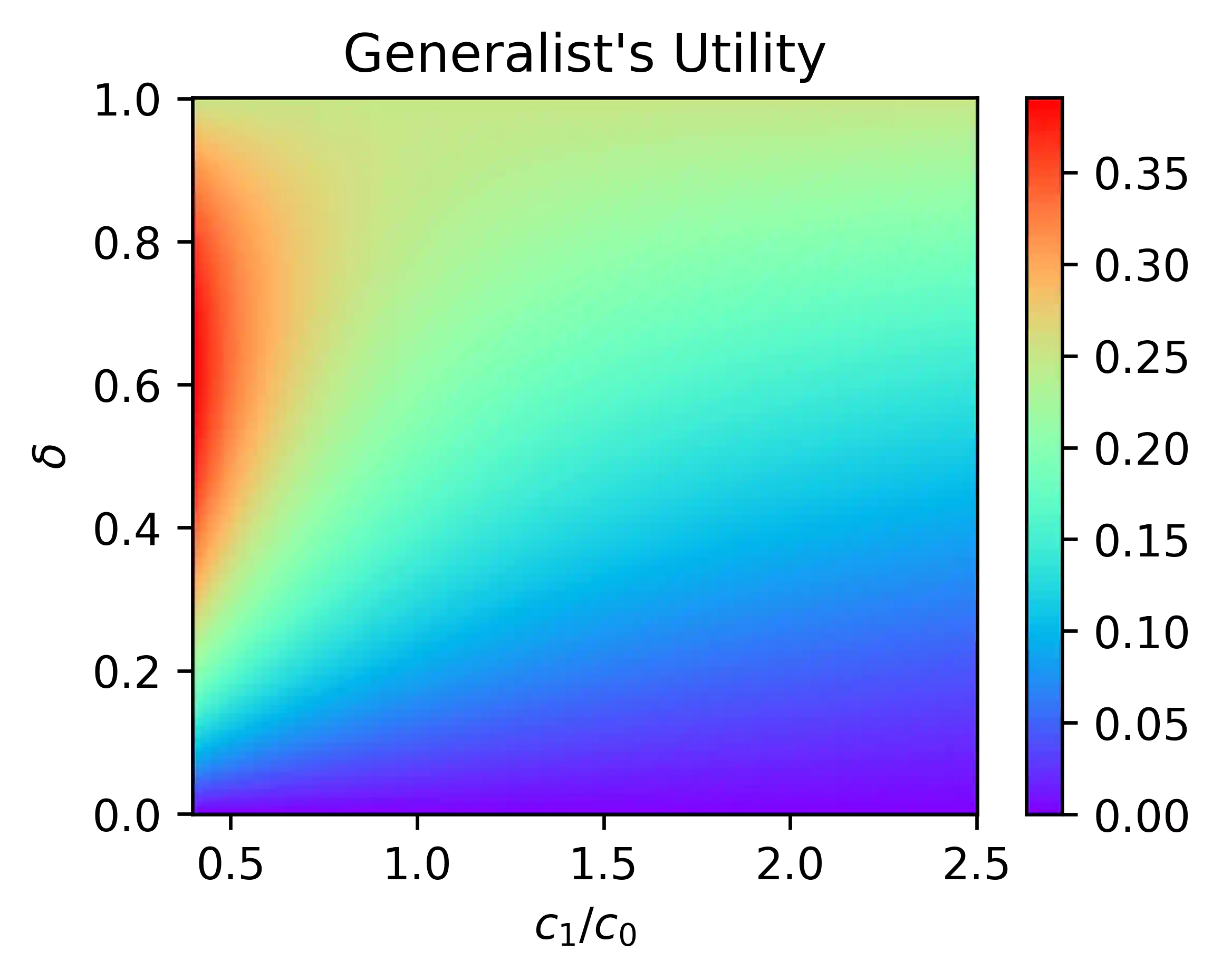
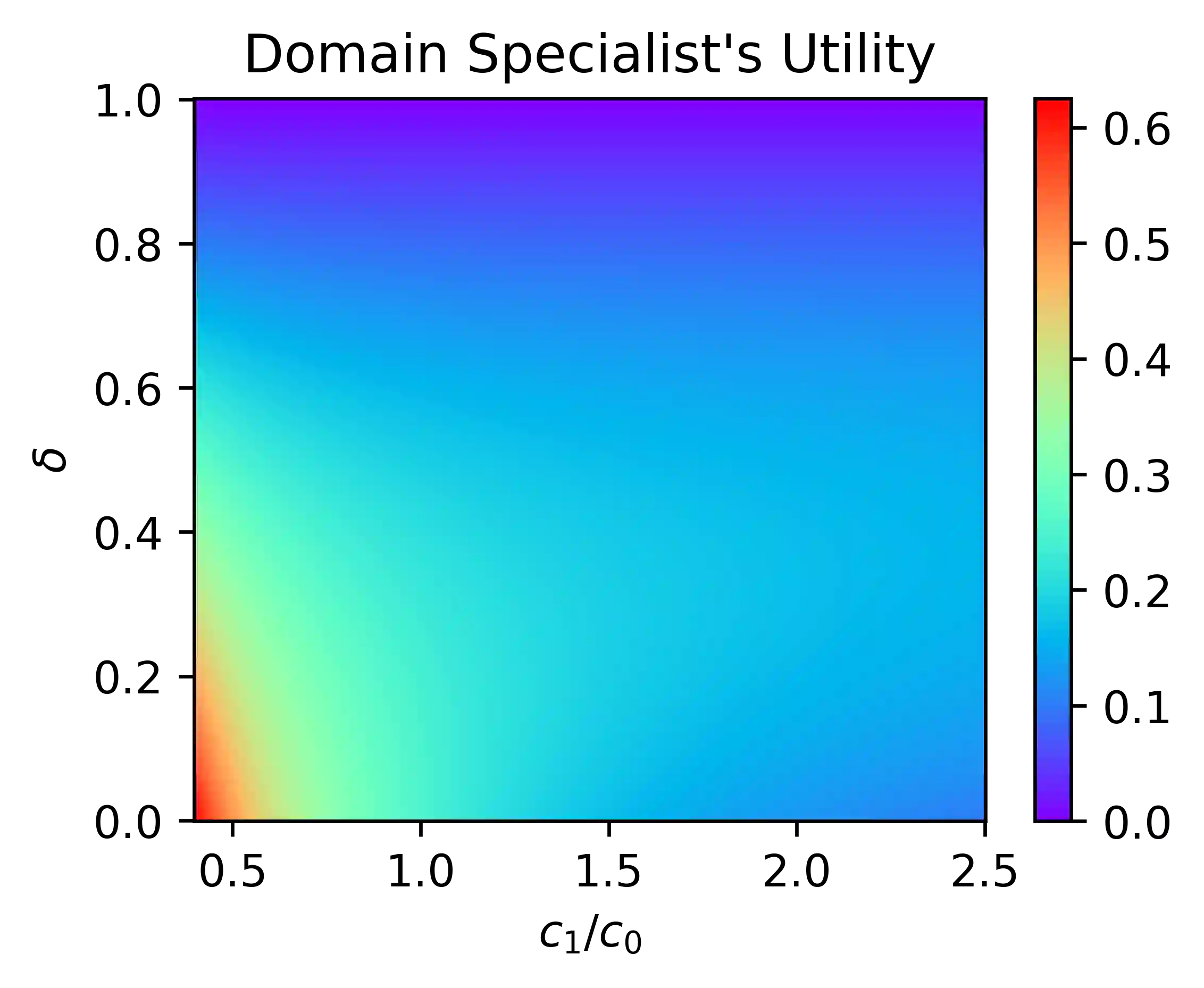
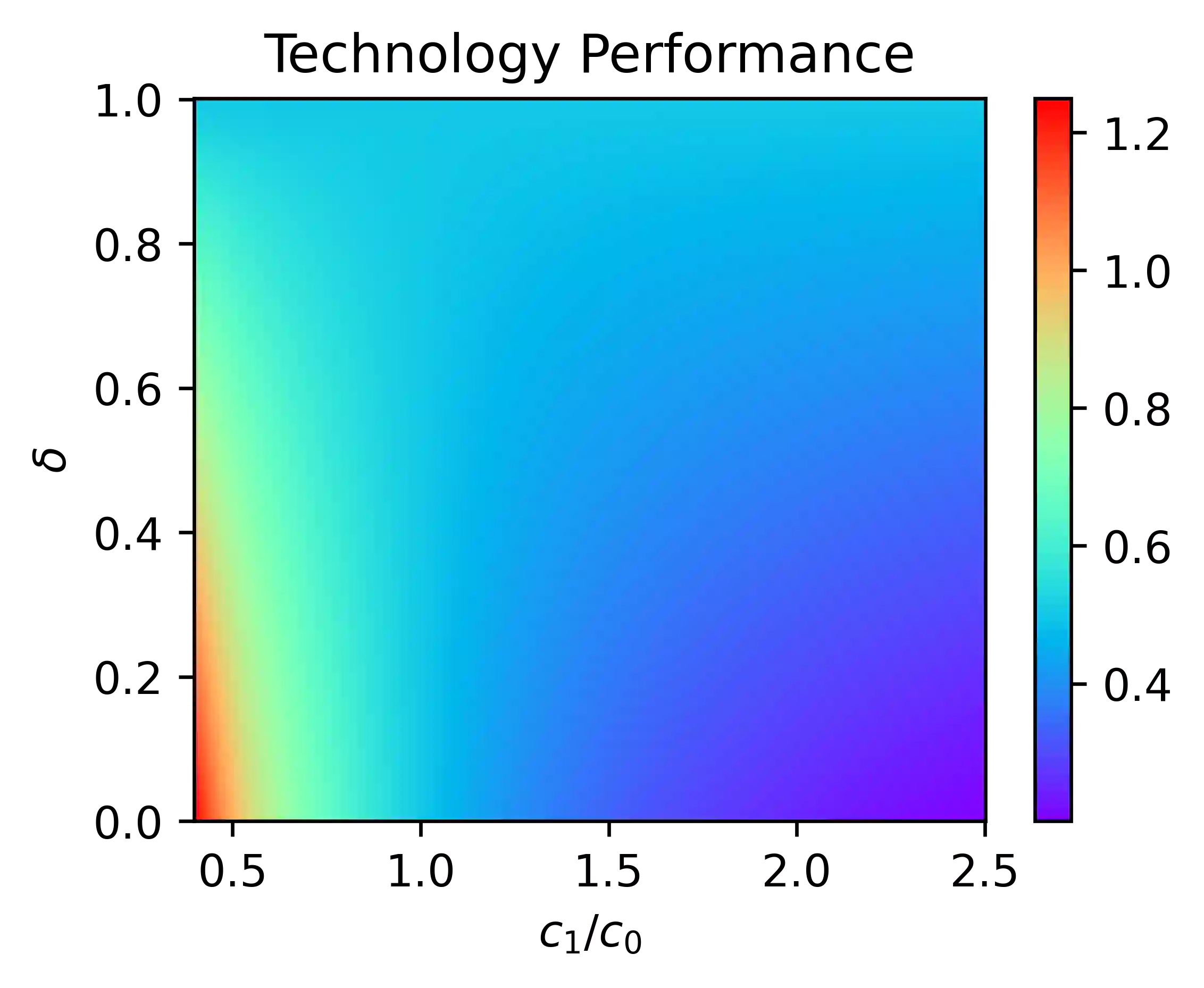
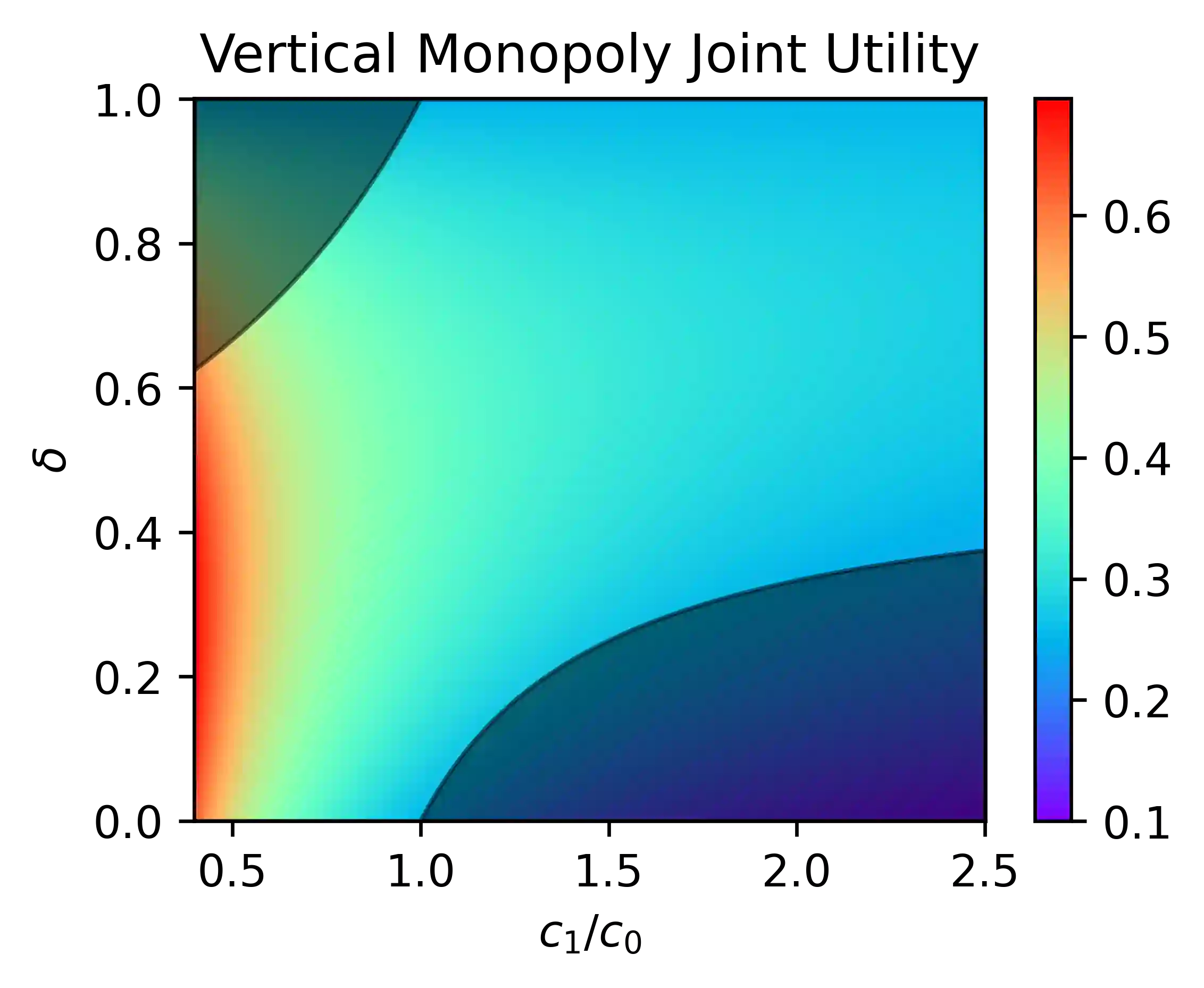
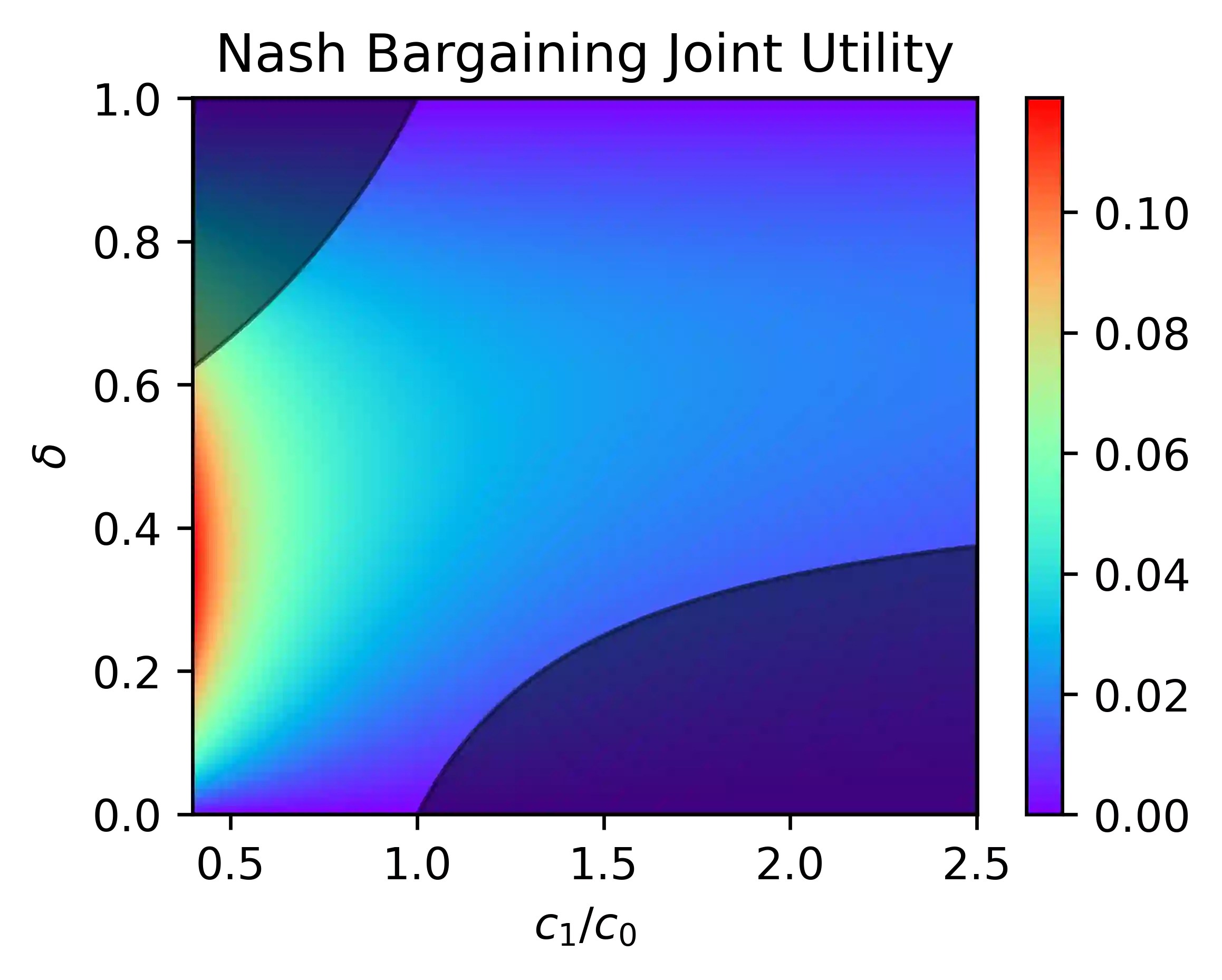
Major advances in Machine Learning (ML) and Artificial Intelligence (AI) increasingly take the form of developing and releasing general-purpose models. These models are designed to be adapted by other businesses and agencies to perform a particular, domain-specific function. This process has become known as adaptation or fine-tuning. This paper offers a model of the fine-tuning process where a Generalist brings the technological product (here an ML model) to a certain level of performance, and one or more Domain-specialist(s) adapts it for use in a particular domain. Both entities are profit-seeking and incur costs when they invest in the technology, and they must reach a bargaining agreement on how to share the revenue for the technology to reach the market. For a relatively general class of cost and revenue functions, we characterize the conditions under which the fine-tuning game yields a profit-sharing solution. We observe that any potential domain-specialization will either contribute, free-ride, or abstain in their uptake of the technology, and we provide conditions yielding these different strategies. We show how methods based on bargaining solutions and sub-game perfect equilibria provide insights into the strategic behavior of firms in these types of interactions, and we find that profit-sharing can still arise even when one firm has significantly higher costs than another. We also provide methods for identifying Pareto-optimal bargaining arrangements for a general set of utility functions.
翻译:机器学习(ML)与人工智能(AI)的重大进展日益体现为通用模型的开发与发布。这些模型旨在由其他企业或机构进行适配,以执行特定领域的职能,该过程被称为适配或微调。本文提出一个微调过程的模型:通用方将技术产品(此处指ML模型)提升至一定性能水平,随后一个或多个领域专家方将其适配至特定领域应用场景。双方均为逐利实体,在技术投入中承担成本,并需就技术进入市场后的收益分配达成谈判协议。在相对广义的成本与收益函数类中,我们刻画了该微调博弈实现利润共享方案的条件。观察到任何潜在领域专家在技术采纳过程中可能采取贡献、搭便车或规避行为,并给出产生这些不同策略的条件。研究表明,基于谈判解与子博弈完美均衡的方法能够揭示此类互动中企业的战略行为,且即便一方成本显著高于另一方时,利润共享仍可能实现。此外,我们还针对一般化效用函数族,提出了识别帕累托最优谈判方案的方法。




相关内容





 微信扫码咨询专知VIP会员