

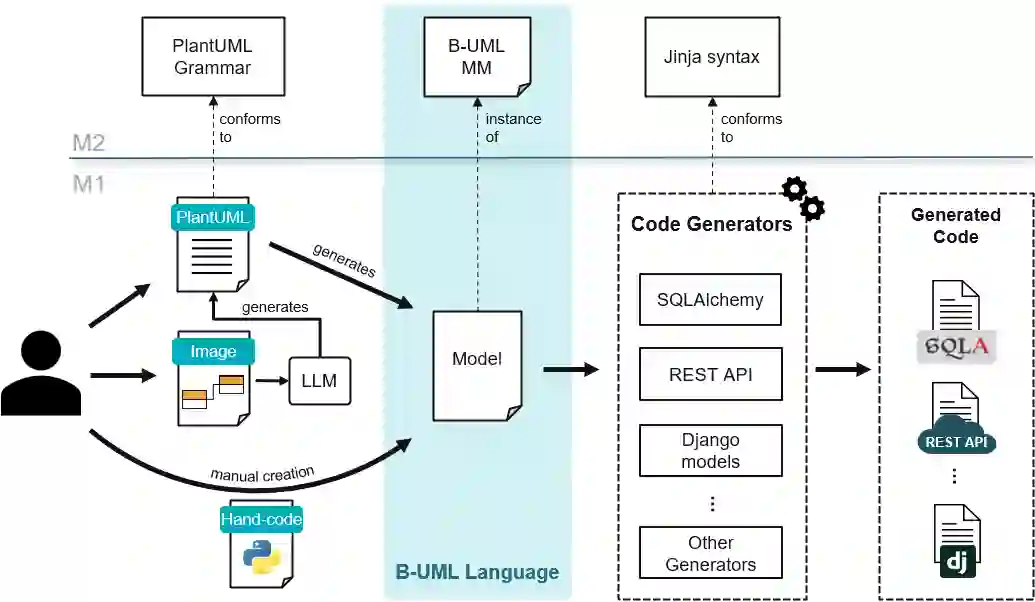
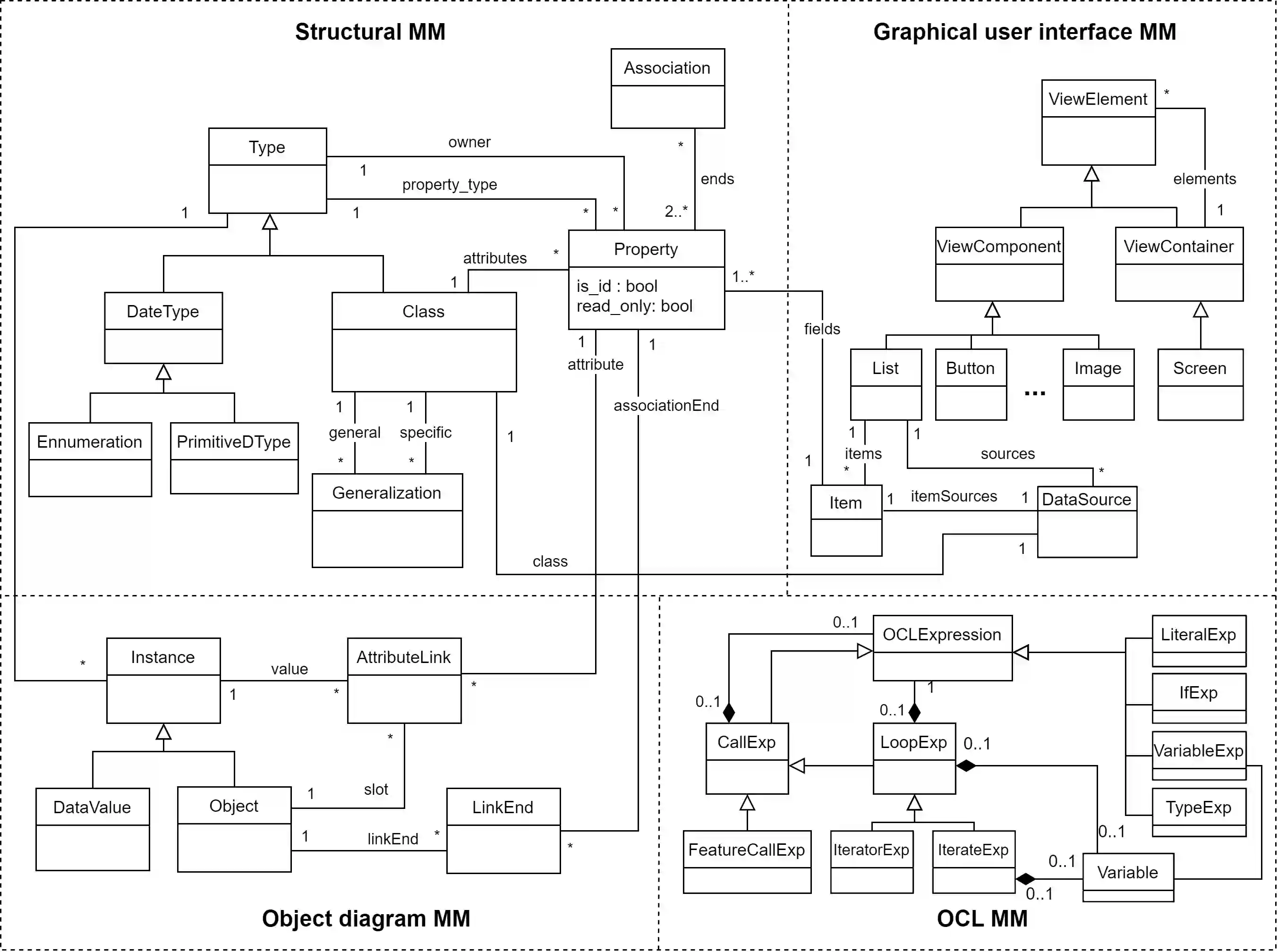
Low-code platforms (latest reincarnation of the long tradition of model-driven engineering approaches) have the potential of saving us countless hours of repetitive boilerplate coding tasks. However, as software systems grow in complexity, low-code platforms need to adapt as well. Notably, nowadays this implies adapting to the modeling and generation of smart software. At the same time, if we want to broaden the userbase of this type of tools, we should also be able to provide more open source alternatives that help potential users avoid vendor lock-ins and give them the freedom to explore low-code development approaches (even adapting the tool to better fit their needs). To fulfil these needs, we are building BESSER, an open source low-code platform for developing (smart) software. BESSER offers various forms (i.e., notations) for system and domain specification (e.g. UML for technical users and chatbots for business users) together with a number of generators. Both types of components can be extended and are open to contributions from the community.
翻译:低代码平台(作为模型驱动工程方法长期传统的最新体现)具有节省我们无数重复性样板编码任务的潜力。然而,随着软件系统复杂度的增长,低代码平台也需要随之适应。值得注意的是,如今这尤其意味着要适应智能软件的建模与生成。同时,如果我们希望扩大此类工具的用户基础,也应当能够提供更多开源替代方案,以帮助潜在用户避免供应商锁定,并赋予他们自由探索低代码开发方法的能力(甚至可以根据自身需求调整工具)。为满足这些需求,我们正在构建BESSER——一个用于开发(智能)软件的开源低代码平台。BESSER为系统和领域规约提供了多种形式(即表示法)(例如面向技术用户的UML和面向业务用户的聊天机器人),并集成了多种代码生成器。这两类组件均可扩展,并欢迎社区贡献。




相关内容





 微信扫码咨询专知VIP会员