

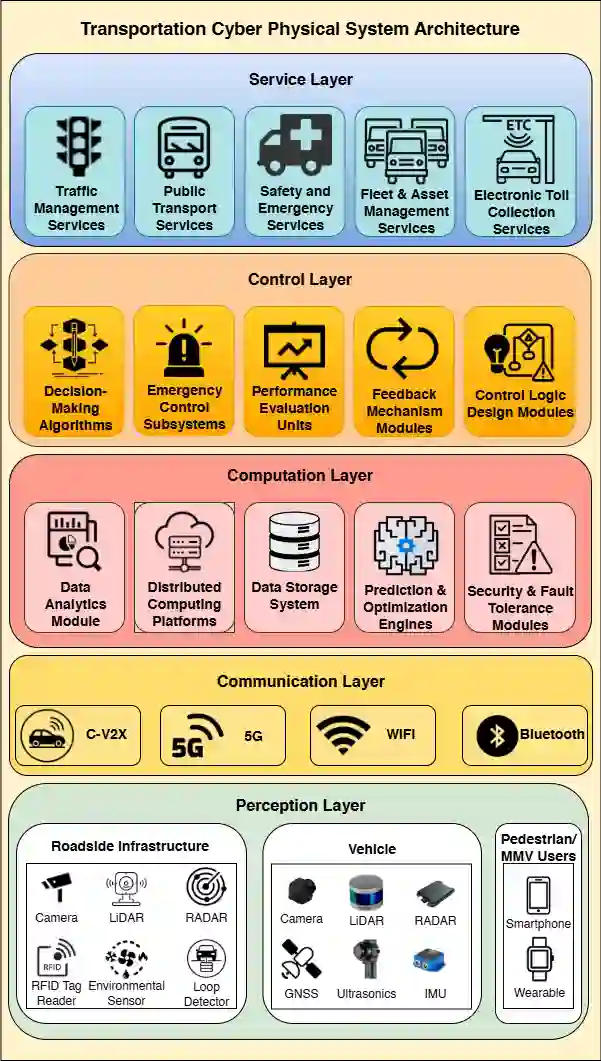
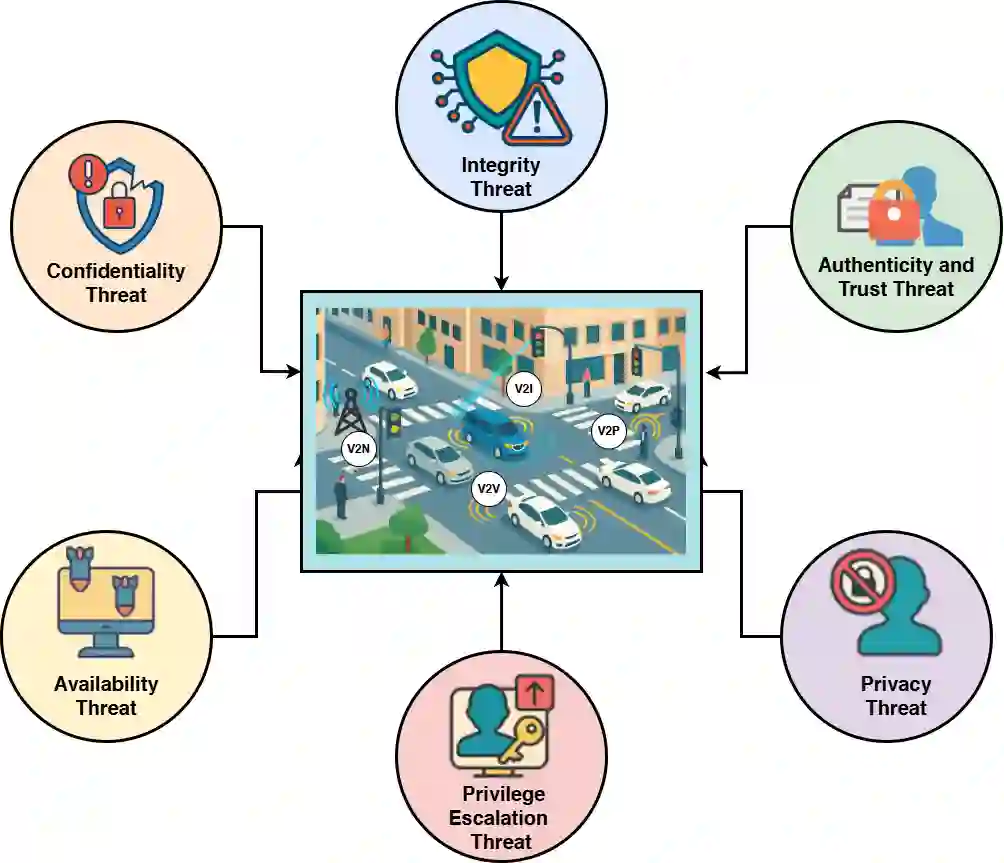
Transportation Cyber-Physical Systems (TCPS) integrate physical elements, such as transportation infrastructure and vehicles, with cyber elements via advanced communication technologies, allowing them to interact seamlessly. This integration enhances the efficiency, safety, and sustainability of transportation systems. TCPS rely heavily on cryptographic security to protect sensitive information transmitted between vehicles, transportation infrastructure, and other entities within the transportation ecosystem, ensuring data integrity, confidentiality, and authenticity. Traditional cryptographic methods have been employed to secure TCPS communications, but the advent of quantum computing presents a significant threat to these existing security measures. Therefore, integrating Post-Quantum Cryptography (PQC) into TCPS is essential to maintain secure and resilient communications. While PQC offers a promising approach to developing cryptographic algorithms resistant to quantum attacks, artificial intelligence (AI) can enhance PQC by optimizing algorithm selection, resource allocation, and adapting to evolving threats in real-time. AI-driven PQC approaches can improve the efficiency and effectiveness of PQC implementations, ensuring robust security without compromising system performance. This chapter introduces TCPS communication protocols, discusses the vulnerabilities of corresponding communications to cyber-attacks, and explores the limitations of existing cryptographic methods in the quantum era. By examining how AI can strengthen PQC solutions, the chapter presents cyber-resilient communication strategies for TCPS.
翻译:交通信息物理系统(TCPS)通过先进通信技术将交通基础设施、车辆等物理要素与信息要素深度融合,实现无缝交互。这种集成显著提升了交通系统的运行效率、安全性与可持续性。TCPS高度依赖密码学安全保障车辆、交通基础设施及交通生态系统内其他实体间传输的敏感信息,确保数据的完整性、机密性与真实性。传统密码学方法虽已应用于TCPS通信保护,但量子计算的出现对现有安全措施构成重大威胁。因此,将后量子密码学(PQC)整合至TCPS对维持安全弹性的通信至关重要。PQC为开发抗量子攻击的密码算法提供了可行路径,而人工智能(AI)可通过优化算法选择、资源分配及实时适应动态演变的威胁来增强PQC。AI驱动的PQC方法能提升密码实施的效率与效能,在保障系统性能的同时实现强韧的安全防护。本章系统阐述TCPS通信协议,剖析对应通信机制在网络攻击下的脆弱性,并探讨量子时代现有密码学方法的局限性。通过研究AI如何强化PQC解决方案,本章最终提出面向TCPS的网络弹性通信策略。




相关内容




 微信扫码咨询专知VIP会员