

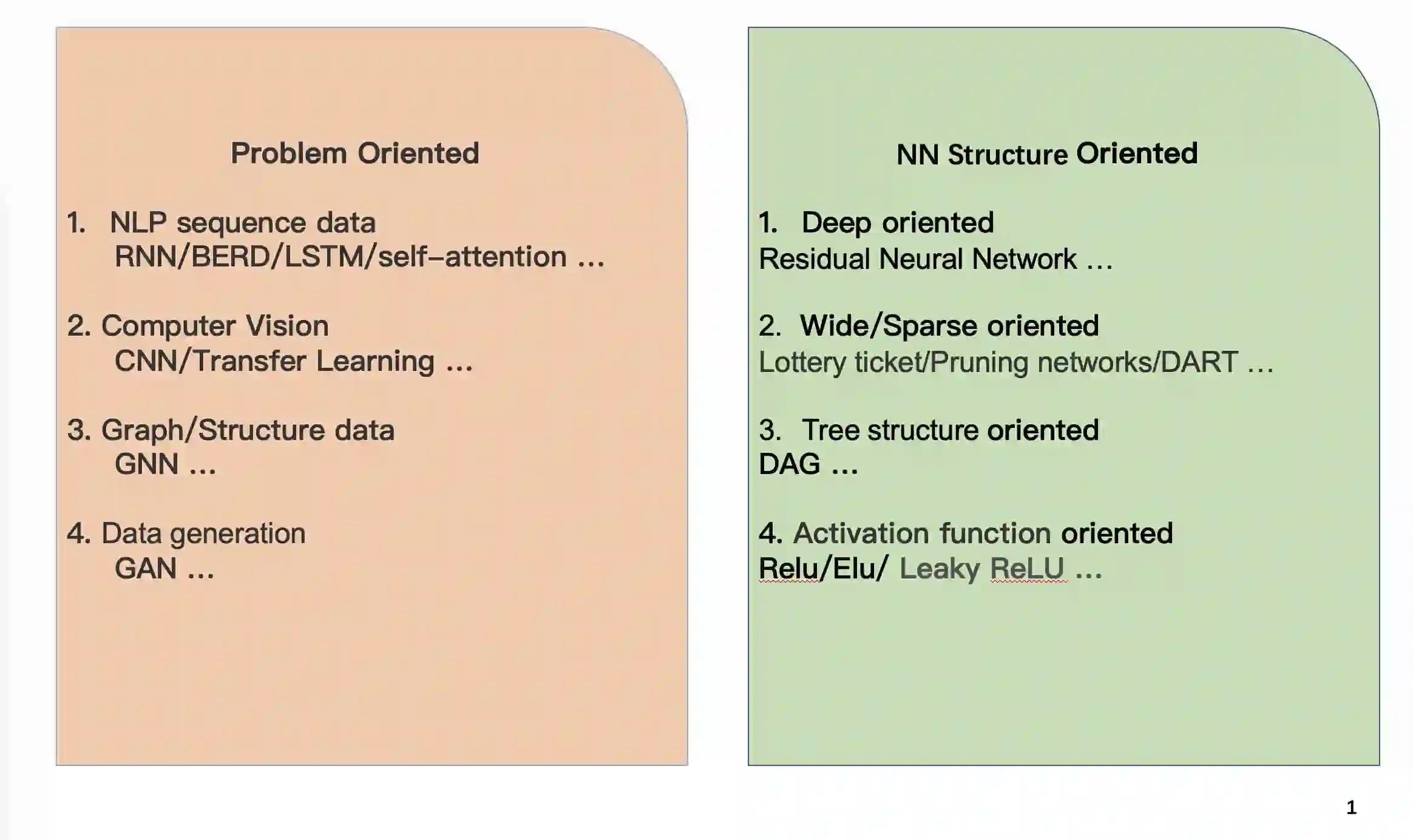
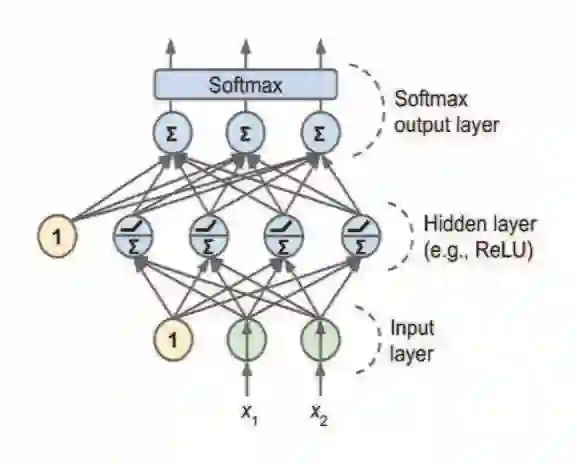
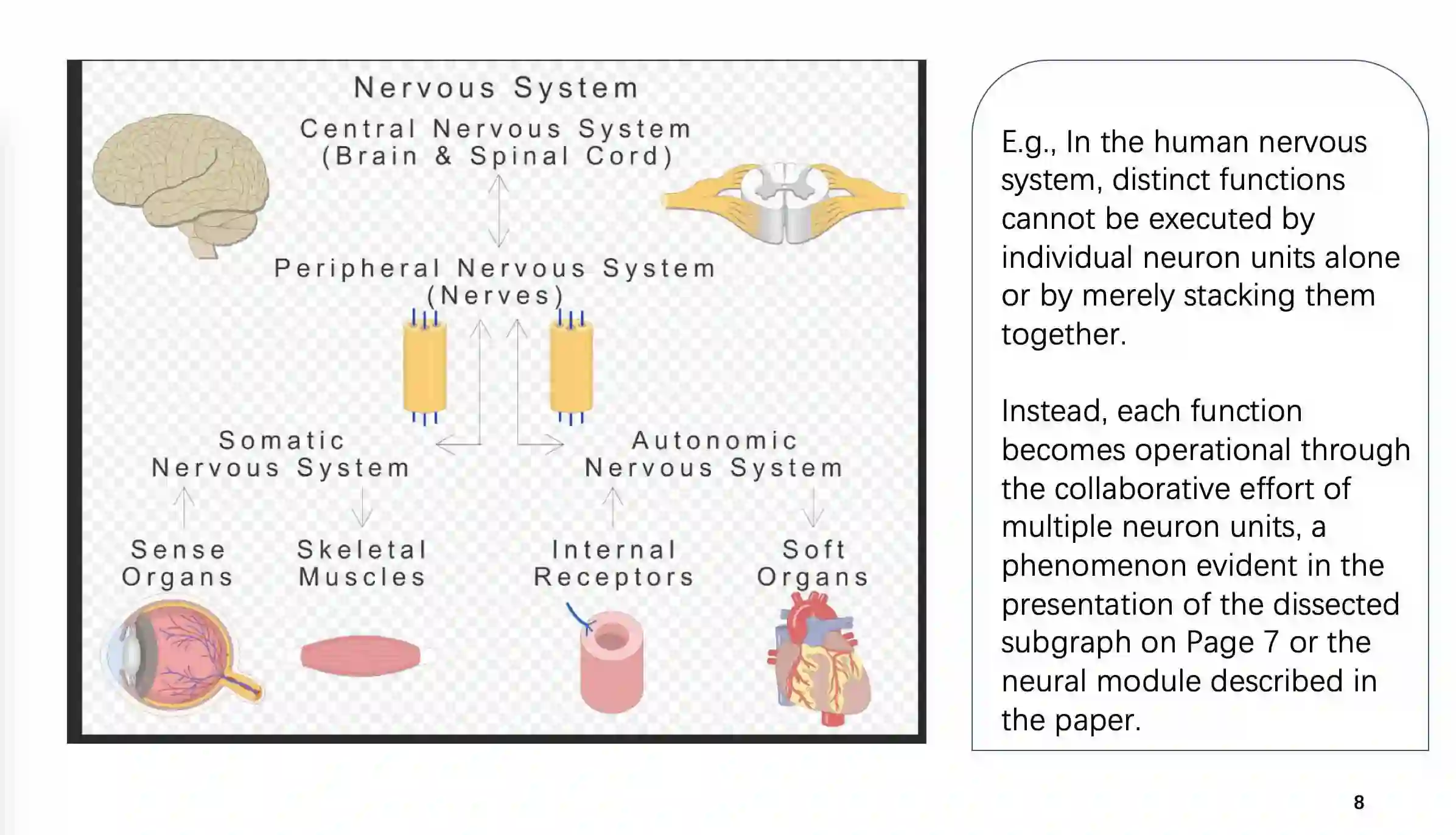
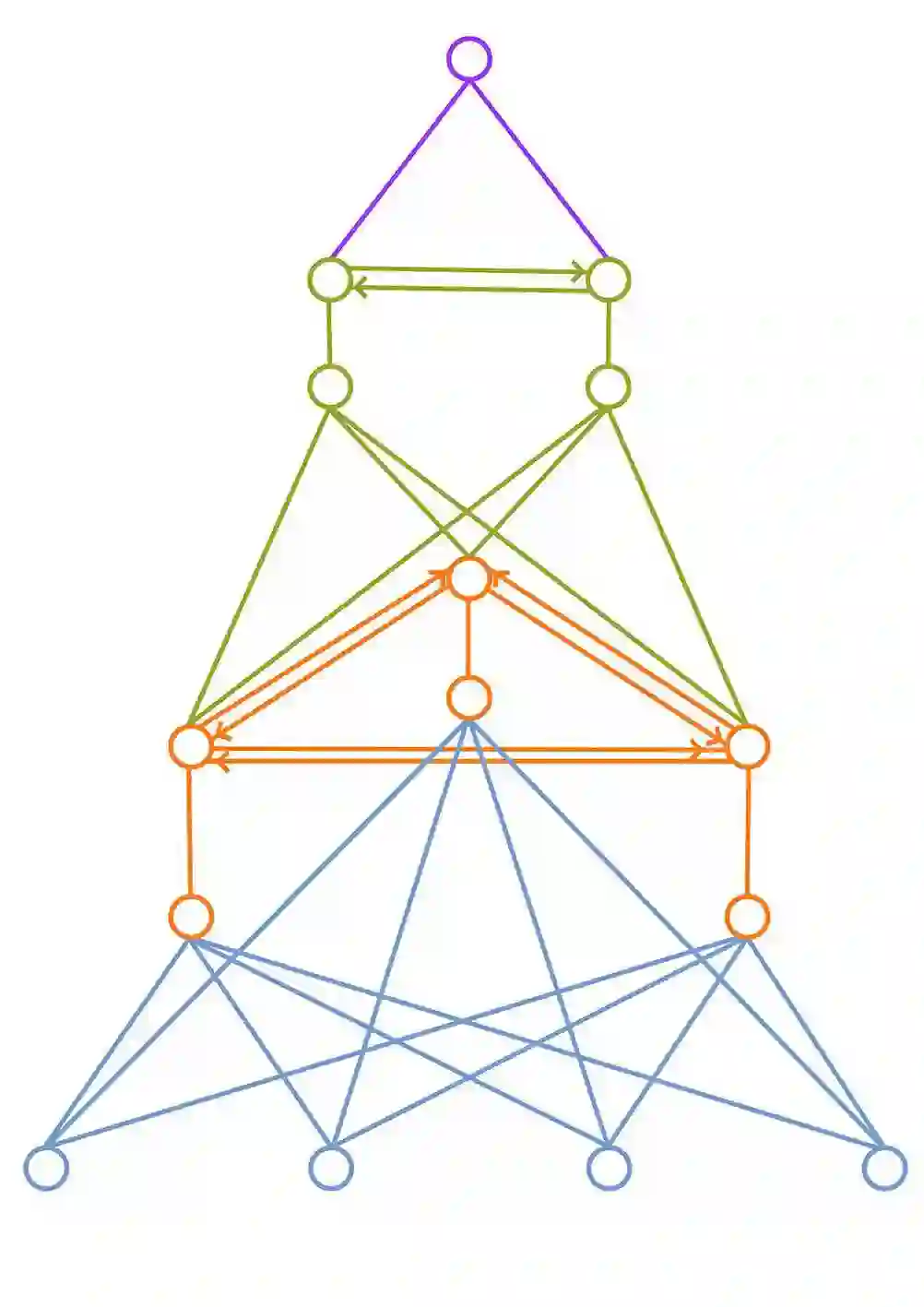
Most existing classical artificial neural networks (ANN) are designed as a tree structure to imitate neural networks. In this paper, we argue that the connectivity of a tree is not sufficient to characterize a neural network. The nodes of the same level of a tree cannot be connected with each other, i.e., these neural unit cannot share information with each other, which is a major drawback of ANN. Although ANN has been significantly improved in recent years to more complex structures, such as the directed acyclic graph (DAG), these methods also have unidirectional and acyclic bias for ANN. In this paper, we propose a method to build a bidirectional complete graph for the nodes in the same level of an ANN, which yokes the nodes of the same level to formulate a neural module. We call our model as YNN in short. YNN promotes the information transfer significantly which obviously helps in improving the performance of the method. Our YNN can imitate neural networks much better compared with the traditional ANN. In this paper, we analyze the existing structural bias of ANN and propose a model YNN to efficiently eliminate such structural bias. In our model, nodes also carry out aggregation and transformation of features, and edges determine the flow of information. We further impose auxiliary sparsity constraint to the distribution of connectedness, which promotes the learned structure to focus on critical connections. Finally, based on the optimized structure, we also design small neural module structure based on the minimum cut technique to reduce the computational burden of the YNN model. This learning process is compatible with the existing networks and different tasks. The obtained quantitative experimental results reflect that the learned connectivity is superior to the traditional NN structure.
翻译:大多数现有经典人工神经网络(ANN)被设计为树状结构以模仿生物神经网络。本文论证了树的连通性不足以表征神经网络:树中同一层级的节点无法相互连接,即这些神经单元无法共享信息,这是ANN的主要缺陷。尽管近年来ANN已通过有向无环图(DAG)等更复杂结构得到显著改进,但这些方法仍存在单向性和无环性的偏见。本文提出一种方法,在ANN相同层级的节点间构建双向完全图,通过轭合同层节点形成神经模块,并将模型简称为YNN。YNN显著增强了信息传递能力,从而有效提升方法性能。与传统ANN相比,YNN能更准确地模仿生物神经网络。本文分析了ANN现有结构偏见的成因,并提出YNN模型以高效消除此类偏见。在该模型中,节点负责特征聚合与变换,边决定信息流动方向。我们进一步对连接分布施加辅助稀疏约束,促使学习结构聚焦关键连接。最后,基于优化后的结构,我们利用最小割技术设计出小型神经模块,以降低YNN模型的计算负担。该学习过程与现有网络及不同任务兼容。定量实验结果表明,学习得到的连接结构优于传统神经网络结构。




相关内容





 微信扫码咨询专知VIP会员