

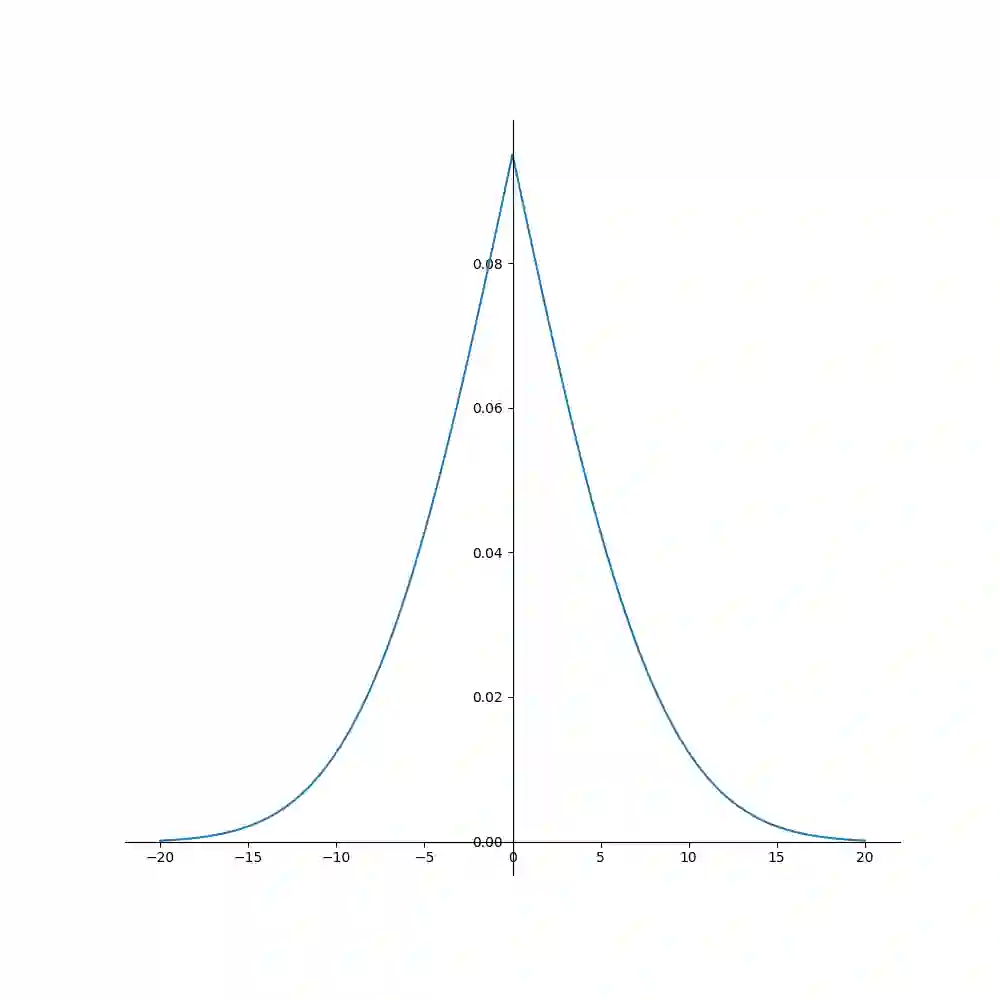
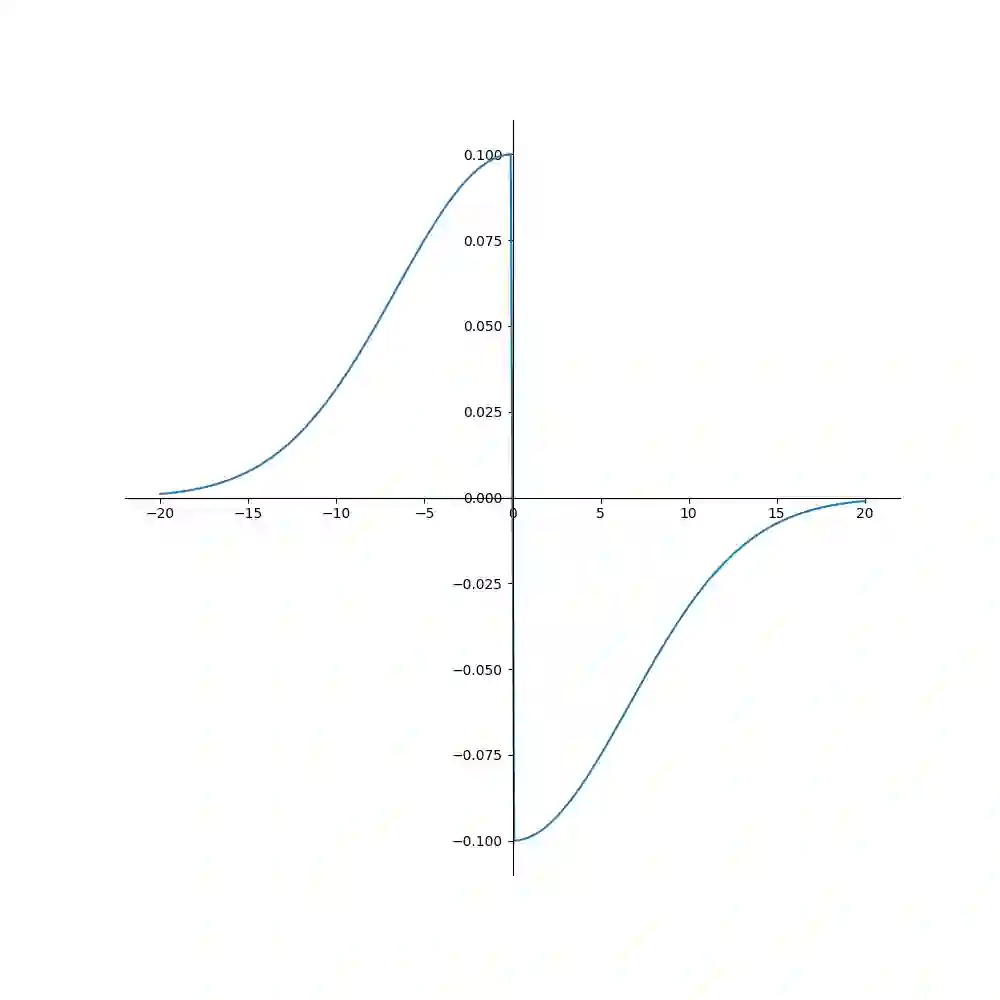
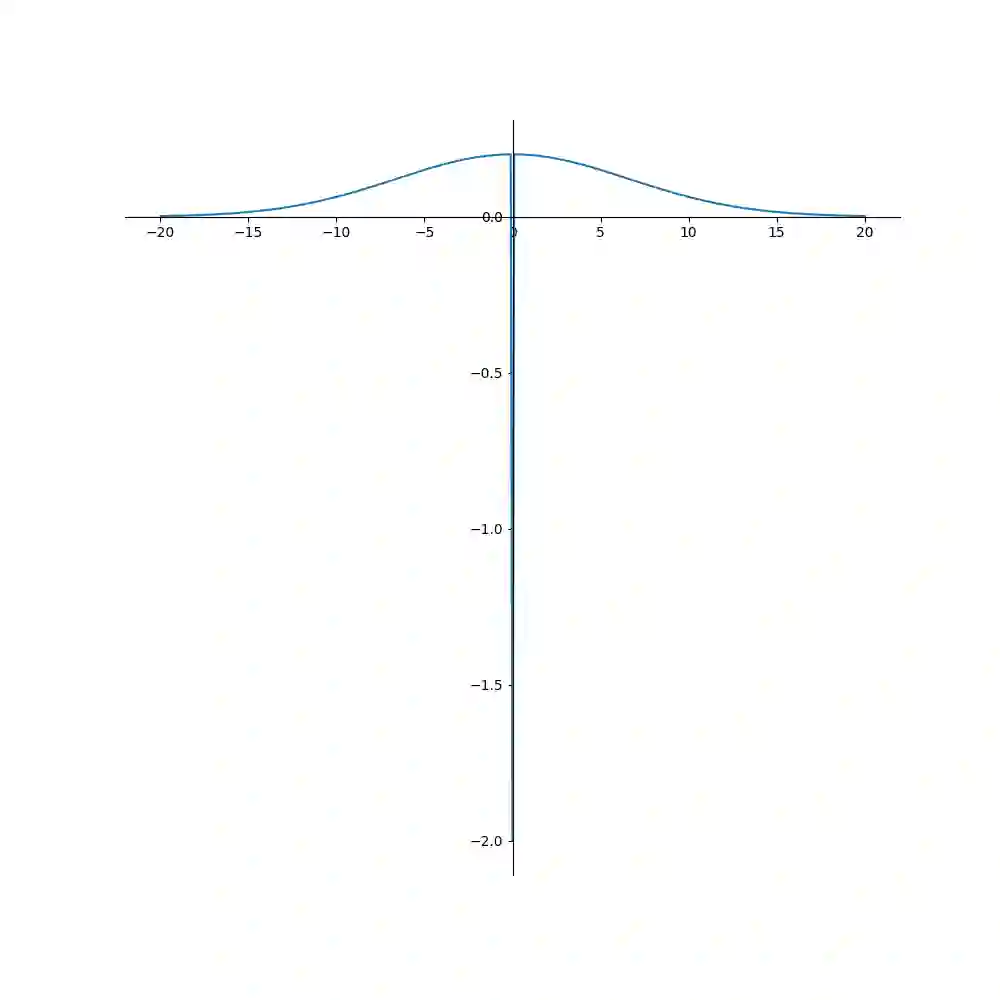
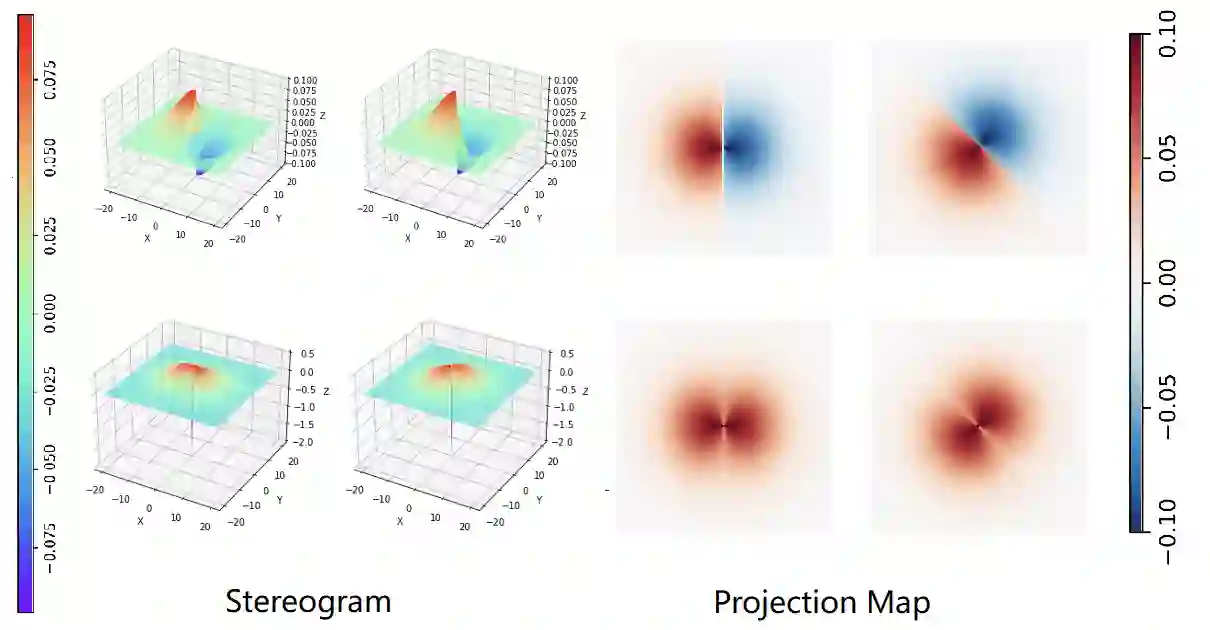
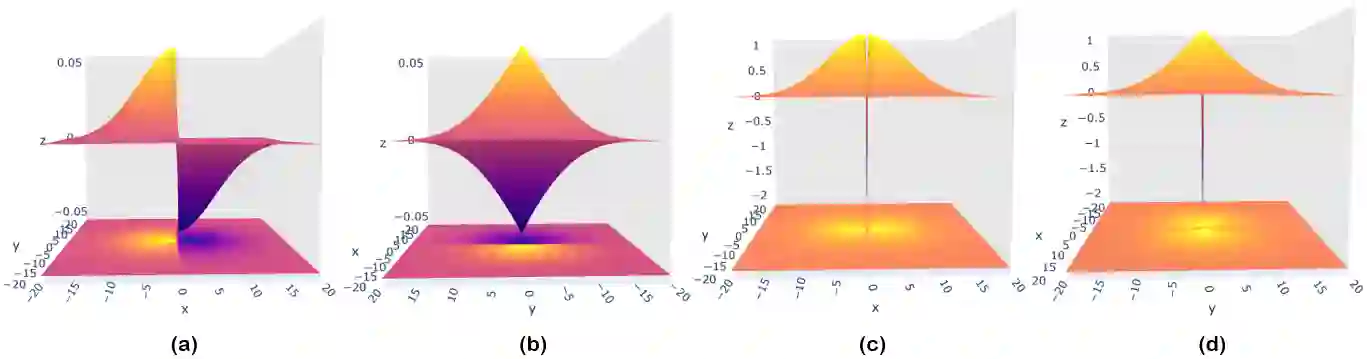
Though a core element of the digital age, numerical difference algorithms struggle with noise susceptibility. This stems from a key disconnect between the infinitesimal quantities in continuous differentiation and the finite intervals in its discrete counterpart. This disconnect violates the fundamental definition of differentiation (Leibniz and Cauchy). To bridge this gap, we build a novel general difference (Tao General Difference, TGD). Departing from derivative-by-integration, TGD generalizes differentiation to finite intervals in continuous domains through three key constraints. This allows us to calculate the general difference of a sequence in discrete domain via the continuous step function constructed from the sequence. Two construction methods, the rotational construction and the orthogonal construction, are proposed to construct the operators of TGD. The construction TGD operators take same convolution mode in calculation for continuous functions, discrete sequences, and arrays across any dimension. Our analysis with example operations showcases TGD's capability in both continuous and discrete domains, paving the way for accurate and noise-resistant differentiation in the digital era.
翻译:尽管数值差分算法是数字时代的核心要素,但其易受噪声干扰。这一困境源于连续微分中的无穷小量与离散微分中的有限区间之间的关键脱节——这种脱节违背了微分的基本定义(莱布尼茨与柯西)。为弥合这一鸿沟,我们构建了一种新颖的一般差分(Tao General Difference, TGD)。不同于积分求导范式,TGD通过三个关键约束将微分推广至连续域中的有限区间。这使得我们能够利用离散序列构造的连续阶梯函数,计算该序列在离散域中的一般差分。提出了旋转构造与正交构造两种方法用于构建TGD算子。所构建的TGD算子对连续函数、离散序列及任意维数组均采用相同的卷积模式进行计算。通过实例运算分析,我们展示了TGD在连续域与离散域中的处理能力,为数字时代实现精确且抗噪的微分运算铺平了道路。




相关内容

Source: Apple - iOS 8


 微信扫码咨询专知VIP会员