

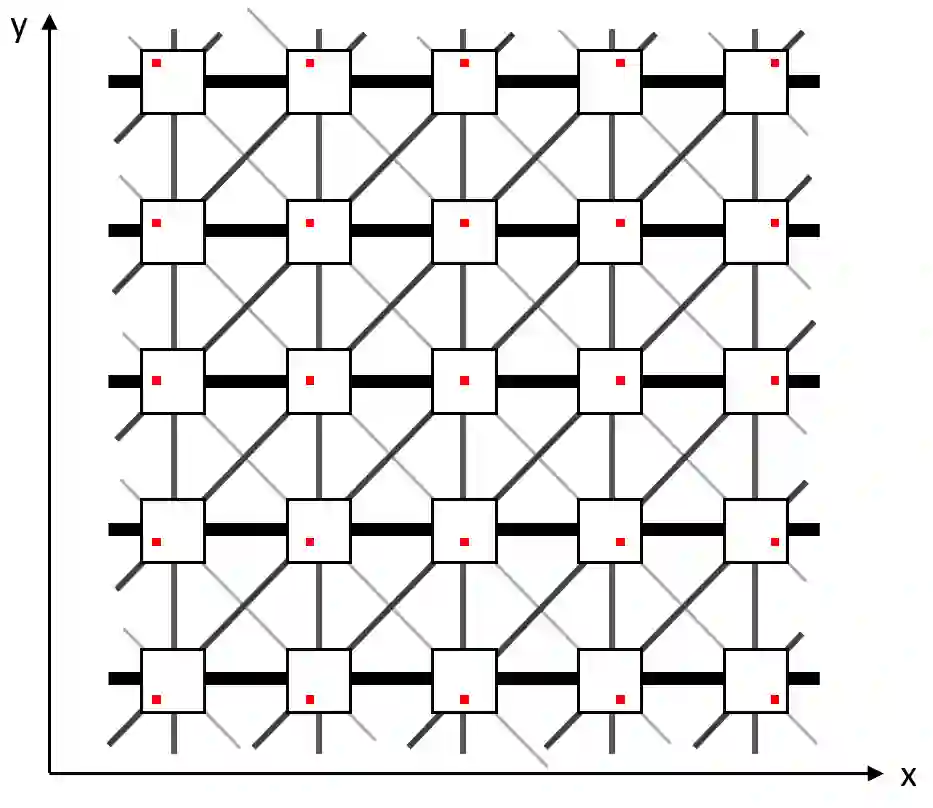
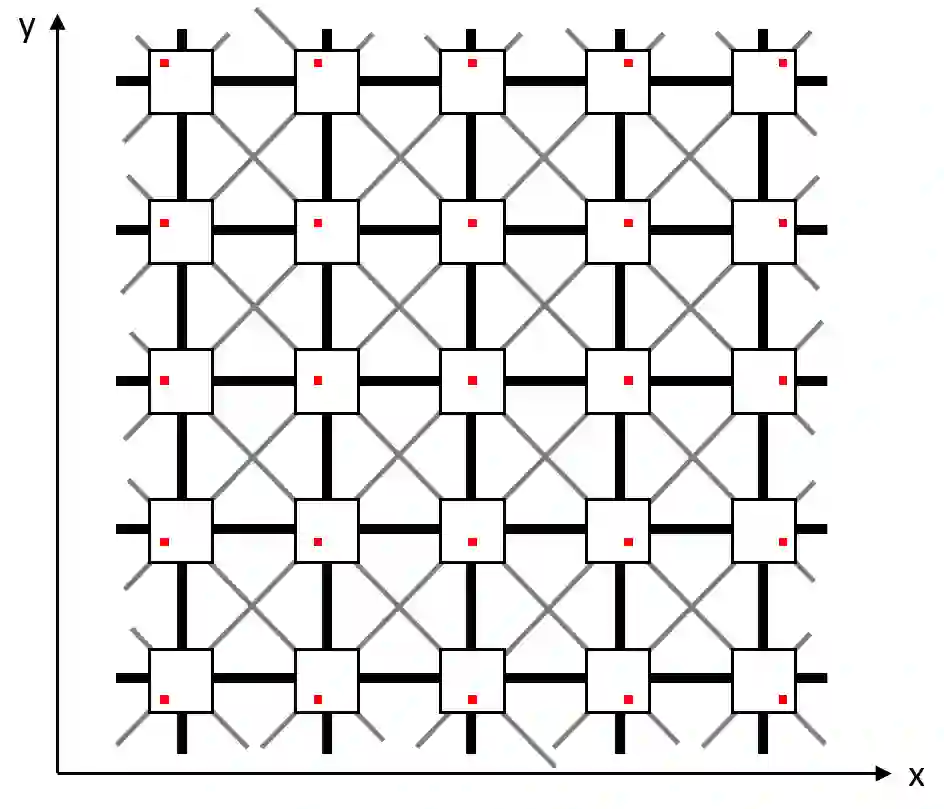
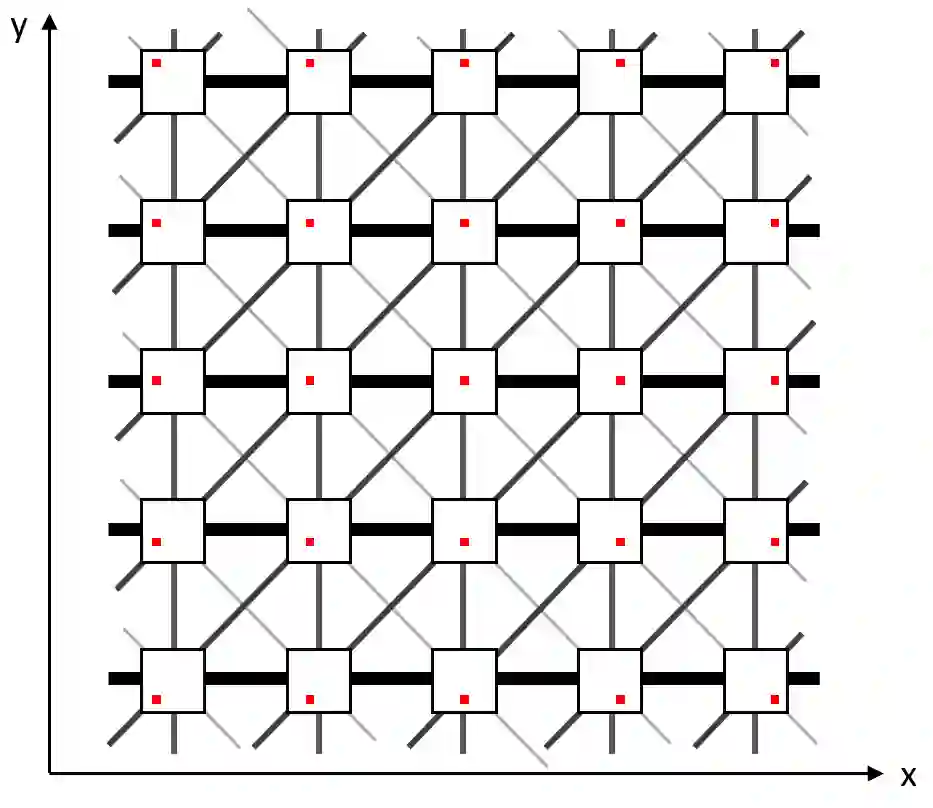
The need for large amounts of training data in modern machine learning is one of the biggest challenges of the field. Compared to the brain, current artificial algorithms are much less capable of learning invariance transformations and employing them to extrapolate knowledge from small sample sets. It has recently been proposed that the brain might encode perceptual invariances as approximate graph symmetries in the network of synaptic connections. Such symmetries may arise naturally through a biologically plausible process of unsupervised Hebbian learning. In the present paper, we illustrate this proposal on numerical examples, showing that invariance transformations can indeed be recovered from the structure of recurrent synaptic connections which form within a layer of feature detector neurons via a simple Hebbian learning rule. In order to numerically recover the invariance transformations from the resulting recurrent network, we develop a general algorithmic framework for finding approximate graph automorphisms. We discuss how this framework can be used to find approximate automorphisms in weighted graphs in general.
翻译:现代机器学习中对大量训练数据的需求是该领域面临的最大挑战之一。与大脑相比,当前的人工算法在学习不变性变换并利用它们从少量样本集中外推知识的能力上远远不足。最近有研究提出,大脑可能将感知不变性编码为突触连接网络中的近似图对称性。这种对称性可能通过一种生物上合理的无监督Hebbian学习过程自然产生。本文通过数值示例阐明了这一设想,表明不变性变换确实可以从通过简单Hebbian学习规则在特征检测神经元层内形成的递归突触连接结构中恢复。为了从生成的递归网络中数值恢复不变性变换,我们开发了一个通用的算法框架用于寻找近似图自同构。我们讨论了该框架在加权图中寻找近似自同构的一般应用方法。




相关内容



 微信扫码咨询专知VIP会员