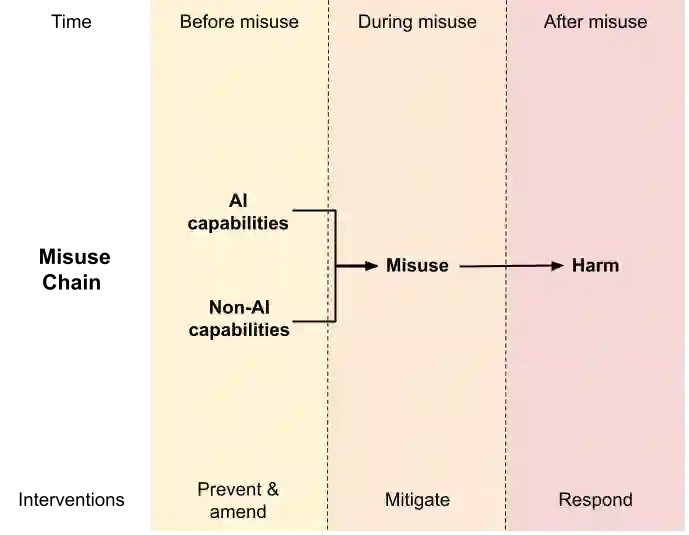
Artificial intelligence (AI) systems will increasingly be used to cause harm as they grow more capable. In fact, AI systems are already starting to be used to automate fraudulent activities, violate human rights, create harmful fake images, and identify dangerous toxins. To prevent some misuses of AI, we argue that targeted interventions on certain capabilities will be warranted. These restrictions may include controlling who can access certain types of AI models, what they can be used for, whether outputs are filtered or can be traced back to their user, and the resources needed to develop them. We also contend that some restrictions on non-AI capabilities needed to cause harm will be required. Though capability restrictions risk reducing use more than misuse (facing an unfavorable Misuse-Use Tradeoff), we argue that interventions on capabilities are warranted when other interventions are insufficient, the potential harm from misuse is high, and there are targeted ways to intervene on capabilities. We provide a taxonomy of interventions that can reduce AI misuse, focusing on the specific steps required for a misuse to cause harm (the Misuse Chain), and a framework to determine if an intervention is warranted. We apply this reasoning to three examples: predicting novel toxins, creating harmful images, and automating spear phishing campaigns.


翻译:人工智能系统在能力不断增强的同时,将越来越多地被用于造成伤害。事实上,AI系统已经开始被用于自动化欺诈活动、侵犯人权、制造有害虚假图像以及识别危险毒素。我们认为,为防止某些AI滥用行为,有必要对特定能力采取针对性干预措施。这些限制可能包括:控制谁可以访问特定类型的AI模型、模型的使用范围、输出内容是否需经过过滤或可追溯至用户,以及开发这些模型所需的资源。我们还主张,对造成伤害所需的非AI能力进行某些限制也是必要的。尽管能力限制存在减少实际用途多于减少滥用行为的风险(面临不利的“滥用-使用权衡”),但我们认为,当其他干预措施不足、滥用造成的潜在危害极高,且存在针对性的能力干预方式时,对能力进行干预是合理的。我们提出了减少AI滥用的干预措施分类体系,重点关注滥用行为造成伤害所需的具体步骤(滥用链),并构建了判断干预措施是否合理的评估框架。我们将这一理论应用于三个具体示例:预测新型毒素、制造有害图像以及自动化鱼叉式网络钓鱼攻击。

0
下载
关闭预览

相关内容

人工智能杂志AI(Artificial Intelligence)是目前公认的发表该领域最新研究成果的主要国际论坛。该期刊欢迎有关AI广泛方面的论文,这些论文构成了整个领域的进步,也欢迎介绍人工智能应用的论文,但重点应该放在新的和新颖的人工智能方法如何提高应用领域的性能,而不是介绍传统人工智能方法的另一个应用。关于应用的论文应该描述一个原则性的解决方案,强调其新颖性,并对正在开发的人工智能技术进行深入的评估。 官网地址:http://dblp.uni-trier.de/db/journals/ai/
【AI】英国国防部《国防人工智能战略》摘要
专知会员服务
113+阅读 · 2022年6月22日
【哈佛大学商学院课程Fall 2019】机器学习可解释性
专知会员服务
106+阅读 · 2019年10月9日
VCIP 2022 Call for Demos
CCF多媒体专委会
1+阅读 · 2022年6月6日
RoBERTa中文预训练模型:RoBERTa for Chinese
PaperWeekly
57+阅读 · 2019年9月16日
LibRec 精选:推荐系统的常用数据集
LibRec智能推荐
17+阅读 · 2019年2月15日
A Technical Overview of AI & ML in 2018 & Trends for 2019
待字闺中
18+阅读 · 2018年12月24日
LibRec 精选:推荐系统的论文与源码
LibRec智能推荐
14+阅读 · 2018年11月29日
LibRec 精选:推荐的可解释性[综述]
LibRec智能推荐
10+阅读 · 2018年5月4日
【推荐】ResNet, AlexNet, VGG, Inception:各种卷积网络架构的理解
机器学习研究会
20+阅读 · 2017年12月17日
国家自然科学基金
1+阅读 · 2013年12月31日
国家自然科学基金
0+阅读 · 2013年12月31日
国家自然科学基金
2+阅读 · 2013年12月31日
国家自然科学基金
0+阅读 · 2012年12月31日
国家自然科学基金
0+阅读 · 2012年12月31日
国家自然科学基金
0+阅读 · 2012年12月31日
VIP会员
最新内容
《同步多无人机系统中的故障与通信》
专知会员服务
2+阅读 · 今天6:23
面向国防作战的最佳自主与蜂群无人机技术
专知会员服务
7+阅读 · 7月28日
《异构人类团队的协作决策过程混合建模研究》
博士论文 | 面向大模型推理的内存高效算法
专知会员服务
5+阅读 · 7月27日
美空军新型反无人机部队初探
专知会员服务
9+阅读 · 7月27日
相关VIP内容
【AI】英国国防部《国防人工智能战略》摘要
专知会员服务
113+阅读 · 2022年6月22日
【哈佛大学商学院课程Fall 2019】机器学习可解释性
专知会员服务
106+阅读 · 2019年10月9日
相关资讯
VCIP 2022 Call for Demos
CCF多媒体专委会
1+阅读 · 2022年6月6日
RoBERTa中文预训练模型:RoBERTa for Chinese
PaperWeekly
57+阅读 · 2019年9月16日
LibRec 精选:推荐系统的常用数据集
LibRec智能推荐
17+阅读 · 2019年2月15日
A Technical Overview of AI & ML in 2018 & Trends for 2019
待字闺中
18+阅读 · 2018年12月24日
LibRec 精选:推荐系统的论文与源码
LibRec智能推荐
14+阅读 · 2018年11月29日
LibRec 精选:推荐的可解释性[综述]
LibRec智能推荐
10+阅读 · 2018年5月4日
【推荐】ResNet, AlexNet, VGG, Inception:各种卷积网络架构的理解
机器学习研究会
20+阅读 · 2017年12月17日
相关基金
国家自然科学基金
1+阅读 · 2013年12月31日
国家自然科学基金
0+阅读 · 2013年12月31日
国家自然科学基金
2+阅读 · 2013年12月31日
国家自然科学基金
0+阅读 · 2012年12月31日
国家自然科学基金
0+阅读 · 2012年12月31日
国家自然科学基金
0+阅读 · 2012年12月31日
Top
微信扫码咨询专知VIP会员