

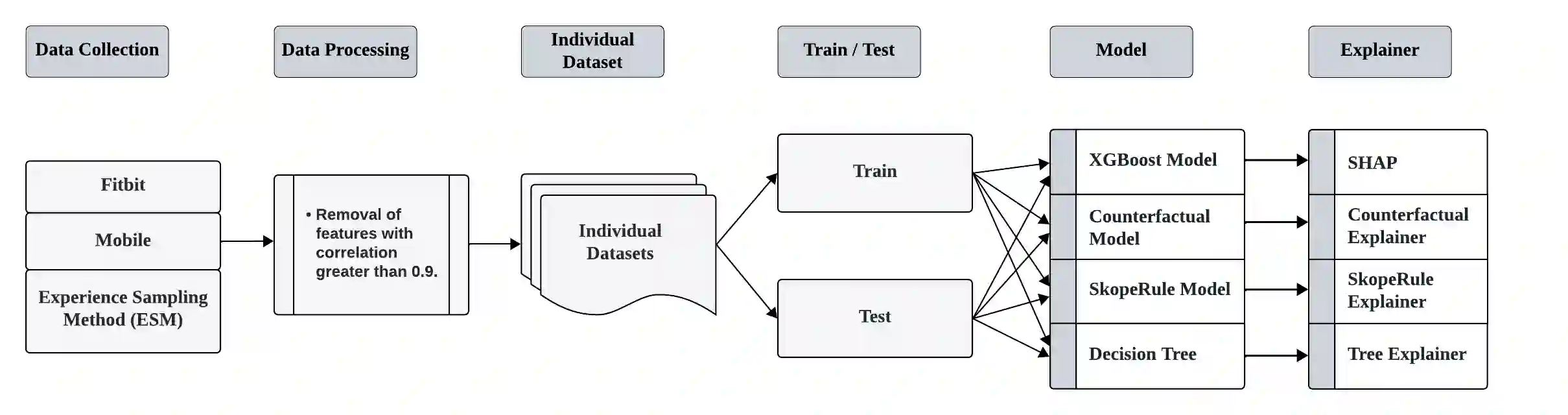
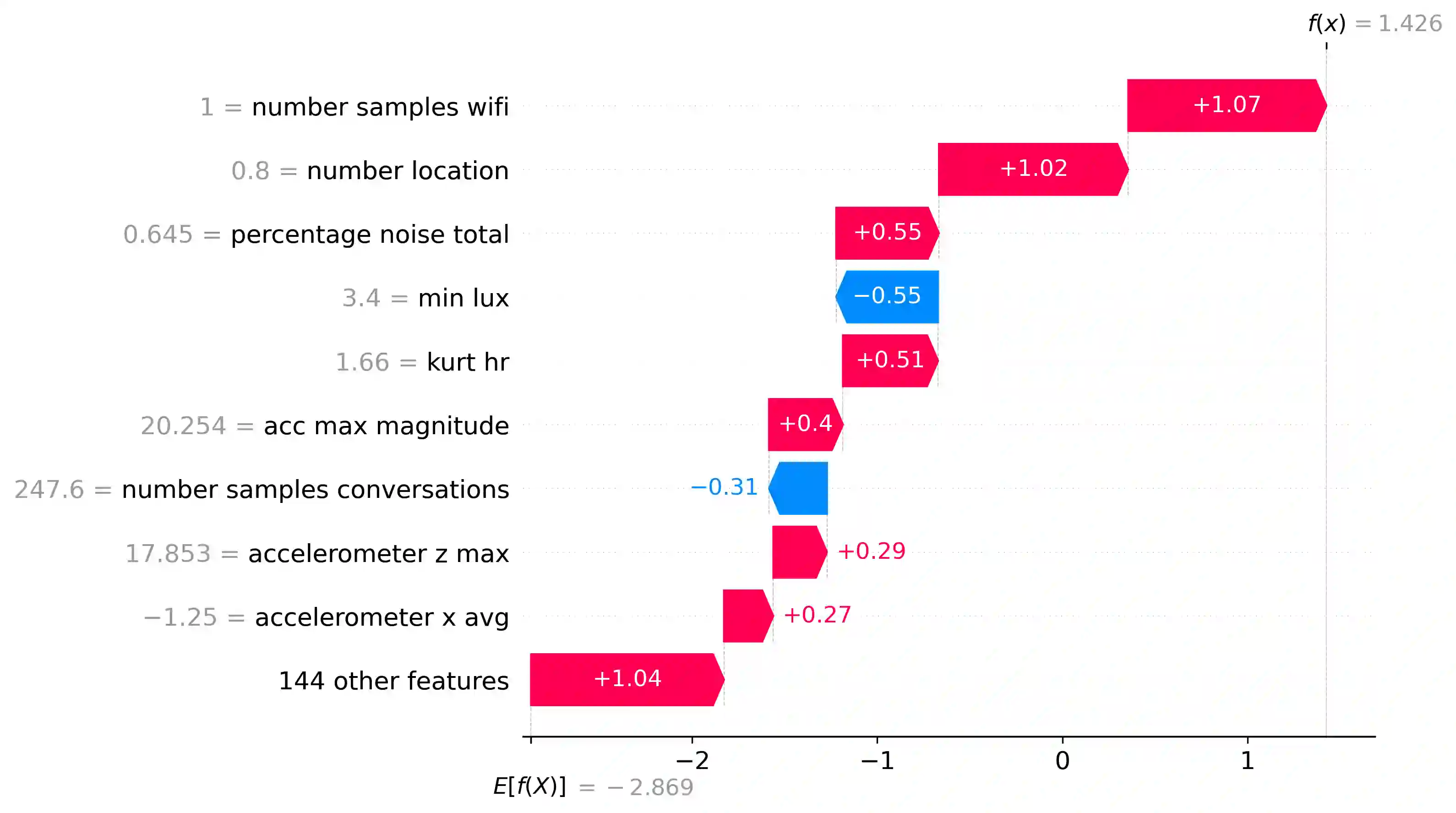
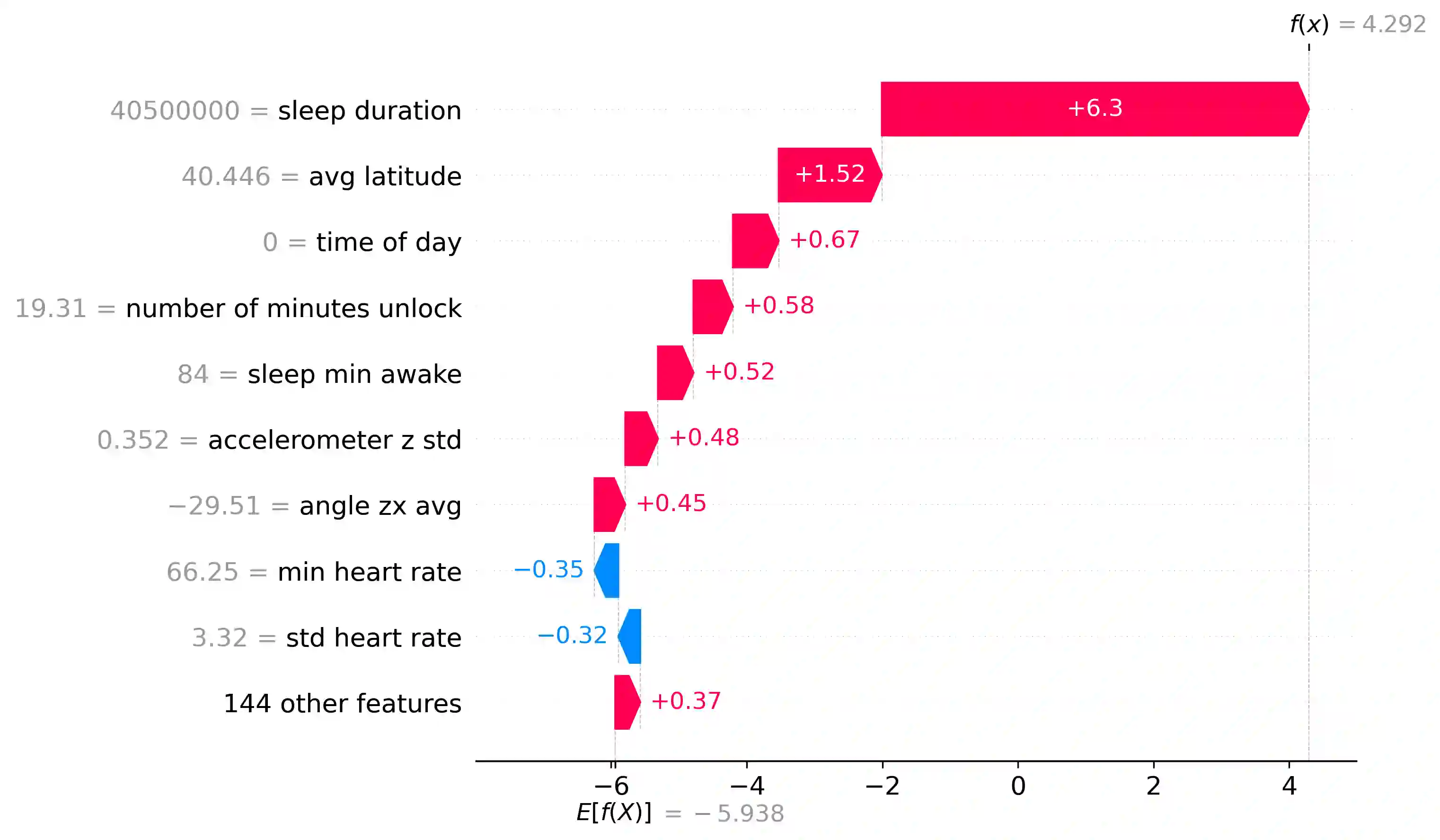
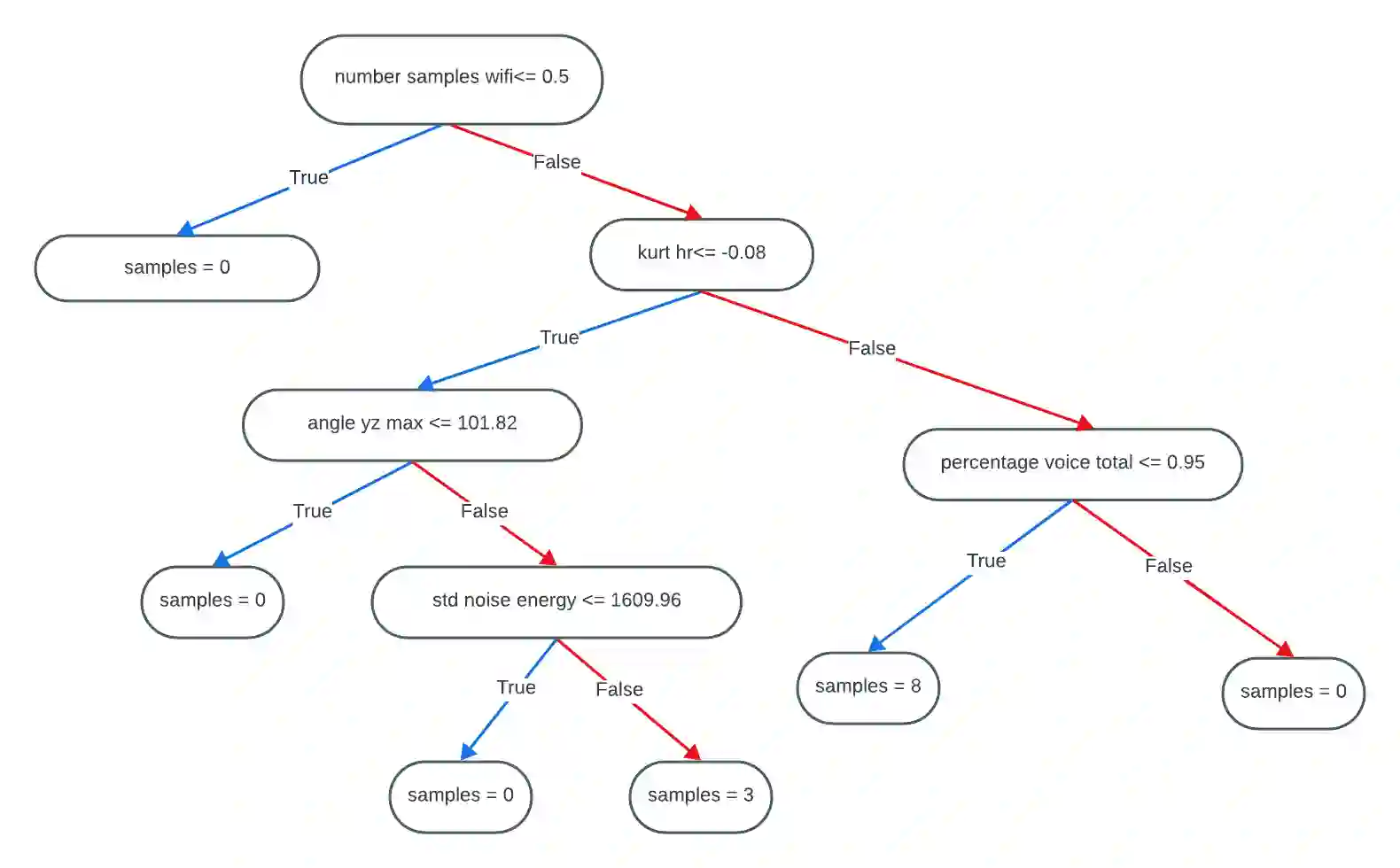
This study explores the possibility of facilitating algorithmic decision-making by combining interpretable artificial intelligence (XAI) techniques with sensor data, with the aim of providing researchers and clinicians with personalized analyses of cannabis intoxication behavior. SHAP analyzes the importance and quantifies the impact of specific factors such as environmental noise or heart rate, enabling clinicians to pinpoint influential behaviors and environmental conditions. SkopeRules simplify the understanding of cannabis use for a specific activity or environmental use. Decision trees provide a clear visualization of how factors interact to influence cannabis consumption. Counterfactual models help identify key changes in behaviors or conditions that may alter cannabis use outcomes, to guide effective individualized intervention strategies. This multidimensional analytical approach not only unveils changes in behavioral and physiological states after cannabis use, such as frequent fluctuations in activity states, nontraditional sleep patterns, and specific use habits at different times and places, but also highlights the significance of individual differences in responses to cannabis use. These insights carry profound implications for clinicians seeking to gain a deeper understanding of the diverse needs of their patients and for tailoring precisely targeted intervention strategies. Furthermore, our findings highlight the pivotal role that XAI technologies could play in enhancing the transparency and interpretability of Clinical Decision Support Systems (CDSS), with a particular focus on substance misuse treatment. This research significantly contributes to ongoing initiatives aimed at advancing clinical practices that aim to prevent and reduce cannabis-related harms to health, positioning XAI as a supportive tool for clinicians and researchers alike.
翻译:本研究探索了将可解释人工智能(XAI)技术与传感器数据相结合的可行性,以推动算法决策,旨在为研究人员和临床医生提供针对大麻中毒行为的个性化分析。SHAP方法用于分析环境噪声或心率等特定因素的重要性并量化其影响,使临床医生能够精准识别关键的行为与环境条件。SkopeRules简化了对特定活动或环境背景下大麻使用行为的理解。决策树则清晰展示了各因素如何交互作用以影响大麻消费。反事实模型有助于识别可能改变大麻使用结果的行为或条件关键变化,从而指导有效的个性化干预策略。这种多维分析方法不仅能揭示大麻使用后行为与生理状态的变化,例如活动状态的频繁波动、非传统睡眠模式及不同时间与地点的特定使用习惯,还凸显了个体差异在大麻使用反应中的重要意义。这些发现对临床医生深入理解患者多样化需求、制定精准靶向干预策略具有深远意义。此外,我们的研究结果强调了XAI技术在提升临床决策支持系统(CDSS)透明性与可解释性方面的关键作用,特别是在物质滥用治疗领域。本研究为推动预防和减少大麻相关健康损害的临床实践发展做出了重要贡献,并将XAI定位为临床医生与研究人员的辅助工具。





相关内容




 微信扫码咨询专知VIP会员