

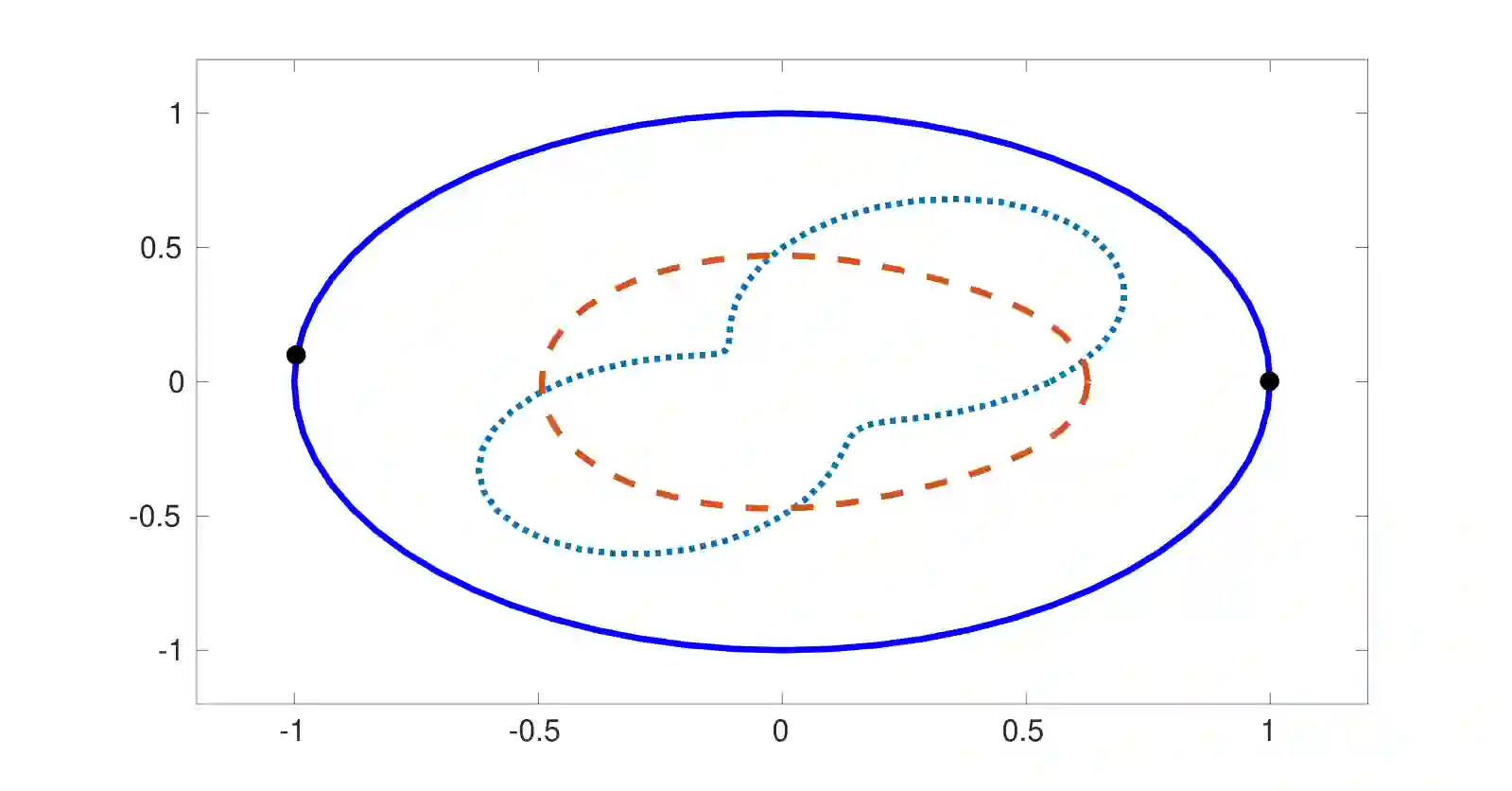
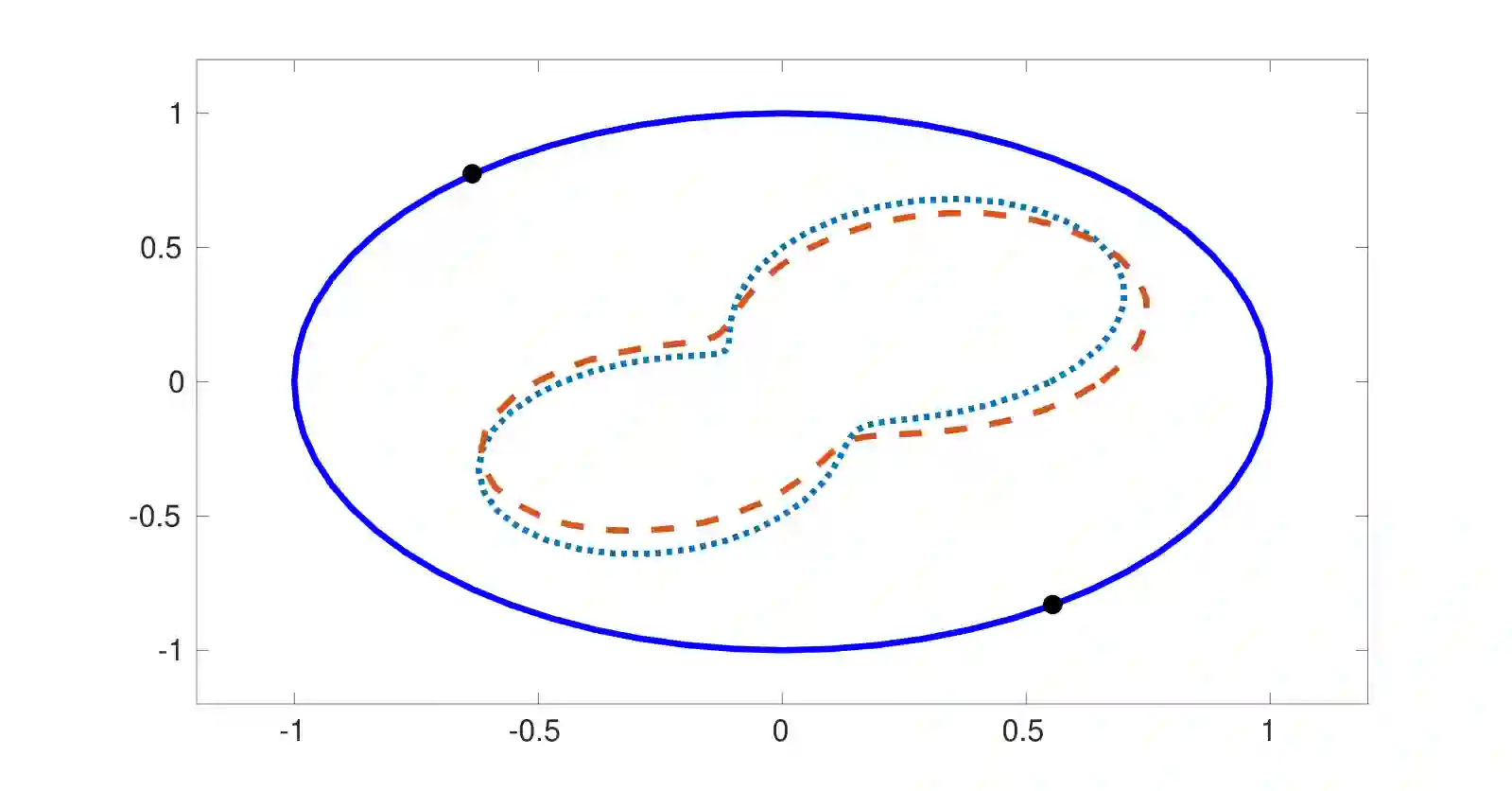
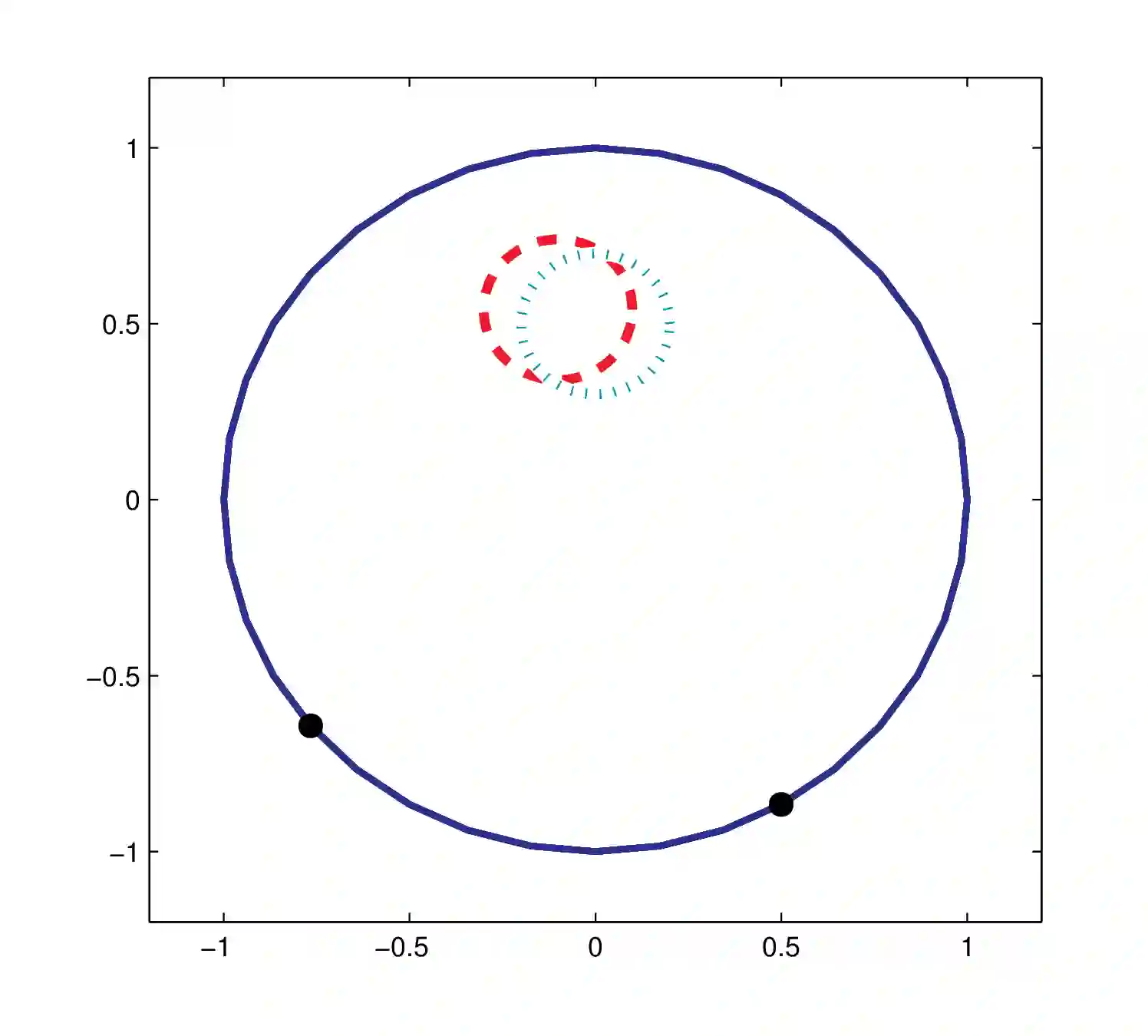
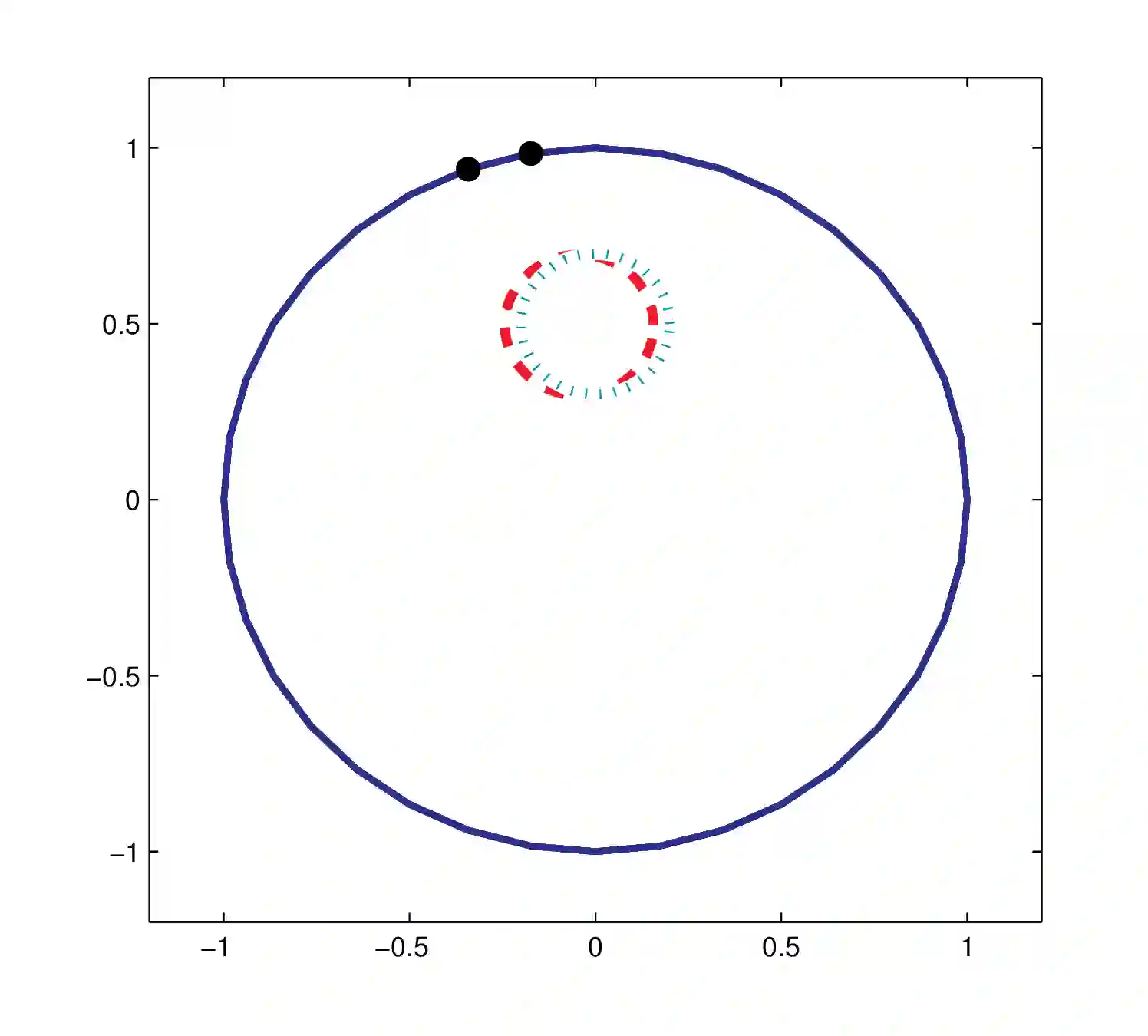
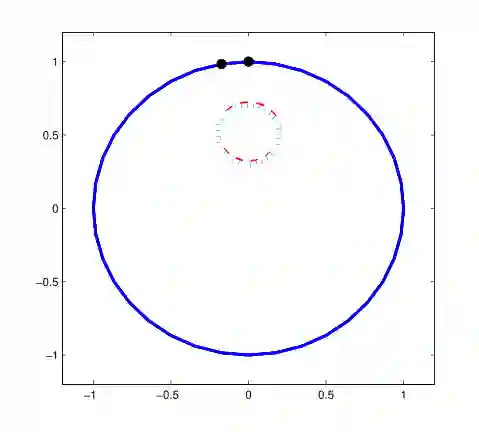
This study focuses on addressing the inverse source problem associated with the parabolic equation. We rely on sparse boundary flux data as our measurements, which are acquired from a restricted section of the boundary. While it has been established that utilizing sparse boundary flux data can enable source recovery, the presence of a limited number of observation sensors poses a challenge for accurately tracing the inverse quantity of interest. To overcome this limitation, we introduce a sampling algorithm grounded in Langevin dynamics that incorporates dynamic sensors to capture the flux information. Furthermore, we propose and discuss two distinct sensor migration strategies. Remarkably, our findings demonstrate that even with only two observation sensors at our disposal, it remains feasible to successfully reconstruct the high-dimensional unknown parameters.
翻译:本研究聚焦于解决抛物型方程相关的逆源问题。我们采用从边界受限区域获取的稀疏边界通量数据作为观测值。尽管已有研究表明利用稀疏边界通量数据可实现源项恢复,但有限的观测传感器数量对精确追踪逆问题目标量构成了挑战。为突破这一局限,我们引入一种基于朗之万动力学的采样算法,该算法整合动态传感器以捕获通量信息。此外,我们提出并讨论了两种不同的传感器迁移策略。值得关注的是,研究结果表明即便仅使用两个观测传感器,仍能成功重建高维未知参数。




相关内容



 微信扫码咨询专知VIP会员