

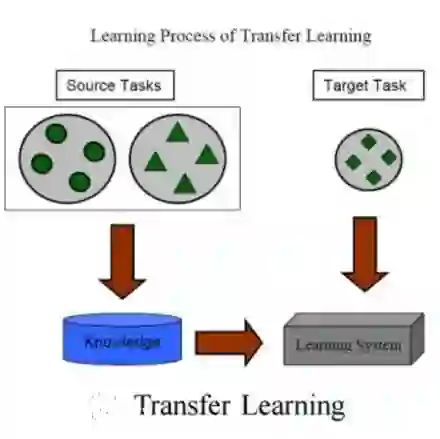
Olfaction, often overlooked in cultural heritage studies, holds profound significance in shaping human experiences and identities. Examining historical depictions of olfactory scenes can offer valuable insights into the role of smells in history. We show that a transfer-learning approach using weakly labeled training data can remarkably improve the classification of fragrant spaces and, more generally, artistic scene depictions. We fine-tune Places365-pre-trained models by querying two cultural heritage data sources and using the search terms as supervision signal. The models are evaluated on two manually corrected test splits. This work lays a foundation for further exploration of fragrant spaces recognition and artistic scene classification. All images and labels are released as the ArtPlaces dataset at https://zenodo.org/doi/10.5281/zenodo.11584328.
翻译:嗅觉在文化遗产研究中常被忽视,却对塑造人类体验与身份认同具有深远意义。考察历史文献中对嗅觉场景的描绘,可为理解气味在历史中的作用提供宝贵见解。我们证明,利用弱标注训练数据进行迁移学习的方法能显著提升芳香空间乃至更广义艺术场景描绘的分类性能。通过检索两个文化遗产数据源并将搜索词作为监督信号,我们对预训练的Places365模型进行微调。模型在两个经人工校正的测试集上接受评估。本研究为进一步探索芳香空间识别与艺术场景分类奠定了基础。所有图像与标注已作为ArtPlaces数据集发布于https://zenodo.org/doi/10.5281/zenodo.11584328。




相关内容




 微信扫码咨询专知VIP会员