

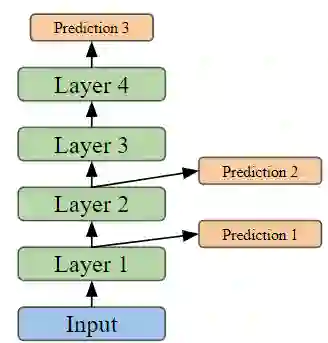
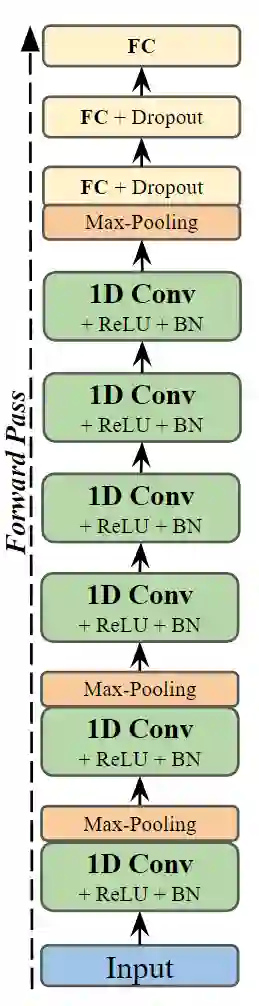
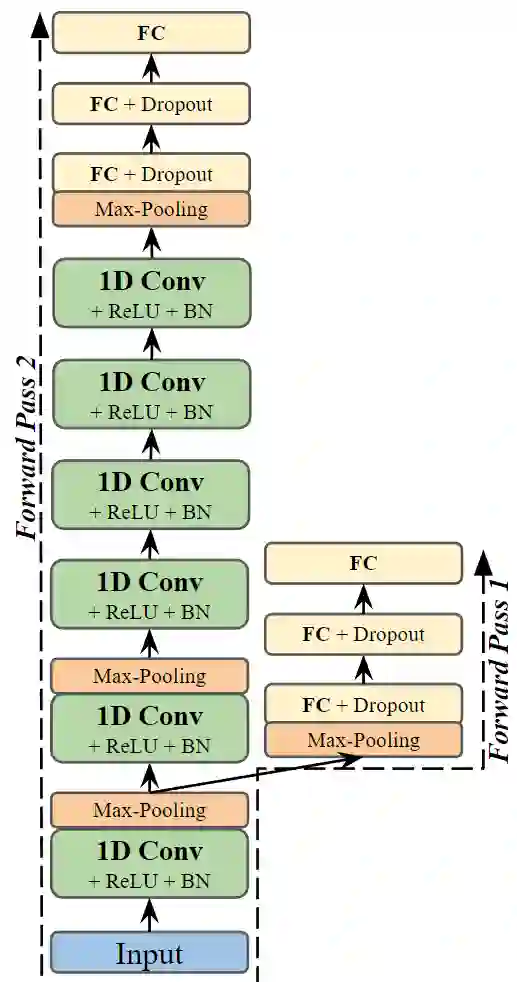
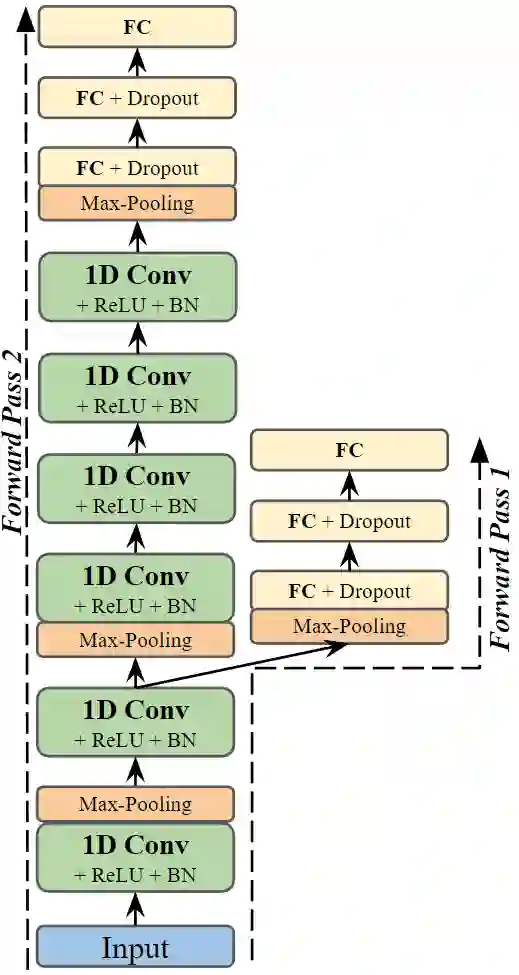
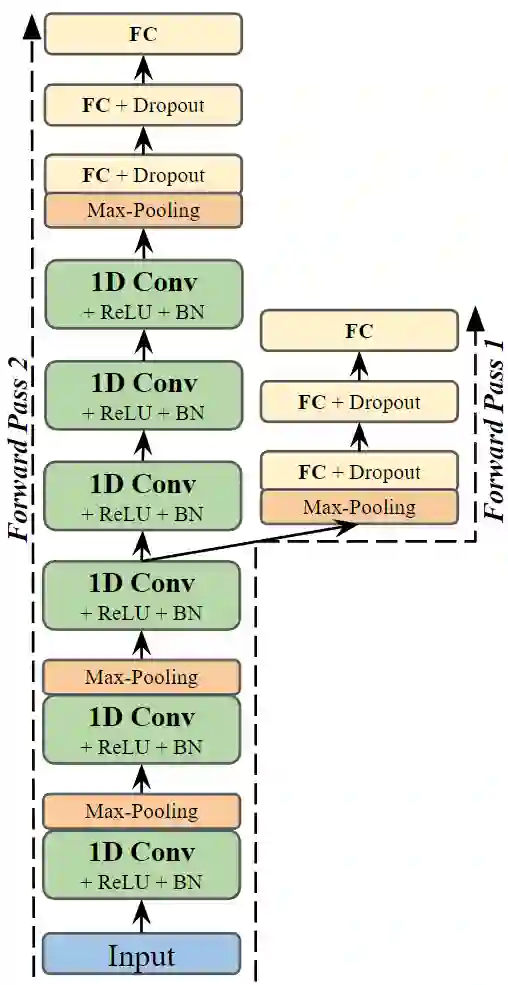
Automatic modulation classification (AMC) plays a critical role in wireless communications by autonomously classifying signals transmitted over the radio spectrum. Deep learning (DL) techniques are increasingly being used for AMC due to their ability to extract complex wireless signal features. However, DL models are computationally intensive and incur high inference latencies. This paper proposes the application of early exiting (EE) techniques for DL models used for AMC to accelerate inference. We present and analyze four early exiting architectures and a customized multi-branch training algorithm for this problem. Through extensive experimentation, we show that signals with moderate to high signal-to-noise ratios (SNRs) are easier to classify, do not require deep architectures, and can therefore leverage the proposed EE architectures. Our experimental results demonstrate that EE techniques can significantly reduce the inference speed of deep neural networks without sacrificing classification accuracy. We also thoroughly study the trade-off between classification accuracy and inference time when using these architectures. To the best of our knowledge, this work represents the first attempt to apply early exiting methods to AMC, providing a foundation for future research in this area.
翻译:自动调制分类(AMC)在无线通信中通过自主识别无线电频谱传输信号,发挥着关键作用。深度学习(DL)技术因其提取复杂无线信号特征的能力,正日益广泛应用于AMC领域。然而,深度学习模型计算复杂度高,推理延迟较大。本文提出将早退(EE)技术应用于AMC的深度学习模型,以实现推理加速。我们针对该问题提出了四种早退架构及一种定制的多分支训练算法并进行分析。大量实验表明,中高信噪比(SNR)信号更易分类,无需深层架构,因此可有效利用所提早退架构。实验结果显示,早退技术能在不牺牲分类准确率的前提下显著降低深度神经网络的推理速度。我们还深入研究了使用这些架构时分类准确率与推理时间之间的权衡关系。据我们所知,本研究首次将早退方法应用于AMC领域,为该方向的后续研究奠定了基础。




相关内容





 微信扫码咨询专知VIP会员