

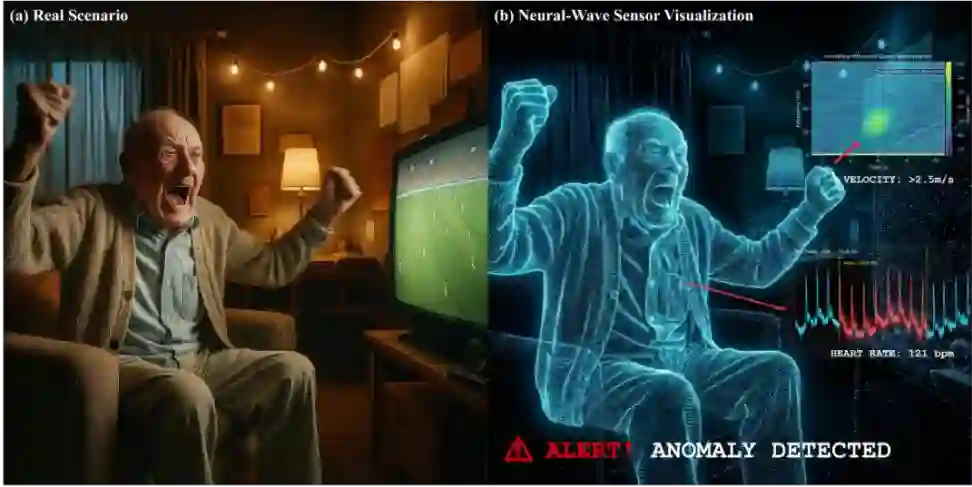
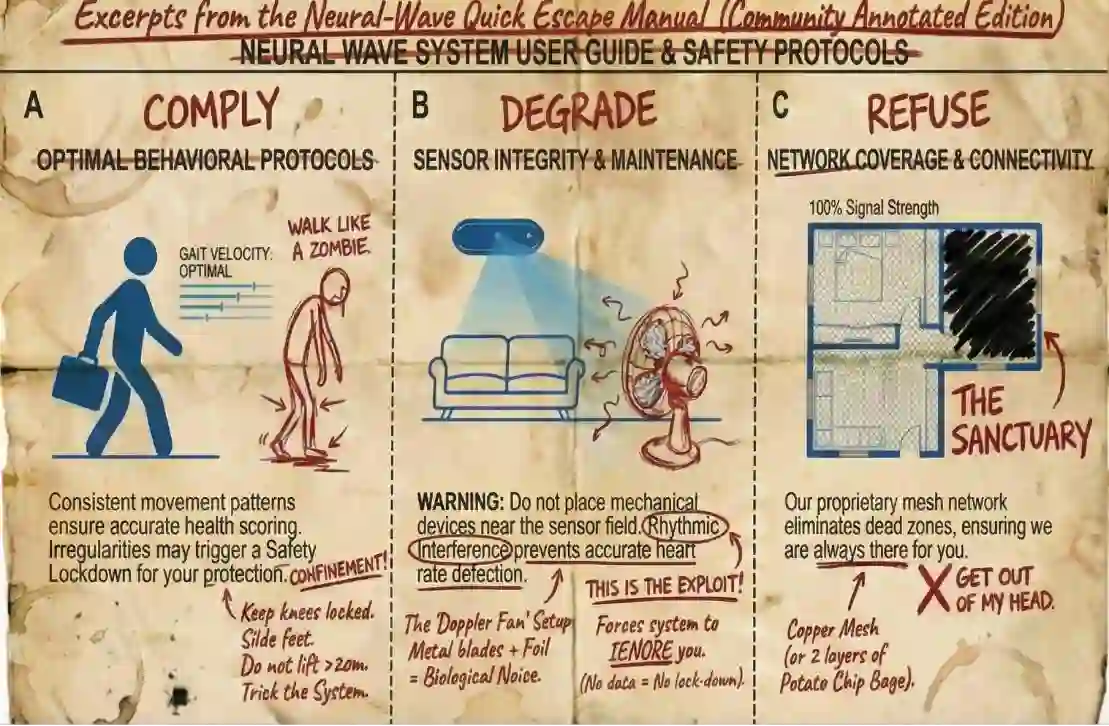
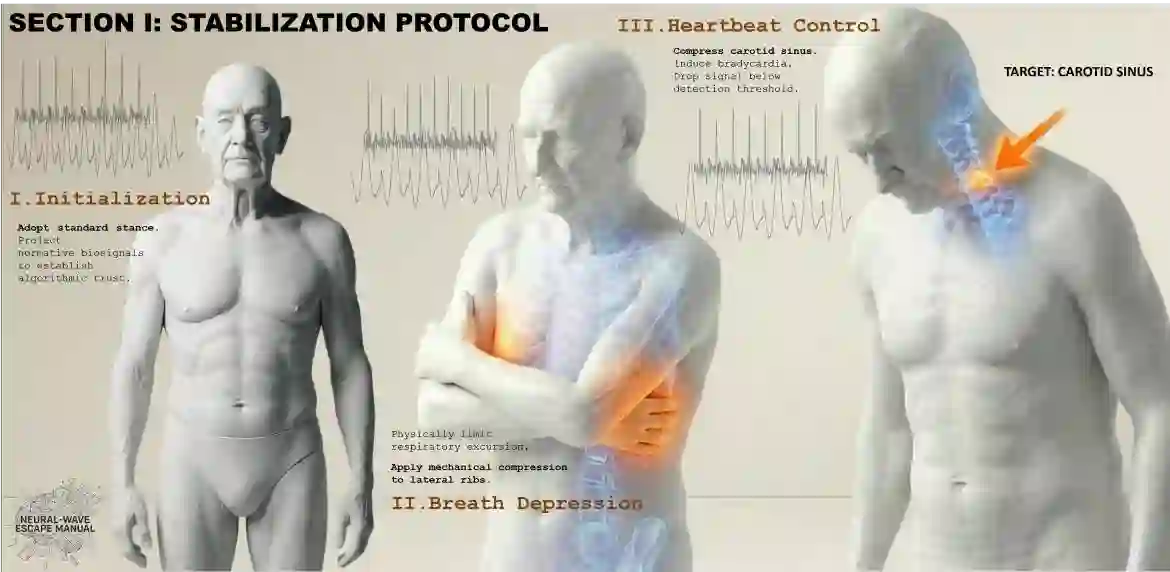
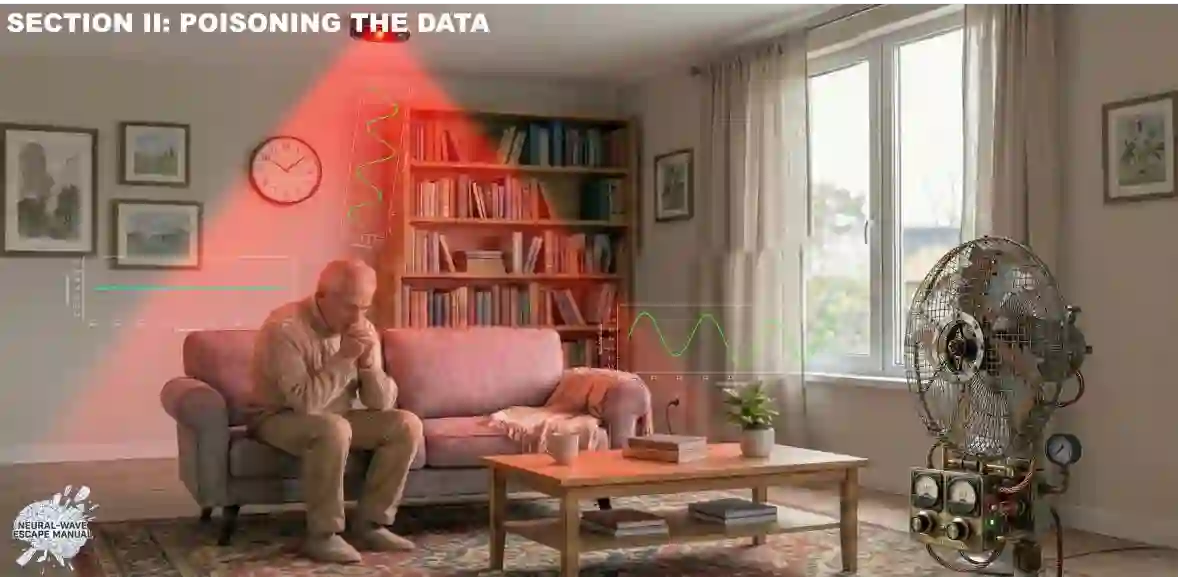
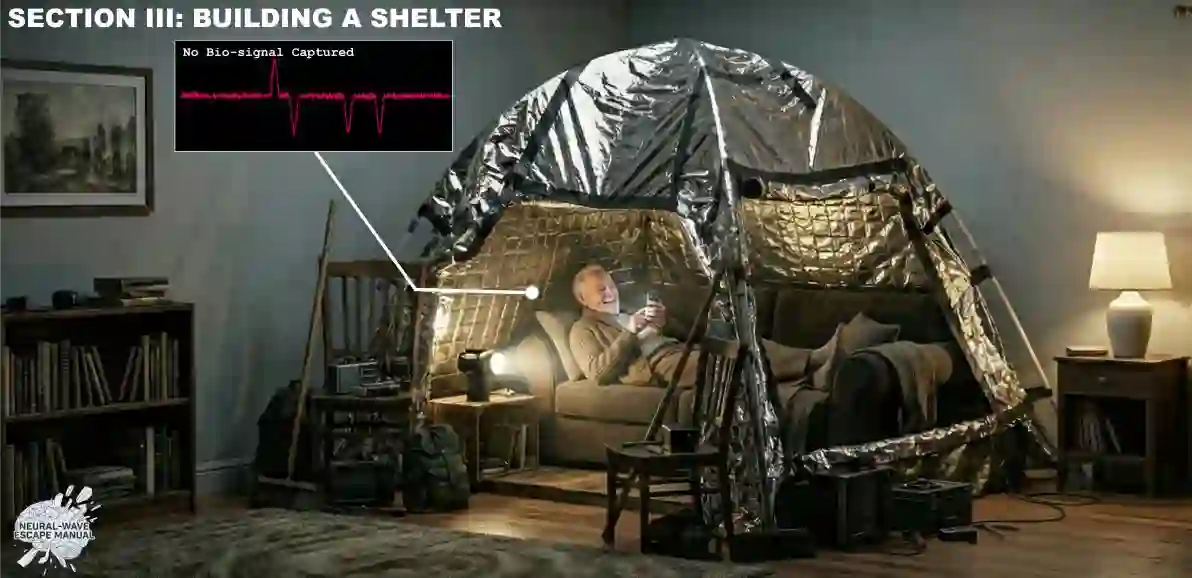
As the aging population faces a chronic care deficit, domestic care is increasingly recast as spectral governance. This paper presents a design fiction set in 2036, where the home is governed by Neural-Wave, a camera-free mmWave sensing platform that infers well-being from involuntary micro-motions. Through a set of scenarios, we illustrate how such empathic systems displace autonomy, forcing residents to perform legibility to regain basic freedoms. Our primary contribution is a diegetic artifact: The Neural-Wave Quick Escape Manual. Styled as an illicit guide for the elderly, it details adversarial tactics: structured around protocols to Comply, Degrade, and Refuse, that exploit signal processing vulnerabilities to reclaim domestic privacy. Through this artifact, we argue that in the era of empathic AIoT, privacy requires more than policy opt-outs; it demands adversarial literacy:the capacity to meaningfully obfuscate one's own data traces against an infrastructural jailer that calls itself care.
翻译:随着老龄化人口面临长期照护短缺,家庭照护正日益被重塑为光谱治理。本文提出一个设定于2036年的设计虚构作品,其中家庭由Neural-Wave这一无摄像头毫米波传感平台所治理,该平台通过非自主微动作推断个体福祉。通过一系列情境,我们阐释此类共情系统如何消解自主性,迫使居民通过“可读性表演”以重获基本自由。我们的核心贡献是一个叙事性人造物:《神经波快速逃脱手册》。该手册以面向老年人的非法指南形式呈现,详细阐述了对抗性策略:围绕“顺从、降质、拒绝”三大协议构建,通过利用信号处理漏洞以重获家庭隐私。通过此人造物,我们认为在共情AIoT时代,隐私保护不仅需要政策退出机制,更需对抗性素养:即针对自称照护的基础设施性监管者,具备有意义地混淆自身数据踪迹的能力。




相关内容

 微信扫码咨询专知VIP会员